



What's Happening?
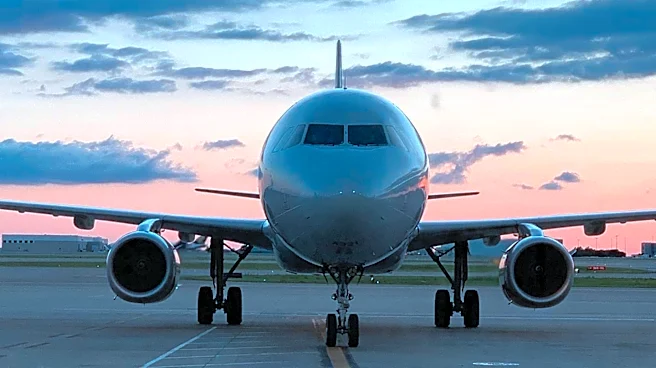
Lufthansa Cargo is actively searching for new operators for its fleet of four Airbus A321 freighters, which have been grounded since mid-April. The grounding occurred after the closure of Lufthansa City Line, the previous operator of these aircraft. The freighters have since been moved
out of Frankfurt, where they were initially parked, and their Lufthansa Cargo branding has been removed. The cargo business is currently in discussions with several potential operators to find a sustainable solution for the future operation of these aircraft. Lufthansa Cargo's own flight operations primarily utilize widebody Boeing 777 freighter aircraft, making the A321 fleet a distinct operational segment. The decision to ground the CityLine fleet was influenced by increased kerosene prices and rising burdens from labor disputes, among other pressures.
Why It's Important?
The grounding and subsequent search for new operators for Lufthansa Cargo's A321 freighter fleet have implications for the broader air cargo market, including potential indirect effects on U.S. supply chains. While these A321s primarily served intra-European and Europe-North Africa routes, their absence from the market contributes to overall capacity fluctuations. Any prolonged grounding or inefficient redeployment of these aircraft could tighten regional air freight capacity, potentially leading to increased demand and higher costs for other carriers, some of whom may connect with U.S. routes. For U.S. businesses relying on efficient transatlantic or global logistics, disruptions in European feeder networks can cause delays and affect the timely delivery of goods. The situation also highlights the economic sensitivities of the air cargo industry, where factors like fuel prices and labor disputes can quickly impact operational decisions and fleet management, influencing global freight rates and service availability.
What's Next?
Lufthansa Cargo is intensively evaluating available options and is in discussions with several potential operators to identify a sustainable solution for its A321 freighter fleet. The aircraft have been moved to locations like Budapest and Sofia, and their neutral exterior appearance suggests preparation for a new operational phase. The duration of the flight operations suspension is not yet finalized. It is likely that Lufthansa Cargo will aim to secure a new wet lease agreement with an external operator, as previous updates indicated that the operator would likely be outside the Lufthansa Group. The outcome of these negotiations will determine when and how these 28-ton capacity freighters re-enter service, impacting intra-European and Europe-North Africa air cargo capacity. The company's decision will also reflect its strategy for managing regional cargo demand amidst fluctuating operational costs and market conditions.
Beyond the Headlines
The grounding of Lufthansa Cargo's A321 fleet and the subsequent search for new operators reveal the intricate economic and operational challenges facing the air cargo industry. Beyond the immediate financial pressures of fuel costs and labor disputes, this situation underscores the strategic importance of fleet diversification and flexible operational models. The A321 freighters, designed for regional routes, represent a segment of the market that requires specialized handling and cost structures different from long-haul widebody operations. The struggle to find a suitable operator highlights the complexities of wet lease agreements and the competitive landscape for regional cargo services. This event could prompt other airlines and logistics providers to re-evaluate their own regional fleet strategies and operational partnerships, potentially leading to consolidation or new business models in the intra-continental air freight sector. It also subtly points to the broader economic health of the aviation industry, where even major players like Lufthansa must constantly adapt to maintain profitability and service levels.