




What's Happening?
Acorn Product Development is actively seeking an industrial designer to join its East Coast product development team. This full-time contract position is initially set for six months, with potential for extension based on business needs and performance.
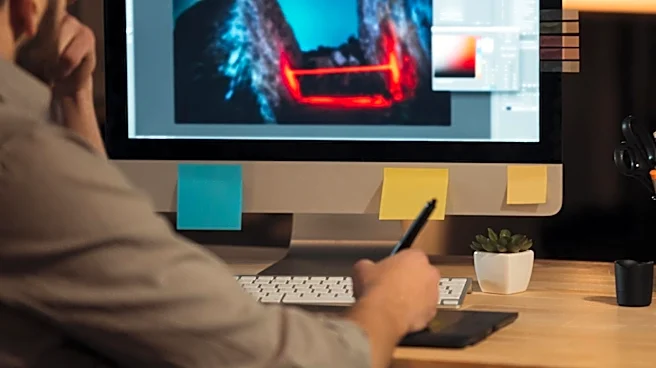
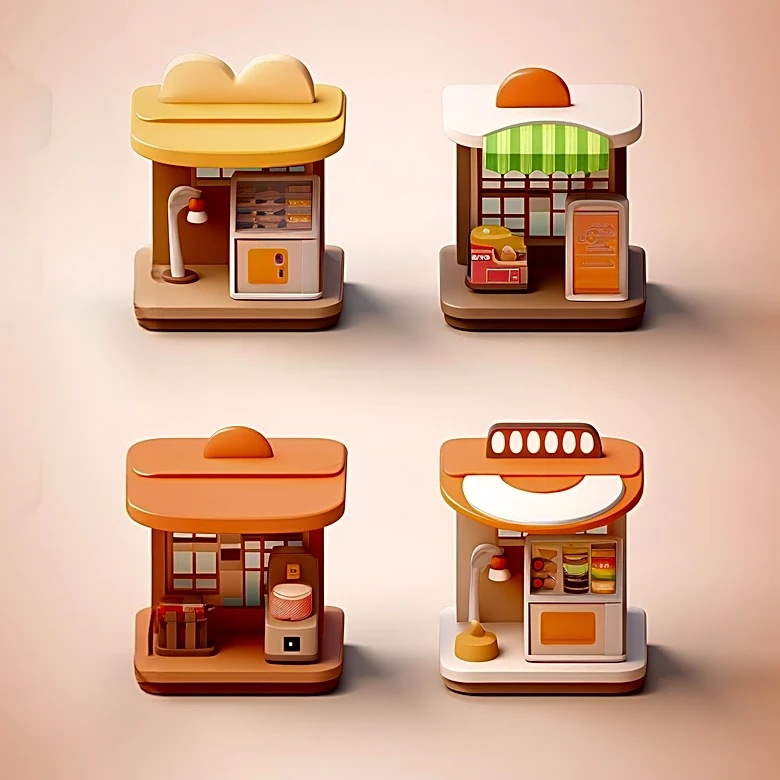
The role demands strong technical design capabilities, a solid understanding of manufacturing techniques and limitations, and excellent communication skills. The selected designer will collaborate closely with the engineering team to deliver projects, communicate with clients, and contribute to the creation of new products. Key responsibilities include generating and refining design concepts through sketching and ideation, developing 3D CAD models and renderings, and building and evaluating prototypes. Candidates are expected to have 1-3 years of industrial design experience, including co-op work, and a portfolio showcasing their design process, CAD, and rendering skills. Proficiency in 3D CAD software like SolidWorks and Adobe Creative Cloud applications such as Photoshop and Illustrator is also required. Familiarity with CMF (color, material, and finish) development, human factors, ergonomics, and user-centered design methods is essential.
Why It's Important?
The demand for industrial designers, as evidenced by Acorn Product Development's hiring initiative, underscores the ongoing importance of innovative product development and user-centered solutions in the U.S. market. Companies across various sectors are increasingly recognizing that well-designed products are crucial for competitive advantage, customer satisfaction, and market growth. Industrial designers play a pivotal role in bridging the gap between conceptual ideas and manufacturable products, ensuring that aesthetics, usability, cost-effectiveness, and technical requirements are all met. This focus on design excellence can lead to more efficient manufacturing processes, reduced material waste, and products that better meet consumer needs, ultimately benefiting both businesses and end-users. The emphasis on collaboration with engineering, product management, and marketing teams highlights a holistic approach to product development, which is vital for bringing successful innovations to market and sustaining economic growth in design-intensive industries.
What's Next?
The recruitment process for this industrial designer position will likely involve reviewing portfolios and conducting interviews to assess candidates' technical skills, creative problem-solving abilities, and collaborative potential. Successful candidates will then integrate into Acorn Product Development's East Coast team, contributing to ongoing and new product development projects. The initial six-month contract period will serve as an evaluation phase, with the possibility of extension based on individual performance and the company's evolving project pipeline. This continuous demand for skilled industrial designers suggests that companies will continue to invest in design talent to drive innovation and maintain a competitive edge. Future trends may include an increased focus on sustainable design practices and the integration of advanced technologies like AI and virtual reality into the design process, further shaping the role of industrial designers.
Beyond the Headlines
Beyond the immediate hiring, this job opening reflects a broader industry trend towards specialized design expertise within product development firms. The requirement for proficiency in specific software like SolidWorks and Adobe Creative Cloud, alongside an understanding of manufacturing processes, indicates a need for designers who are not only creative but also technically adept and practical. This blend of artistic vision and engineering knowledge is crucial for navigating the complexities of modern product creation. The emphasis on user-centered design and human factors also points to a growing recognition that successful products must be intuitive and meet the real-world needs of consumers. This holistic approach to design, integrating various disciplines, is becoming a standard in the industry, highlighting the evolving and increasingly interdisciplinary nature of industrial design as a profession.