

What's Happening?
The fashion industry is experiencing a significant shift with the rise of independent designer models. These models operate outside traditional modeling agencies, offering them greater autonomy and involvement in the creative process. This trend is fueled
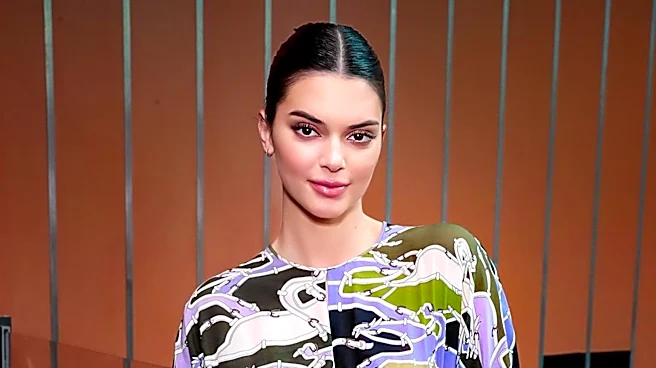
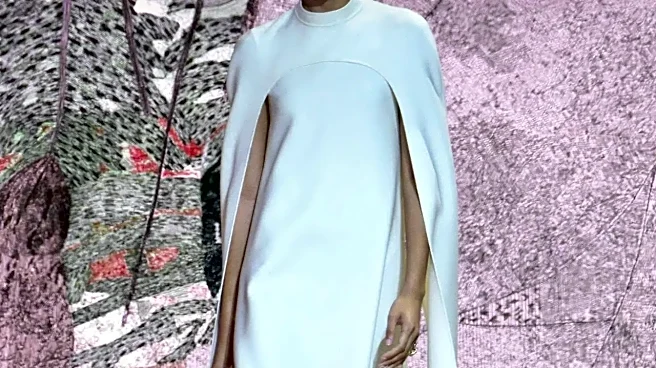
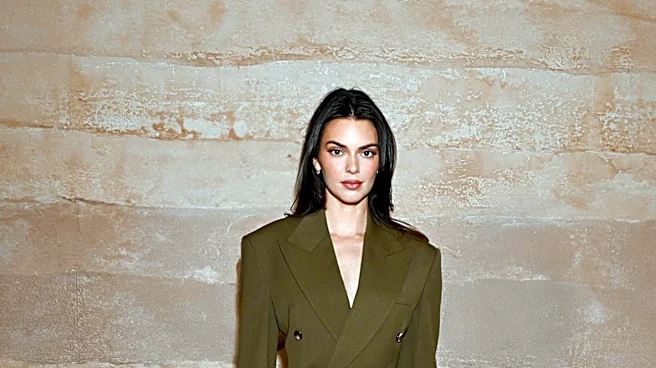
by increased access to digital platforms, allowing independent designers to showcase their work without conventional limitations. Independent designer models often form genuine relationships with designers, becoming co-creators who influence the aesthetic and functional aspects of fashion items. They are crucial in representing niche markets and diverse communities, fostering a deeper connection between designers and their target audiences. This model allows for more personalized projects and distinctive runway shows or lookbooks that truly reflect a designer's unique vision. Their active presence on social media platforms also enables them to act as brand ambassadors, engaging with audiences and generating interest in collections beyond traditional marketing channels.
Why It's Important?
The emergence of independent designer models is important because it democratizes the fashion industry, moving away from the centralized control of major modeling agencies and mainstream markets. This shift empowers both models and designers, granting models more creative control and designers the ability to cater to specific, often underserved, demographics. For the U.S. fashion industry, this means a potential increase in diversity and innovation, as designers are no longer constrained by traditional industry standards. It also fosters a more collaborative environment, where models contribute significantly to the design process, leading to more authentic and unique fashion narratives. This trend can also impact economic stakeholders by creating new opportunities for freelance models and independent fashion brands, potentially shifting market share and influencing consumer preferences towards more personalized and ethically produced fashion. The emphasis on social media presence also highlights the evolving landscape of marketing and brand building within the industry.
What's Next?
Looking ahead, the role of independent designer models is expected to continue evolving, particularly with the growing emphasis on sustainable fashion and technological integration. As eco-friendly practices become more vital, independent designer models will likely collaborate with brands focused on sustainability, creating opportunities for models who advocate for ethical fashion. The rise of virtual fashion shows and digital modeling, including the metaverse, presents new avenues for independent designers and models to represent collections. This technological shift could further expand the reach and influence of independent models, allowing them to engage with audiences in innovative ways. Aspiring independent designer models will need to build diverse portfolios, actively network at fashion events, and leverage social media to establish strong personal brands to attract collaborations with independent labels. The industry will likely see continued growth in flexible representation models, allowing models to work with multiple designers simultaneously without the restrictions of a single agency.
Beyond the Headlines
Beyond the immediate impact on fashion trends and business models, the rise of independent designer models signifies a broader cultural shift towards authenticity, individuality, and ethical consumption. This movement challenges the traditional, often exclusive, norms of the fashion industry, promoting inclusivity and diverse representation. Ethically, it empowers models by giving them more agency and control over their careers, moving away from potentially exploitative practices sometimes associated with traditional agencies. Legally, it may necessitate new contractual frameworks to define the collaborative relationships between independent models and designers, especially concerning intellectual property and brand ambassadorship. Culturally, it reflects a growing consumer demand for unique, personalized products and a desire to support smaller, independent creators. This trend could lead to a more fragmented yet vibrant fashion landscape, where niche markets thrive and the definition of 'fashionable' becomes more diverse and inclusive.