






What's Happening?
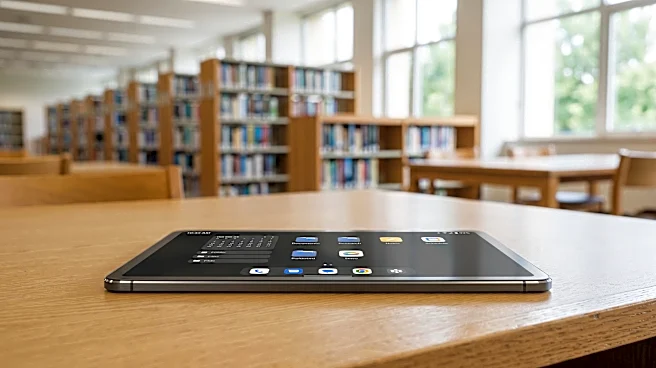
Logic has introduced the Neo X1 Pro, an Android tablet designed for students, teachers, and institutional users. This launch signifies Logic's expansion beyond interactive displays and enterprise solutions, as reported by Gadget360 and Notebookcheck.
The tablet features a 10.95-inch WUXGA IPS display with a 1920 x 1200 pixel resolution and a 90Hz refresh rate. The screen is equipped with low blue-light treatment, an anti-glare finish, anti-fingerprint coating, and an antimicrobial coating. Powering the device is an octa-core processor, paired with 8GB of RAM and 128GB of internal storage, expandable up to 1TB via a microSD card. Logic has not disclosed the specific processor details. The Neo X1 Pro runs Android 17 and supports Google Mobile Services (GMS). It includes a 13MP rear camera, an 8MP front camera, dual speakers, and connectivity options such as 4G LTE, dual-band Wi-Fi 6, Bluetooth 5.3, and GPS. The tablet is powered by an 8,000mAh battery with 18W USB Type-C charging support.
Why It's Important?
The introduction of the Neo X1 Pro by Logic marks a strategic move into the competitive Android tablet market, specifically targeting the education and institutional sectors. This expansion could provide a new, dedicated option for schools and organizations seeking robust and feature-rich devices for learning and operational purposes. The tablet's specifications, including its large, high-refresh-rate display with protective coatings, 4G LTE connectivity, and Android 17 with GMS support, are tailored to meet the demands of modern educational environments. The inclusion of a protective case with a kickstand and a magnetic mini-mirror for note-taking during online lessons highlights a thoughtful design approach for its target audience. This could potentially increase digital accessibility and enhance remote learning capabilities within institutions, offering a specialized alternative to general-purpose consumer tablets. The availability of an active stylus and USB docking keyboard as separate accessories further positions the Neo X1 Pro as a comprehensive solution for productivity and learning.
What's Next?
Logic has not yet announced the price or official sale date for the Neo X1 Pro in India, nor have details regarding its retail availability been released. The company's next steps will likely involve finalizing pricing strategies and distribution channels to bring the tablet to its target educational and institutional markets. Potential reactions from competitors in the education technology sector could include the development of similar specialized devices or adjustments to their existing product offerings to counter Logic's entry. Educational institutions and government bodies responsible for technology procurement will be evaluating the Neo X1 Pro's cost-effectiveness and suitability for large-scale deployment once pricing information becomes available. The success of this launch will depend on Logic's ability to effectively market the tablet's specialized features and competitive pricing to its intended audience, potentially influencing future product development in the educational tablet segment.
Beyond the Headlines
The Neo X1 Pro's focus on the education and institutional sectors underscores a growing trend towards specialized hardware solutions for specific user groups, moving beyond the one-size-fits-all approach of general consumer electronics. The inclusion of features like low blue-light treatment, anti-glare, anti-fingerprint, and antimicrobial coatings reflects an understanding of the practical demands and health considerations within educational settings, where devices are frequently used and shared. The magnetic mini-mirror for capturing handwritten notes during online lessons is an innovative, albeit niche, feature that highlights a deeper consideration for the hybrid learning environment. This strategic targeting could lead to a more fragmented but ultimately more effective tablet market, where devices are optimized for specific use cases rather than broad appeal. It also raises questions about the long-term sustainability of such specialized devices and their potential to influence broader design trends in the tablet industry, particularly concerning durability, hygiene, and integrated learning tools.