






What's Happening?
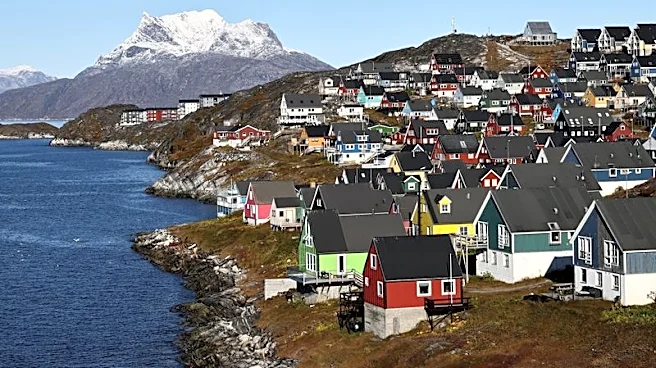
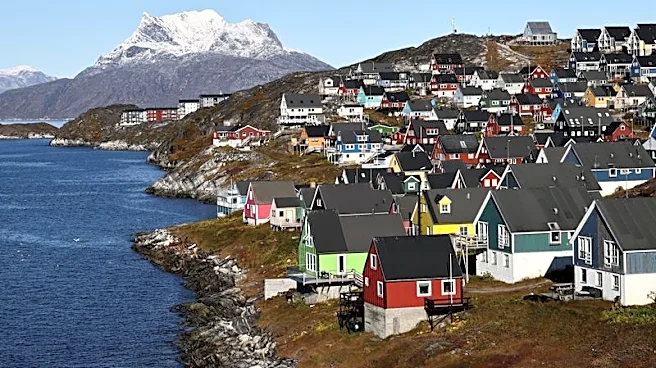
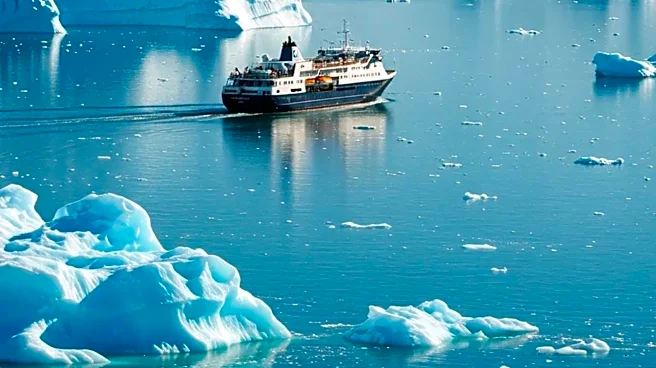
Planning an Arctic cruise to Greenland requires specific considerations, as highlighted by Chimu Adventures. Due to Greenland's remote villages, vast size, and lack of roads, expedition cruises are the recommended mode of travel. Many Greenland cruises necessitate
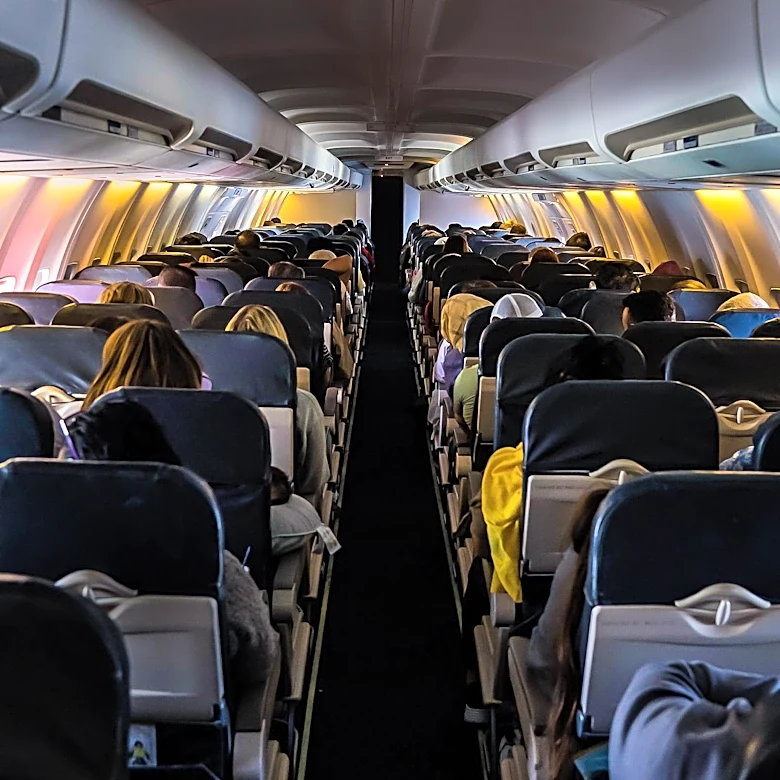
a mandatory charter flight from a European city, typically Copenhagen, directly to Greenland to ensure all passengers arrive and depart together, especially given the infrequent commercial air service to some remote towns. The flight from Copenhagen to Greenland is approximately four hours and includes modern amenities. Travelers should be aware of the three-hour time difference between Greenland and Central European Time, which can lead to initial fatigue. Packing in layers is crucial for Greenland's chilly weather, even in summer, with waterproof trousers being essential for wet landings from Zodiac boats. Other recommended items include binoculars for wildlife viewing and a mosquito head net for peak summer months. Pre-booking optional excursions like Polar kayaking or scenic flights over the Ilulissat Icefjord is advised due to limited availability. Visitors should also consider bringing Danish kroner for purchases in smaller villages to support local communities.
Why It's Important?
Understanding these planning tips is crucial for U.S. travelers considering an expedition to Greenland, as it directly impacts their travel experience, safety, and preparedness. The mandatory charter flights streamline logistics but require travelers to adhere to specific schedules, which can affect overall trip planning and flexibility. The emphasis on layered clothing and waterproof gear underscores the unique environmental challenges of Arctic travel, ensuring comfort and safety during excursions. Awareness of the time difference helps travelers manage potential jet lag, optimizing their enjoyment of the initial days of the cruise. Furthermore, advice on local currency and supporting local economies highlights the cultural immersion aspect of these trips, encouraging responsible tourism and providing direct economic benefits to Greenlandic communities. For U.S. travelers, these details ensure a smoother, more enjoyable, and culturally sensitive Arctic adventure, mitigating potential issues related to logistics, weather, and local interactions.
What's Next?
Prospective travelers planning a Greenland cruise should prioritize consulting with their cruise line or a destination specialist to understand the specific charter flight arrangements, packing requirements, and any pre-booking options for excursions. It is advisable to research the itinerary thoroughly to identify any optional activities that align with personal interests and secure reservations well in advance due to limited availability. Travelers should also consider arriving in Copenhagen a few days prior to their charter flight to adjust to the time zone and explore the city, which can enhance the overall travel experience. Preparing for the weather by acquiring appropriate layered clothing and essential gear like binoculars and insect repellent will be a key next step. Additionally, travelers should plan for local currency needs, especially for purchases in smaller, remote villages, to support local artisans and businesses. Staying informed about any specific customs regulations regarding animal products from Greenland is also important for re-entry into the U.S.
Beyond the Headlines
The detailed planning required for Greenland cruises reflects a broader trend in adventure tourism towards more remote and environmentally sensitive destinations. This type of travel often involves specialized logistics, such as charter flights and Zodiac landings, which differentiate it from conventional cruises. The emphasis on cultural sensitivity and supporting local economies highlights the evolving expectations of modern travelers who seek authentic experiences and wish to contribute positively to the communities they visit. The advice on packing for extreme weather conditions also underscores the inherent challenges and risks associated with Arctic exploration, promoting a greater appreciation for environmental preparedness and safety. Furthermore, the mention of potential wildlife sightings and the need for binoculars points to the growing interest in ecotourism and responsible wildlife observation, encouraging travelers to engage with nature respectfully. This comprehensive approach to planning signifies a shift towards more immersive, responsible, and well-prepared travel experiences in unique global destinations.