






What's Happening?
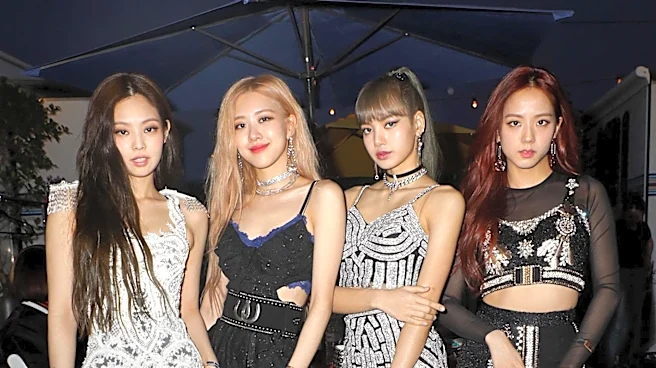
BLACKPINK member Jisoo has confirmed that her solo song 'Addicted' music video features a direct reference to Ada Wong from the 'Resident Evil' video game series. The music video, released over Halloween weekend, showcased Jisoo in various outfits, one
of which notably resembled Ada Wong's iconic look: a black bob haircut and a red bodycon-style dress. Fans quickly noticed the similarities and inquired about it on Jisoo's personal app. Jisoo responded, stating her deep affection for 'Biohazard' (the Japanese title for 'Resident Evil') and her intention to emulate the character's style. She had previously expressed her 'addiction' to the 'Resident Evil' games on 'Hot Ones' earlier this year, praising their fast-paced nature and ability to hold her attention.
Why It's Important?
This deliberate nod to a popular video game character by a global K-pop star like Jisoo highlights the increasing cross-pollination between different forms of entertainment media. For the U.S. market, where both K-pop and the 'Resident Evil' franchise have significant fanbases, this crossover can generate heightened interest and engagement from both communities. It demonstrates how artists are leveraging pop culture references to create deeper connections with their audience and add layers of meaning to their work. This trend can lead to more collaborative opportunities between the music and gaming industries, potentially influencing marketing strategies and content creation. It also showcases the global reach of Japanese video game culture and its impact on international artists.
What's Next?
The confirmed 'Resident Evil' reference in Jisoo's music video could inspire further integration of gaming culture into K-pop and other music genres. Fans might anticipate more Easter eggs or direct references to popular media in future music videos and performances. This could also lead to increased fan engagement through discussions and analyses of such references. For Jisoo, this revelation further solidifies her personal brand, showcasing her interests beyond music and allowing fans to connect with her on a more personal level. It might also open doors for potential partnerships with gaming companies or themed content related to her favorite franchises.
Beyond the Headlines
The integration of a video game character into a K-pop music video reflects a broader cultural phenomenon where fandoms are becoming increasingly interconnected and fluid. It blurs the lines between different entertainment industries, demonstrating that artists are not confined to a single medium for inspiration or expression. This trend also speaks to the growing influence of gaming as a mainstream cultural force, moving beyond its niche origins to impact global pop culture. Ethically, it raises questions about intellectual property and creative homage, though in this case, it appears to be a clear and acknowledged tribute. This kind of intertextuality enriches the fan experience and encourages a more interactive and referential cultural landscape.