







What's Happening?
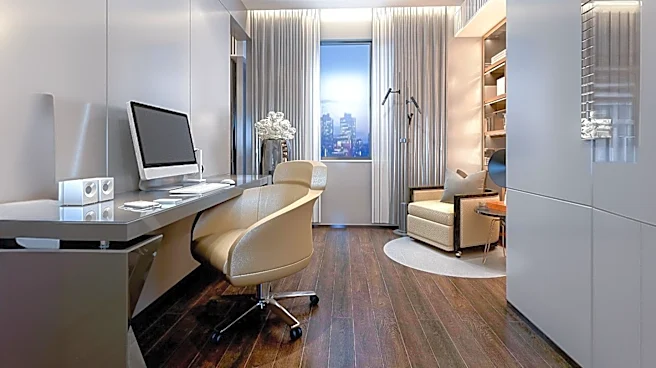
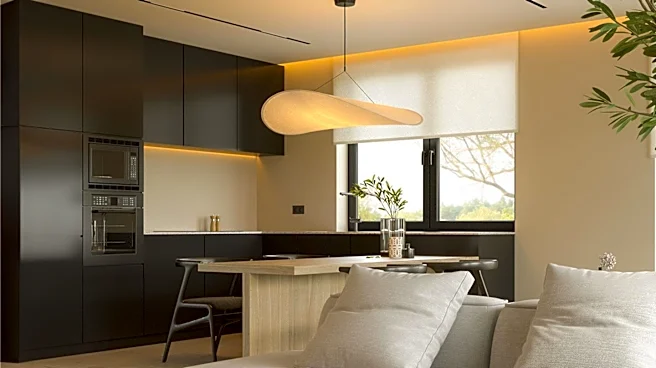
Multipurpose rooms are gaining traction as a strategic solution for optimizing space and reducing renovation costs in both commercial and residential settings. These adaptable spaces can transform to serve various functions, such as converting a training
room into a project room, or a lounge into a meeting area. Key design considerations for effective multipurpose rooms include movable furniture, proper acoustics, readily accessible power outlets, and professional video-call performance. For businesses, understanding attendance patterns and customer experience is crucial for designing spaces that accommodate hybrid work models. In residential contexts, multifunctional furniture like sleeper sofas, storage chaises, and Murphy beds are being utilized to create versatile living areas that can adapt to different needs, offering flexibility without requiring extensive renovations.
Why It's Important?
The adoption of multipurpose rooms is significant for U.S. businesses facing evolving work models, particularly the rise of hybrid work. By creating flexible spaces, companies can better manage fluctuating office attendance, optimize their real estate footprint, and potentially reduce long-term operational costs associated with fixed-use spaces. This approach allows businesses to maximize the value of their commercial properties, ensuring that spaces remain productive and welcoming for both employees and clients. For the residential sector, the trend towards multifunctional furniture and multipurpose rooms addresses the growing demand for efficient space utilization, especially in urban areas where living spaces may be smaller. This impacts the furniture and interior design industries, driving innovation in adaptable and space-saving solutions, and ultimately enhancing the quality of life for residents by providing more versatile home environments.
What's Next?
The trend towards multipurpose rooms is expected to continue influencing commercial real estate and residential design. Businesses will likely further invest in flexible office layouts, incorporating more movable partitions, adaptable furniture, and integrated technology to support diverse work activities and collaboration needs. This will drive demand for specialized interior design services and furniture manufacturers focusing on modular and convertible solutions. In the residential market, consumers can anticipate a wider array of multifunctional furniture options, including advanced sleeper sofas, integrated storage solutions, and more sophisticated Murphy bed designs that seamlessly blend into home aesthetics. The emphasis will remain on creating spaces that can easily transition between different uses, catering to evolving lifestyle demands and the need for efficient space management.
Beyond the Headlines
Beyond the immediate benefits of cost savings and space optimization, the widespread adoption of multipurpose rooms reflects a broader societal shift towards flexibility and efficiency. In the commercial sphere, it signifies a move away from rigid, traditional office structures towards dynamic environments that prioritize employee well-being and collaboration, acknowledging that work is no longer confined to a single format. This could foster more innovative work cultures and potentially impact employee satisfaction and retention. In residential living, the embrace of multifunctional spaces highlights a growing consciousness about sustainable living and mindful consumption, where quality and adaptability are valued over sheer size. This trend encourages a more thoughtful approach to interior design, promoting creativity in maximizing utility within existing footprints and potentially influencing urban planning towards more adaptable and integrated living spaces.