



What's Happening?
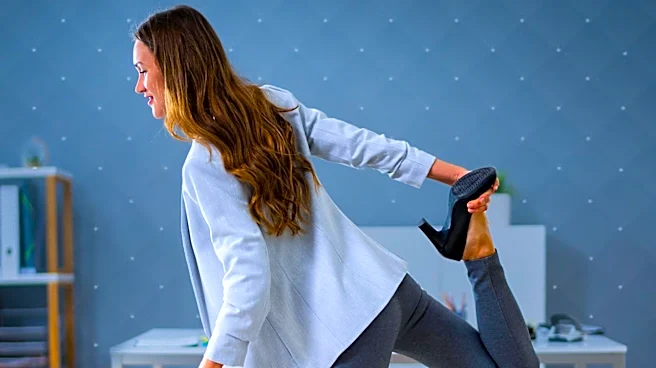
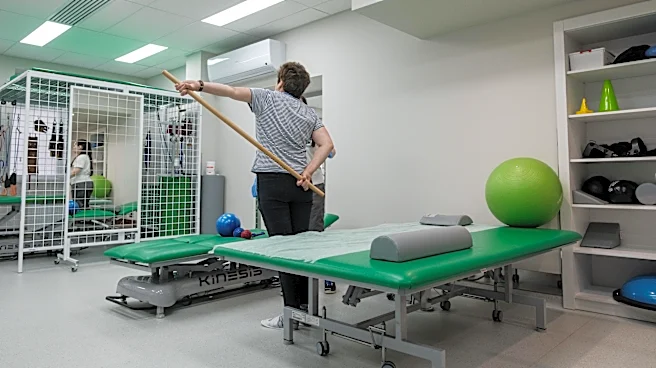
MAREK, a construction company, is advocating for mandatory 'Stretch & Flex' routines before work, after breaks, and throughout the day to enhance worker safety and reduce injuries. The company highlights that soft tissue damage is the leading cause of worker compensation
claims, impacting both employees and company profitability. These stretching and flexing exercises are designed to increase blood flow, improve flexibility, and prepare the body for physical tasks, especially crucial during colder conditions when muscles become tighter and less flexible. Consistent stretching is believed to reduce the risk of strains, sprains, and other soft tissue injuries, while also improving overall performance. Supervisors are directed to access the MAREK Stretch & Flex Program via the eCompliance App, ensuring that only MAREK-approved exercises are utilized.
Why It's Important?
This initiative by MAREK is significant for the U.S. construction industry, which faces high rates of workplace injuries, particularly musculoskeletal disorders. By implementing a structured stretching program, MAREK aims to create a safer work environment, directly addressing the primary cause of worker compensation claims. This can lead to substantial cost savings for companies through reduced insurance premiums and fewer lost workdays. For employees, it means a lower risk of injury, less pain, and improved long-term health, contributing to better job satisfaction and retention. The emphasis on warming up, especially in cold weather, is a critical preventative measure that can set a new standard for safety protocols across the industry. This proactive approach to worker well-being can also enhance a company's reputation and competitiveness by demonstrating a commitment to its workforce.
What's Next?
MAREK is expected to continue integrating and enforcing its Stretch & Flex program across all its work sites. Other construction companies and industries with physically demanding jobs may observe MAREK's success and consider implementing similar pre-work stretching routines. This could lead to a broader industry trend towards proactive injury prevention through physical conditioning. Further development of the eCompliance App might include tracking participation and injury rates to measure the program's effectiveness. Regulatory bodies and safety organizations might also review such initiatives to inform new guidelines or best practices for workplace safety. The long-term impact could be a significant reduction in occupational injuries and a cultural shift towards prioritizing physical readiness in physically demanding professions.
Beyond the Headlines
MAREK's Stretch & Flex program highlights a deeper ethical responsibility of employers to ensure the physical well-being of their workforce, moving beyond mere compliance with safety regulations. It underscores the economic benefits of investing in employee health, demonstrating that preventative measures can lead to significant financial returns. Culturally, this initiative challenges the traditional 'tough it out' mentality often prevalent in physically demanding sectors, promoting a more health-conscious and proactive approach to work. It also touches upon the legal implications of worker compensation, showing how preventative measures can mitigate legal and financial liabilities. The long-term societal impact could be a healthier, more productive workforce in industries prone to physical strain, fostering a culture where physical readiness is as valued as technical skill.