






What's Happening?
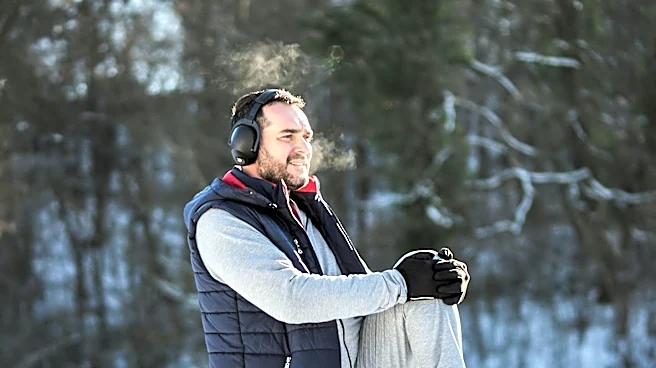
Thomas Faragher, a heart attack survivor who underwent quadruple bypass surgery, is actively participating in the Central Virginia Heart Walk to inspire others about recovery and life after a cardiac event. Faragher, who will be an award recipient at the event,
aims to demonstrate that recovery is possible and that individuals can regain purpose and connection. He emphasizes the importance of focusing on quality of life and proactive health measures. Faragher shared his personal regret of not seeking medical help sooner, despite knowing 'something was wrong' before his heart attack. He initially dismissed his symptoms, believing his physical fitness would prevent such an event. His message now centers on being proactive and starting recovery with small, manageable steps, advocating for gradual progress rather than immediate drastic changes.
Why It's Important?
Faragher's story is significant as it addresses the common denial and delayed medical attention many individuals experience when facing serious health symptoms, particularly heart-related issues. His experience highlights the critical need for individuals to listen to their bodies and seek professional medical advice promptly, regardless of perceived fitness levels. By openly discussing his regret, he aims to prevent others from making similar mistakes that can have life-threatening consequences. Furthermore, his active participation in the Heart Walk and his philosophy of 'living well' provide a powerful message of hope and resilience for those who view a heart attack as a 'death sentence.' His advocacy contributes to broader public health efforts by the American Heart Association, promoting awareness, early intervention, and sustained recovery for heart disease patients.
What's Next?
Faragher will be recognized at the Central Virginia Heart Walk, where he will continue to share his story and encourage participants. His ongoing involvement with the American Heart Association suggests a continued role in advocacy and community support for heart health. The American Heart Association will likely continue to leverage survivor stories like Faragher's to promote its mission of funding lifesaving research and educating the public on heart disease prevention and recovery. Future initiatives may include more emphasis on early symptom recognition and overcoming psychological barriers to seeking medical help. Faragher's message of starting small and building gradually will likely resonate with individuals overwhelmed by the prospect of lifestyle changes post-heart attack, potentially leading to more accessible and sustainable recovery programs.
Beyond the Headlines
Faragher's narrative delves into the psychological aspects of health crises, particularly the denial mechanism that can prevent individuals from acknowledging serious symptoms. His initial belief that his fitness level made him immune to a heart attack reflects a common misconception that can be dangerous. This highlights a broader societal challenge in health literacy and self-assessment. The concept of 'spiritual death' post-heart attack, as described by Faragher, points to the profound emotional and existential impact of such events, which often extends beyond physical recovery. His emphasis on finding purpose and connection post-recovery underscores the holistic nature of healing, involving mental and emotional well-being alongside physical rehabilitation. This perspective can help destigmatize heart disease and encourage a more comprehensive approach to patient care that addresses both the physical and psychological dimensions of recovery.