



What's Happening?
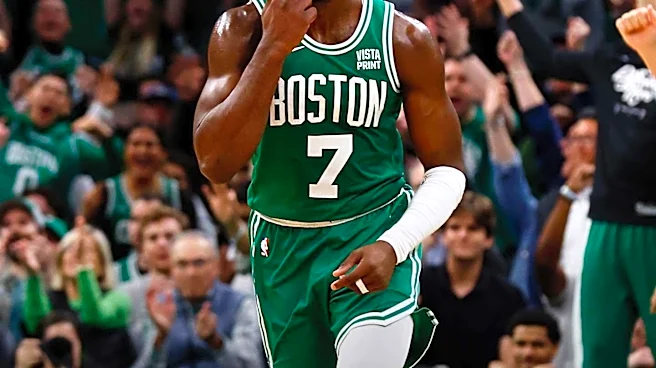
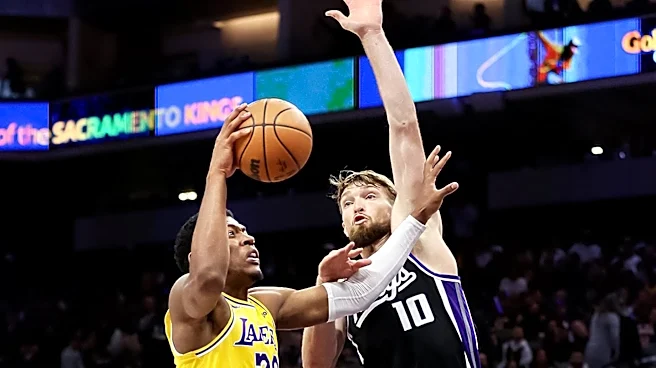
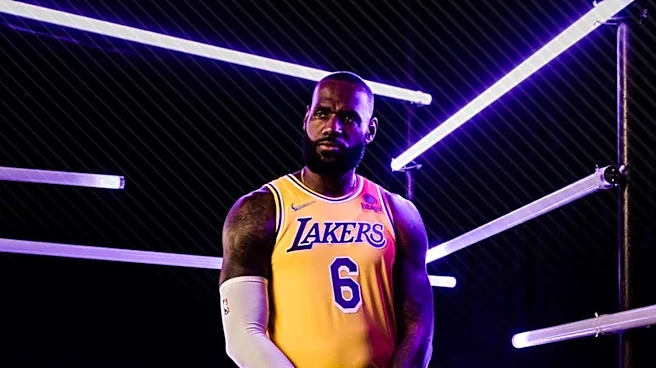
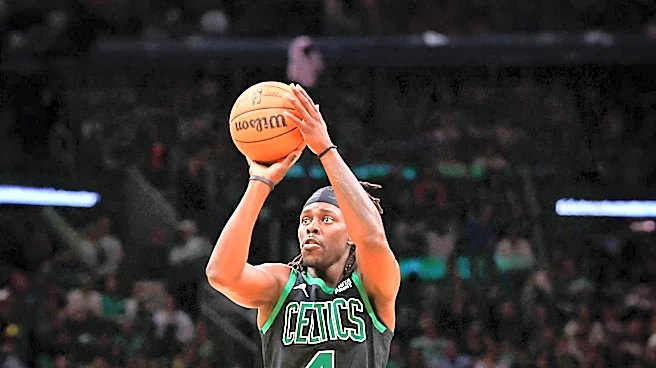
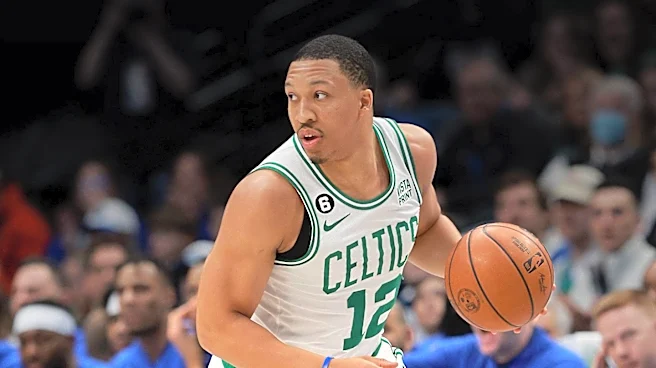
The NBA is experiencing a significant increase in ownership turnover, with nearly 25% of its 30 franchises changing hands since 2020. This trend includes high-profile teams like the Boston Celtics and Los Angeles Lakers. The league has also relaxed its rules
on private equity ownership, allowing financial investors to hold stakes in up to eight teams. This shift is seen as a way to help franchises meet rising valuations. However, the new ownership dynamics have led to concerns about the long-term stability of teams, as new owners may prioritize financial gains over team development and community engagement.
Why It's Important?
The increase in ownership turnover and the shift towards private equity involvement in the NBA could have significant implications for the league's future. While these changes may boost franchise valuations, they could also lead to instability and a focus on short-term financial returns rather than long-term team success and community relationships. Fans and stakeholders may face uncertainty as new owners implement cost-cutting measures and other strategies to maximize profits. This trend could affect team performance, fan engagement, and the overall reputation of the league.
What's Next?
As the NBA continues to navigate these changes, it will be crucial for the league to balance financial growth with maintaining team stability and community ties. The league's vetting process for new owners may need to be reassessed to ensure that new ownership groups are committed to the long-term success of their teams. Additionally, the impact of these changes on team performance and fan loyalty will be closely monitored by stakeholders. The league may also face pressure to address concerns about the influence of private equity on team operations and community relations.