








What's Happening?
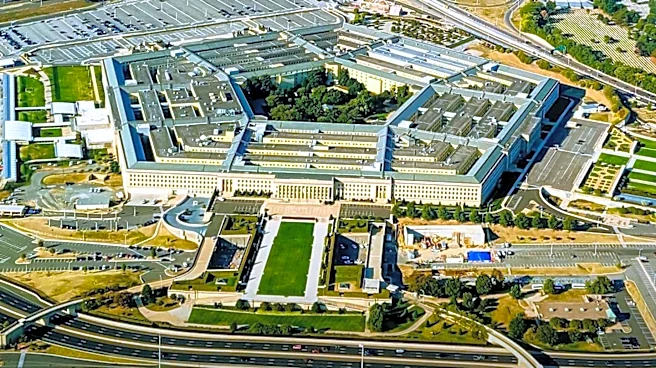
ReElement Technologies, a start-up focused on rare earths, has decided to withdraw from pursuing an $80 million conditional loan from the U.S. Department of Defense. This decision comes after the company failed to meet the federal due diligence standards
required for the loan, which is part of a larger $700 million critical minerals funding initiative announced by the Office of Strategic Capital. The loan was intended to support ReElement in processing rare earths and other critical minerals using its proprietary technology. Despite the setback, ReElement is exploring other forms of federal assistance and is considering private investment to reduce costs and compete with China's dominance in the rare earths market.
Why It's Important?
The withdrawal of ReElement from the Pentagon loan process highlights the challenges faced by U.S. companies in securing government funding for critical mineral processing, a sector crucial for reducing dependency on foreign sources, particularly China. The inability to meet due diligence standards may raise concerns about the robustness of the company's operations or financial health. This development could impact the U.S. strategy to bolster domestic production of critical minerals, which are essential for various industries, including defense and technology. The situation underscores the importance of transparent and rigorous review processes in government funding initiatives, as well as the need for companies to align with these standards to access federal support.
What's Next?
ReElement is now considering alternative federal assistance options and focusing on private investment to achieve its goals. The company aims to position itself as a competitor to Chinese rare earths dominance by leveraging private funding to lower operational costs. Meanwhile, the Pentagon's loan to Vulcan Elements, another start-up in the same funding initiative, remains active. ReElement's future actions will likely involve strategic partnerships and investments to strengthen its market position. The outcome of these efforts could influence the broader U.S. strategy for securing a stable supply of critical minerals.