
What's Happening?
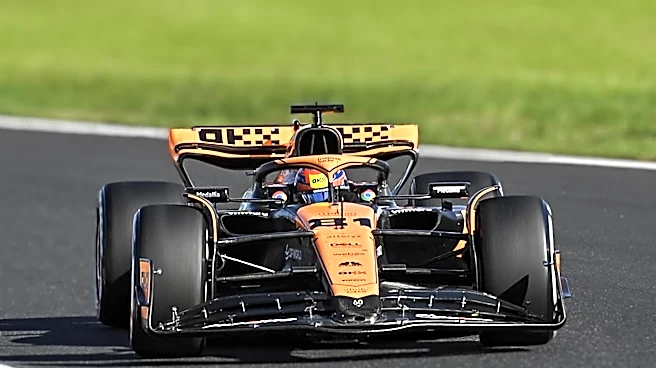
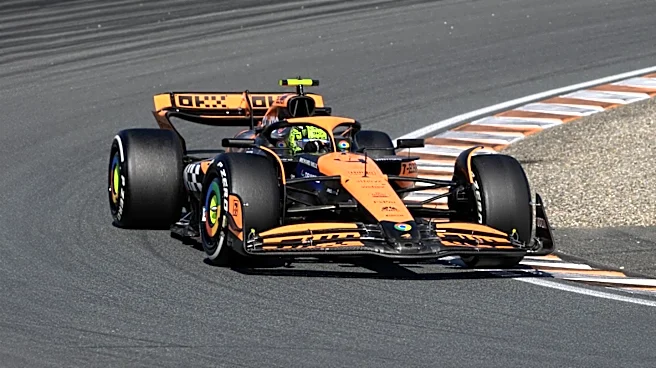
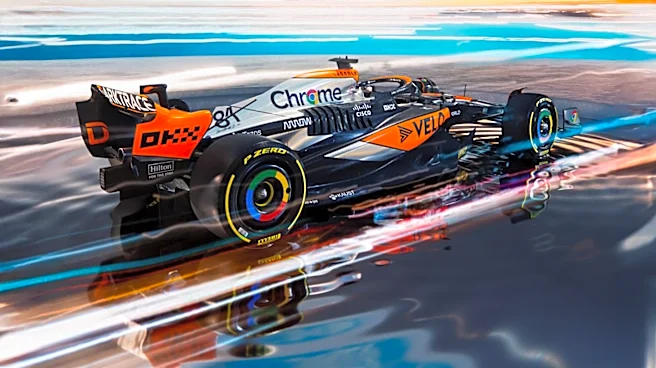
Oscar Piastri, driving for McLaren, has been adjusting to the new Formula 1 regulations in the 2026 season, which have required drivers to adopt different techniques to optimize performance. The changes involve managing electrical energy usage and sacrificing
peak corner speeds for better straight-line performance. Piastri has faced challenges, including reliability issues and adapting to the car's unique demands. Despite a difficult start, he has shown improvement, particularly highlighted by his performance in Austria, where he finished fourth. Piastri's adaptation process reflects the broader adjustments teams and drivers are making under the new regulations.
Why It's Important?
Piastri's experience underscores the impact of regulatory changes on driver performance and team strategies in Formula 1. The need to adapt to new car dynamics and energy management techniques highlights the sport's technical complexity and the continuous learning required by drivers. These changes can influence race outcomes and team standings, as those who adapt more effectively gain a competitive edge. Piastri's journey also illustrates the challenges faced by drivers in maintaining consistency and performance amid evolving regulations, which is crucial for their career progression and team success.
What's Next?
As the season continues, Piastri and McLaren will focus on further refining their approach to the new regulations to enhance performance. The team's ability to address reliability issues and optimize car setup will be critical in achieving better results. Piastri's development will be closely watched, as his adaptation could influence McLaren's strategy and competitiveness. The ongoing adjustments by teams and drivers will contribute to the dynamic nature of the 2026 F1 season, with potential implications for future regulatory changes and the sport's evolution.