


What's Happening?
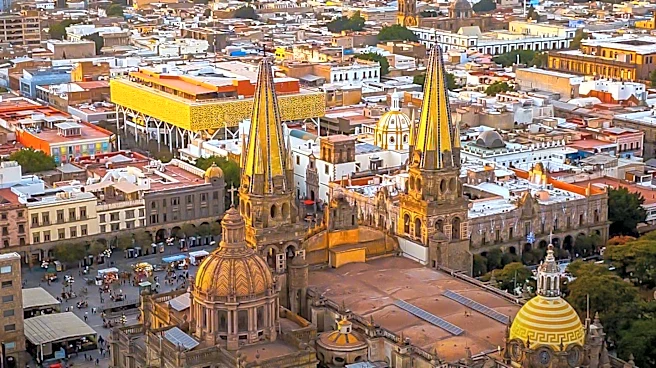
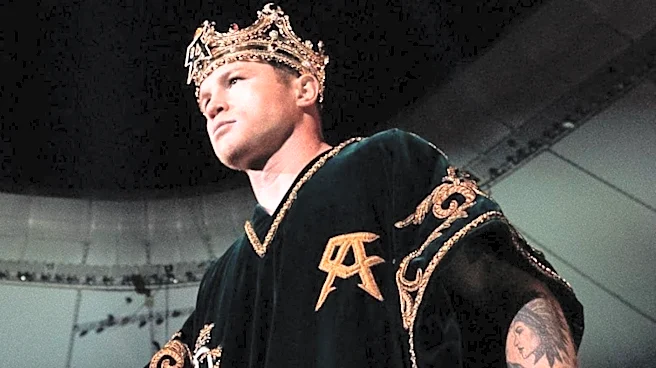
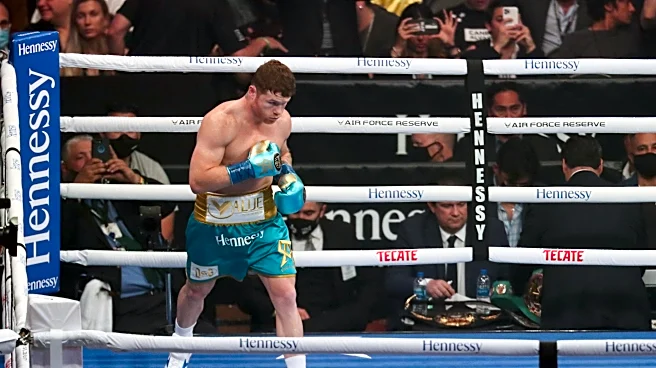
Saul 'Canelo' Alvarez's final professional boxing match is being tentatively planned for Guadalajara, Jalisco, sometime between November 2029 and March 2030. According to journalist Mike Coppinger, Alvarez's business team is exploring the possibility
of staging this farewell fight as the inaugural major event at a new stadium under construction in the city, which is slated to become the new home for the Atlas soccer club. While this idea is reportedly under consideration, there has been no official confirmation regarding the date or the specific venue for the Guadalajara native's retirement bout. Before this potential retirement fight, Alvarez is contractually obligated to complete the final fight of his current deal, which is anticipated to occur in Saudi Arabia in early 2027. Following this, he may consider signing a new contract that could encompass his career-ending match. Alvarez recently secured a unanimous decision victory over Christian Mbilli on October 31, 2026, and his next opponent for early 2027 is yet to be determined, with several prominent fighters being mentioned as possibilities.
Why It's Important?
This potential retirement plan for Canelo Alvarez holds significant importance for the boxing world and sports entertainment. Alvarez is one of the sport's biggest global draws, and his farewell fight would undoubtedly be a monumental event, attracting massive viewership and revenue. Staging it in Guadalajara, his hometown, would provide a poignant narrative arc to his career, potentially boosting local tourism and economic activity in Jalisco. The choice of a new stadium for this event also highlights the growing trend of major sporting events being used to inaugurate new, state-of-the-art venues, maximizing their initial impact and public awareness. For boxing fans, the anticipation of his final opponent and the emotional weight of his last fight will be immense, shaping discussions around his legacy. The decision to potentially sign a new contract specifically for a farewell bout also indicates the strategic planning involved in managing the career of a top-tier athlete, ensuring maximum commercial and sentimental value for his departure from the ring.
What's Next?
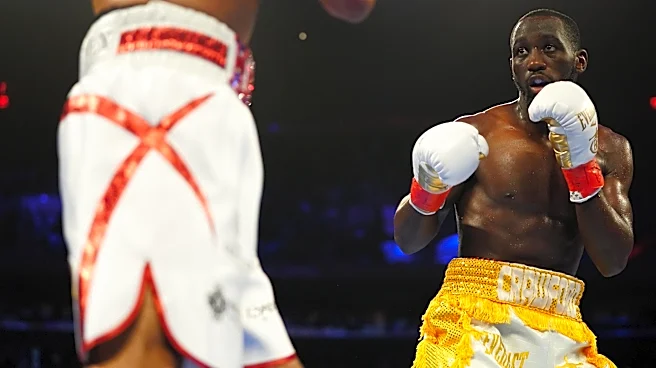
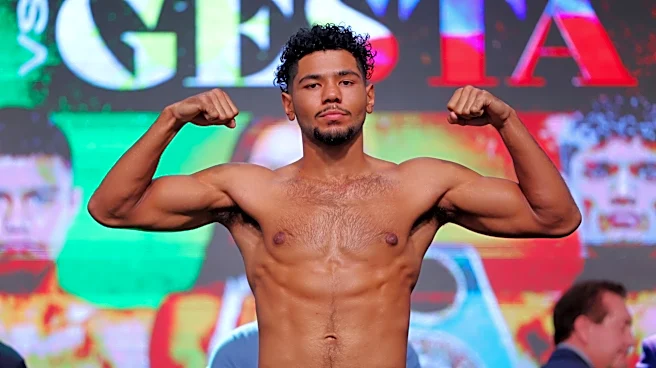
The immediate next step for Canelo Alvarez is to fulfill the final fight of his current contract, which is expected to take place in Saudi Arabia in early 2027. His trainer, Eddy Reynoso, and his team are currently evaluating potential opponents for this bout, with names like Terence Crawford (for a potential rematch), Dmitry Bivol (for a rematch at 175 pounds), Osleys Iglesias (IBF super middleweight champion), and Willy Hutchinson being considered. Following this fight, discussions will likely intensify regarding a new contract that could include his retirement fight. Official confirmation of the date and venue for his farewell bout in Guadalajara is still pending and will be a key development to watch. The construction progress of the new stadium in Guadalajara will also be a factor, as its completion timeline needs to align with Alvarez's proposed retirement window. The boxing community will closely monitor these developments, as the selection of his final opponents and the details of his retirement event will be major news.
Beyond the Headlines
Beyond the immediate sporting implications, Canelo Alvarez's planned retirement in his hometown could signify a broader trend of athletes concluding their careers with events that deeply connect to their personal roots and fan base. This approach not only maximizes emotional resonance but also creates a powerful legacy narrative. The potential use of a new stadium for his farewell fight underscores the symbiotic relationship between sports stars and infrastructure development, where high-profile events can serve as catalysts for showcasing new venues and driving regional pride. Ethically, the careful planning of a retirement fight allows an athlete of Alvarez's stature to control his narrative and exit the sport on his own terms, rather than being forced out by decline or injury. This strategic exit can also influence future generations of athletes, demonstrating the importance of career management beyond active competition, including post-career branding and community engagement. The event could also serve as a cultural moment, celebrating a national hero in a sport deeply ingrained in Mexican identity.