





What's Happening?
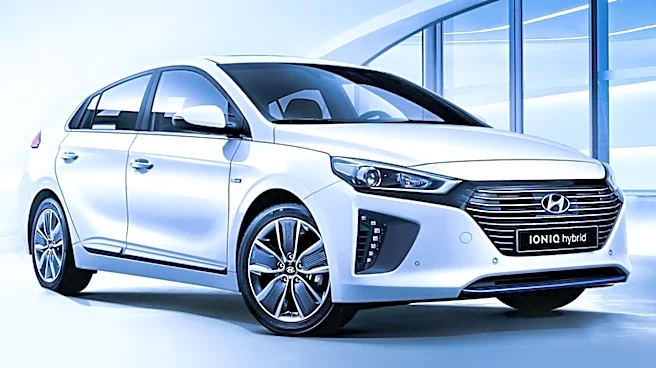
Hyundai Motor Group is committing $500 million to upgrade its Hyundai Motor Manufacturing Alabama facility in Montgomery. This substantial investment is aimed at retooling the plant to support the assembly of the popular Tucson hybrid and a new series
of internal combustion engines. A primary focus of this expansion is the production of Extended Range Electric Vehicle (EREV) powertrains, which utilize a combustion engine to recharge an onboard battery while an electric motor drives the wheels. This strategic move aligns with the increasing consumer demand in North America for flexible powertrains and Hyundai's broader commitment to building high-volume electrified models within the United States.
Why It's Important?
This $500 million investment by Hyundai signifies a major commitment to bolstering U.S. manufacturing capabilities and adapting to evolving market demands for electrified vehicles. By localizing the production of hybrid and EREV models, Hyundai aims to streamline its supply chains, mitigate the impact of import tariffs, and reduce vulnerability to global market volatility. This strategy provides a competitive edge by allowing the company to respond more agilely to American consumer preferences and federal trade incentives. Furthermore, producing EREV powertrains domestically helps secure crucial component supply chains, which is vital for the brand's 2030 strategy of aggressive portfolio expansion and increased U.S. assembly. This move also contributes to job creation and economic growth in Alabama, reinforcing the U.S. as a key manufacturing hub for advanced automotive technologies.
What's Next?
The retooling of the Hyundai Motor Manufacturing Alabama facility will proceed with the $500 million investment, enabling the production of the Tucson hybrid and new EREV powertrains. This expansion is expected to facilitate the domestic assembly of several upcoming vehicles, including a planned truck featuring EREV technology, destined for both domestic and international distribution. The increased localized production will allow Hyundai to further integrate into the American manufacturing landscape, potentially leading to more stable pricing for consumers and greater resilience against external economic pressures. The success of this investment will likely influence future decisions regarding domestic production and electrification strategies for Hyundai and potentially other automakers.
Beyond the Headlines
Hyundai's focus on EREV technology represents a pragmatic approach to electrification, bridging the gap between traditional internal combustion engines and full battery electric vehicles. EREVs offer consumers the benefits of electric driving for shorter commutes while eliminating range anxiety for longer journeys, making them an attractive option during the transition to a fully electric future. This investment also highlights the ongoing shift in the automotive industry towards regionalized manufacturing to enhance supply chain security and reduce geopolitical risks. The move could set a precedent for other global automakers to increase their U.S. production footprint, fostering a more robust and self-reliant American automotive sector. It also underscores the importance of flexible powertrain options in meeting diverse consumer needs and regulatory requirements.