



What's Happening?
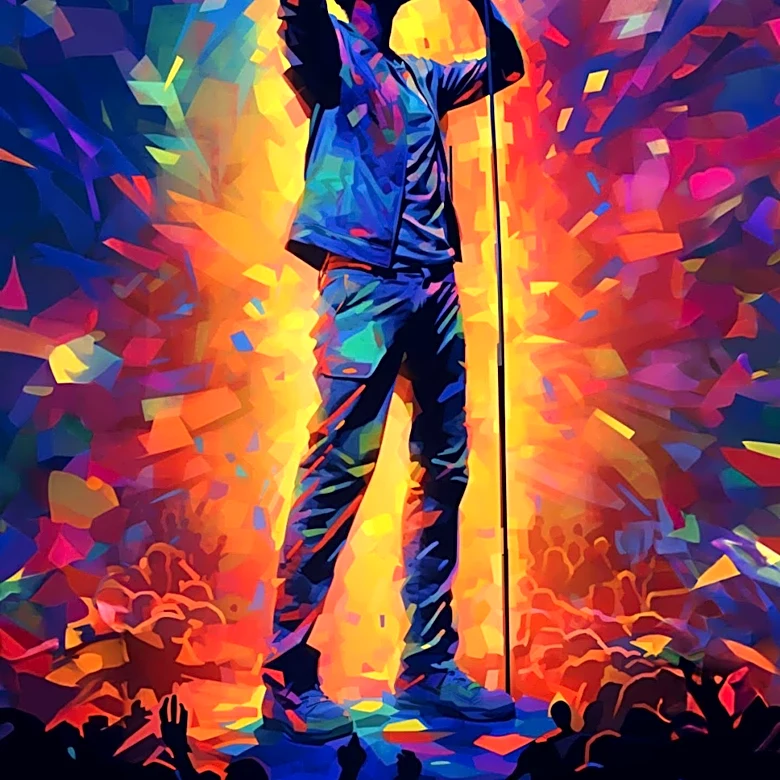
The Electric Daisy Carnival (EDC) is set to make its South American debut in Medellín, Colombia, on October 10 and 11, 2026. The event will be held at the Complejo Deportivo Atanasio Girardot, marking EDC's return to Latin America. This festival is renowned
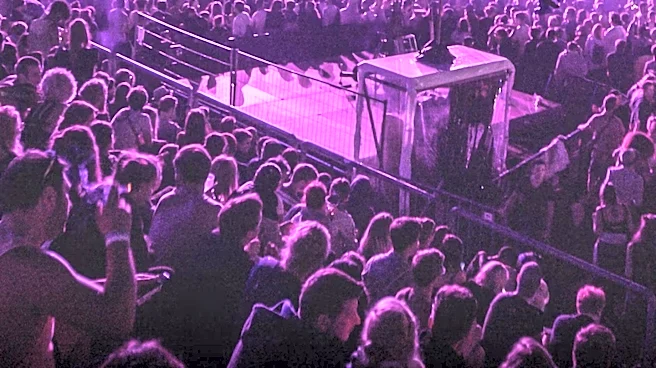
for its blend of electronic music, immersive art, and spectacular production. The lineup includes international artists such as Alesso, Armin van Buuren, Above & Beyond, and deadmau5, alongside Colombian performers. EDC Colombia will feature a variety of electronic music genres across multiple themed stages, enhanced by monumental stage architecture, pyrotechnics, and interactive art installations. The festival aims to create an inclusive community centered around dance music, encouraging exploration and creativity among attendees.
Why It's Important?
The introduction of EDC to Colombia signifies a major cultural event for the region, potentially boosting local tourism and the economy. By hosting such a globally recognized festival, Medellín positions itself as a key destination for electronic music enthusiasts in Latin America. This event could attract thousands of visitors, providing economic benefits to local businesses, including hotels, restaurants, and transportation services. Additionally, the festival's emphasis on inclusivity and creativity aligns with Medellín's growing reputation as a cultural hub, further enhancing its international profile. The presence of high-profile artists and cutting-edge production may also inspire local artists and contribute to the development of the regional music scene.
What's Next?
As the festival date approaches, organizers will likely focus on logistics, including security measures, stage construction, and artist coordination. Local authorities and businesses may collaborate to accommodate the influx of visitors, ensuring a smooth experience for attendees. The success of EDC Colombia could pave the way for future editions and similar events in the region, fostering a vibrant festival culture. Stakeholders, including local government and tourism boards, may monitor the festival's impact on the economy and community, potentially using it as a model for future cultural initiatives.