




What's Happening?
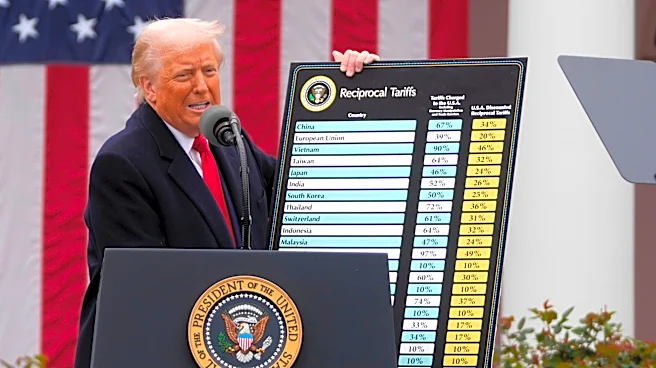
Major corporations, including Apple, Amazon, and Nike, have received substantial tariff refunds following the Supreme Court's decision to strike down President Trump's tariffs. Apple received an estimated $2.2 billion, Amazon $600 million, and Nike $300
million. However, American consumers, who faced higher prices due to these tariffs, are not receiving direct refunds. The tariff refund system only allows those who directly paid the tariffs to file for refunds. Some companies, like Amazon, have promised to pass savings to consumers, but the process remains unclear. The situation has sparked class action lawsuits and consumer frustration.
Why It's Important?
The distribution of tariff refunds highlights the complexities and perceived inequities in the tariff system. While corporations benefit from significant refunds, consumers who bore the brunt of increased prices see little direct relief. This situation underscores the challenges in balancing corporate interests with consumer protection. The outcome of ongoing lawsuits and corporate decisions on refund distribution could influence public perception and policy discussions on trade and tariffs. The issue also raises questions about corporate responsibility and transparency in handling financial windfalls.
What's Next?
As more refunds are processed, companies will face increasing pressure to demonstrate how they are using these funds to benefit consumers. Legal challenges may continue as consumers seek a share of the refunds. Policymakers and consumer advocacy groups may push for reforms to ensure more equitable distribution of tariff-related financial benefits. The situation could also influence future trade policy decisions and corporate strategies regarding pricing and consumer engagement.