




What's Happening?
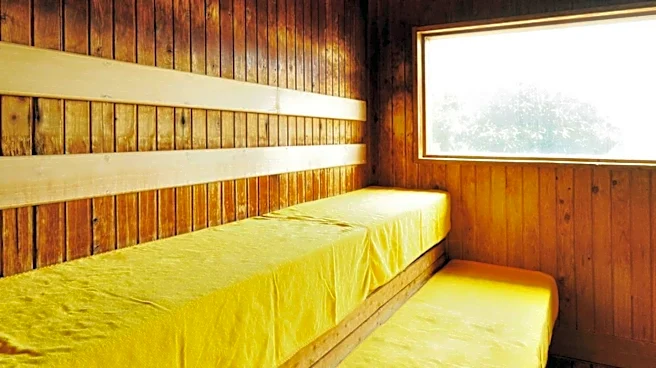
The cost of installing a home sauna can range significantly, from approximately $2,100 for a basic plug-in infrared model to over $40,000 for a luxury designer outdoor build. According to Sun Valley Saunas, a family-owned retailer, the total price is
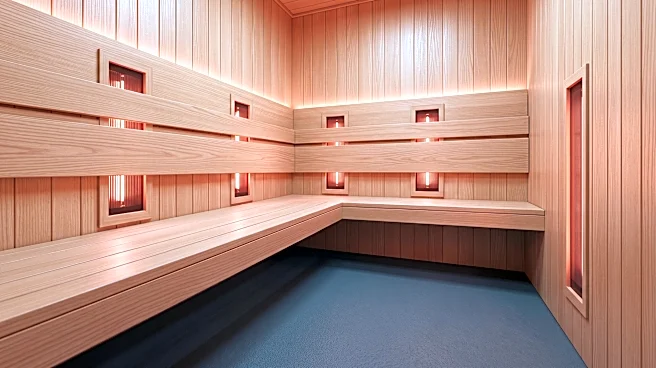
influenced by the sauna type, the inclusion and type of heater, and installation and electrical work. Infrared saunas, which come with built-in heating panels, generally have lower starting prices, with indoor models beginning around $2,100 and outdoor models between $3,790 and $14,000. Traditional saunas often require a separate heater purchase, adding an estimated $1,200 to $4,600 to the cost. Installation expenses are highly variable, depending on the distance from the breaker box to the sauna location and whether a new electrical circuit or outdoor foundation is needed.
Why It's Important?
Understanding the comprehensive costs associated with home saunas is crucial for homeowners considering this wellness investment. The wide price range and various contributing factors highlight the need for thorough planning beyond just the unit's purchase price. The distinction between infrared and traditional saunas, particularly regarding heater inclusion and electrical requirements, can significantly impact the overall budget and installation complexity. For instance, smaller infrared saunas often use standard 120V outlets, while traditional electric heaters typically require a dedicated 240V circuit, which can incur substantial electrical work costs. This detailed breakdown helps consumers make informed decisions, preventing unexpected expenses and ensuring the chosen sauna aligns with their budget and home infrastructure capabilities.
What's Next?
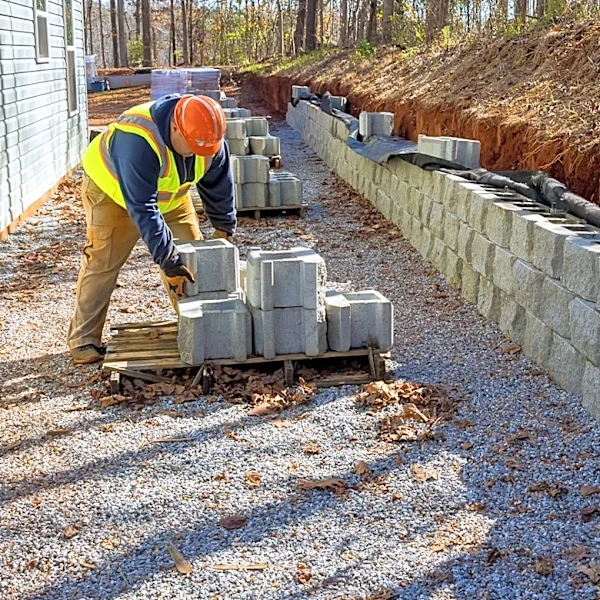
Prospective home sauna buyers are advised to obtain quotes for electrical work and site preparation before purchasing a unit. This proactive approach can help avoid surprises, especially for outdoor installations that might require trenching for electrical lines or the construction of a new foundation. Homeowners should also consider local permit requirements, as new electrical circuits and outdoor structures often necessitate them. Additionally, the ongoing running costs, which are relatively low for saunas (e.g., a 6 kW traditional heater costing about $1.62 per session), should be factored into the long-term budget. The decision between building a sauna from scratch versus buying a prebuilt kit also involves trade-offs between material costs, labor, and warranty considerations, with kits often offering a more convenient and less risky option for most buyers.
Beyond the Headlines
The growing interest in home saunas reflects a broader trend towards personal wellness and self-care investments within the home environment. As consumers prioritize health and relaxation, the demand for amenities like saunas is likely to increase, influencing home design and renovation trends. The detailed cost analysis also underscores the importance of understanding product specifications beyond initial price tags, encouraging consumers to evaluate factors like energy efficiency, maintenance, and longevity. This shift towards informed purchasing decisions for home wellness products could lead to greater transparency in pricing and installation services across the industry, benefiting both consumers and reputable providers. The convenience of having a sauna at home also speaks to a lifestyle choice that values accessibility to wellness practices, potentially reducing reliance on external fitness or spa facilities.