





What's Happening?
Cox Automotive has projected a 16.1 million Seasonally Adjusted Annual Rate (SAAR) for new-vehicle sales in June 2026. Despite the challenges posed by $4 per gallon gas prices, the market is showing resilience. However, major brands like General Motors,
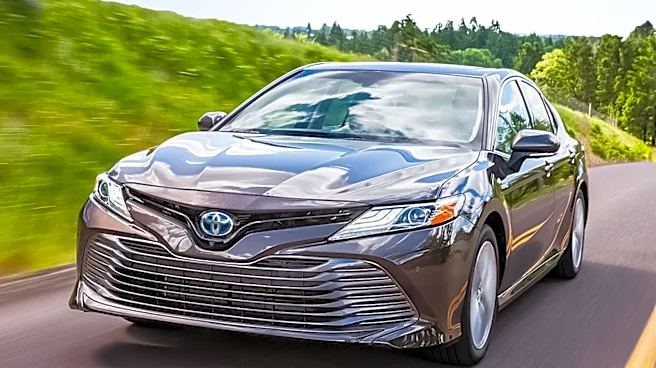
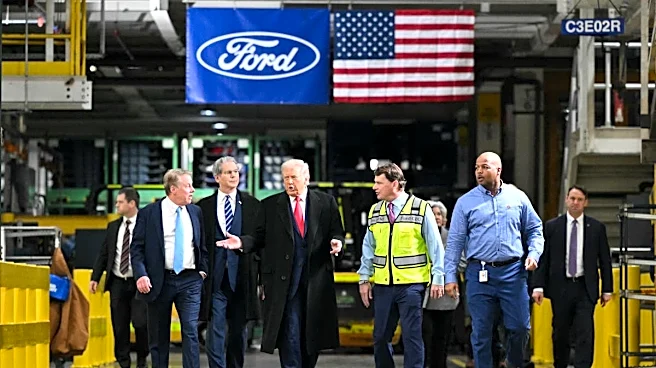
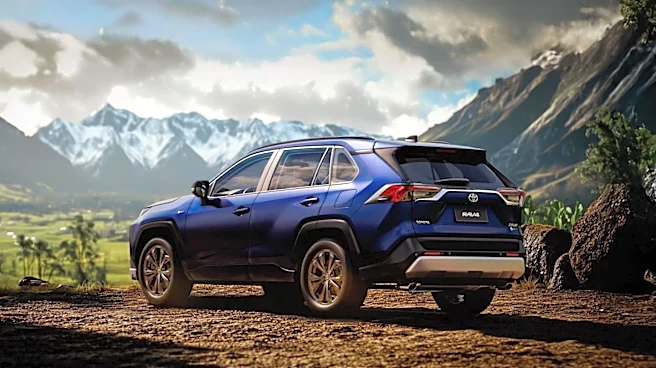
Ford, and Tesla are reportedly losing market share to competitors such as Toyota, Hyundai, and Stellantis. This shift is attributed to an increasing demand for hybrid vehicles and changes in product mix. The report highlights a significant trend in consumer preferences towards more fuel-efficient and hybrid models, which is impacting the market dynamics and competitive landscape.
Why It's Important?
The shift in market share from traditional automotive giants to companies like Toyota and Hyundai underscores a significant transformation in consumer preferences towards hybrid and more fuel-efficient vehicles. This trend could have long-term implications for the U.S. automotive industry, potentially influencing manufacturing strategies, investment in hybrid technology, and the competitive positioning of major brands. Companies that adapt to these changes may gain a competitive edge, while those that fail to innovate could face declining market shares. This development also reflects broader environmental and economic considerations as consumers seek to mitigate the impact of rising fuel costs.
What's Next?
As the demand for hybrid vehicles continues to grow, automotive companies may need to accelerate their investment in hybrid and electric vehicle technologies. This could lead to increased research and development efforts, strategic partnerships, and potential shifts in production priorities. Additionally, companies may need to reassess their marketing strategies to align with changing consumer preferences. Policymakers and industry stakeholders will likely monitor these trends closely, as they could influence regulatory decisions and environmental policies related to automotive emissions and fuel efficiency standards.