





What's Happening?
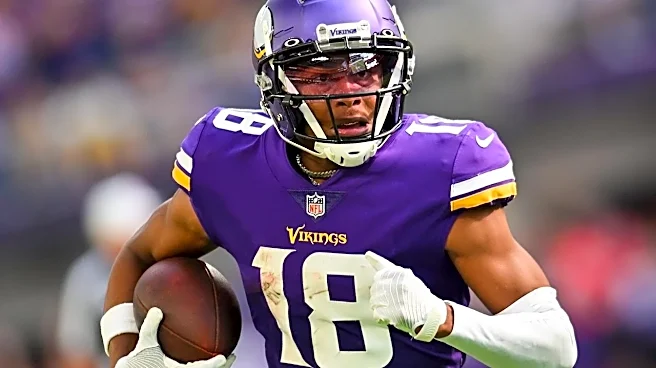
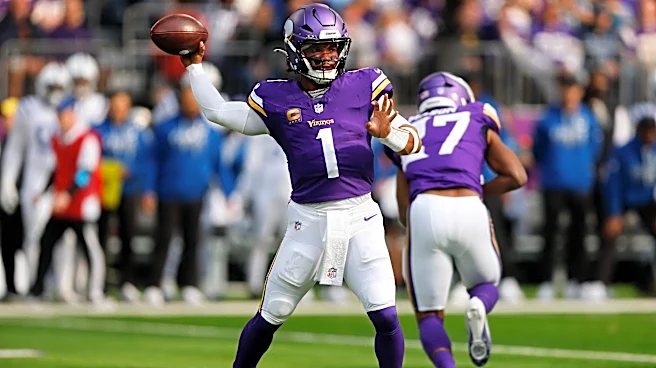
In October 2026, NFL players Hunter Henry and Justin Jefferson, along with broadcaster Pat McAfee, made significant charitable contributions. New England Patriots tight end Hunter Henry and Minnesota Vikings wide receiver Justin Jefferson collectively
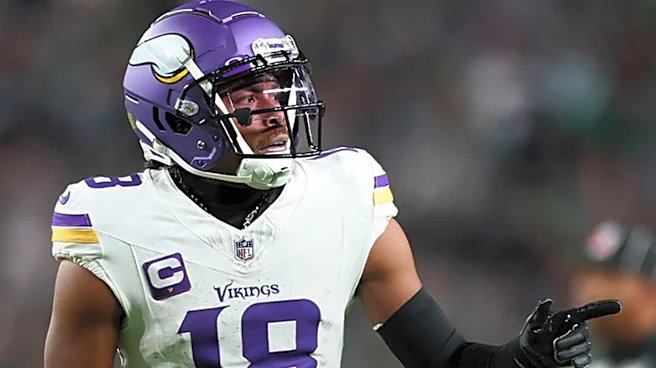
raised over $265,000 through charity events. Henry's second annual 'Freedom to Play' ping-pong tournament, held at SPIN Boston on October 12, generated more than $220,000 for the International Justice Mission, an organization dedicated to combating human trafficking and exploitation. Justin Jefferson's inaugural 'Strike Out Cancer' bowling event raised over $45,000 for the American Cancer Society. Separately, Pat McAfee, a former NFL punter and sports broadcaster, announced a $1 million donation to the University of Iowa Health Care Stead Family Children's Hospital following his appearance on ESPN's College GameDay in Iowa City. These efforts highlight the use of sports platforms for philanthropic causes, addressing issues from human trafficking and cancer research to children's healthcare.
Why It's Important?
These charitable endeavors by prominent NFL figures underscore the significant influence athletes and sports personalities wield beyond their respective fields. Their actions demonstrate how public platforms can be leveraged to raise substantial funds and awareness for critical social and health issues. Hunter Henry's support for the International Justice Mission brings attention to the complex and often hidden problem of human trafficking, while Justin Jefferson's fundraising for the American Cancer Society contributes to ongoing efforts in cancer research and patient support. Pat McAfee's substantial donation to a children's hospital directly impacts pediatric care, providing vital resources for specialized medical services. Such high-profile involvement not only generates financial aid but also inspires broader community engagement and participation in charitable giving, showcasing the power of sports to foster social responsibility and collective action for the greater good.
What's Next?
The success of these events, particularly Henry's second annual tournament and Jefferson's inaugural event, suggests a potential for continued and expanded charitable initiatives from these athletes in the future. The funds raised will be directed to their respective organizations, with the International Justice Mission utilizing Henry's contributions to support its global anti-trafficking efforts, and the American Cancer Society deploying Jefferson's funds for cancer research and patient services. McAfee's $1 million pledge to the University of Iowa Health Care Stead Family Children's Hospital will enhance the hospital's capacity to provide specialized care for children. The long-term impact will depend on how effectively these organizations utilize the resources to achieve their missions, and how these public figures continue to engage with and advocate for their chosen causes, potentially encouraging other athletes and public figures to follow suit.
Beyond the Headlines
The charitable actions of these NFL stars and sports personalities reflect a growing trend of public figures using their visibility to address societal challenges. This goes beyond mere financial contributions, as their involvement creates a ripple effect, drawing media attention and public discourse to often overlooked issues like human trafficking. The use of engaging events, such as ping-pong tournaments and bowling nights, democratizes philanthropy, allowing fans and community members to participate actively rather than just donating passively. This approach fosters a sense of shared purpose and community building around charitable causes. Furthermore, these efforts highlight the ethical dimension of celebrity influence, demonstrating how fame can be channeled into meaningful social impact, thereby redefining the role of athletes as not just entertainers but also as agents of positive change within society.