



What's Happening?
Farmhouse Teas has launched its 'Not Coffee' line, offering herbal tea blends designed to replicate the taste and texture of traditional coffee without the caffeine. This initiative caters to individuals who enjoy the coffee experience but need to avoid
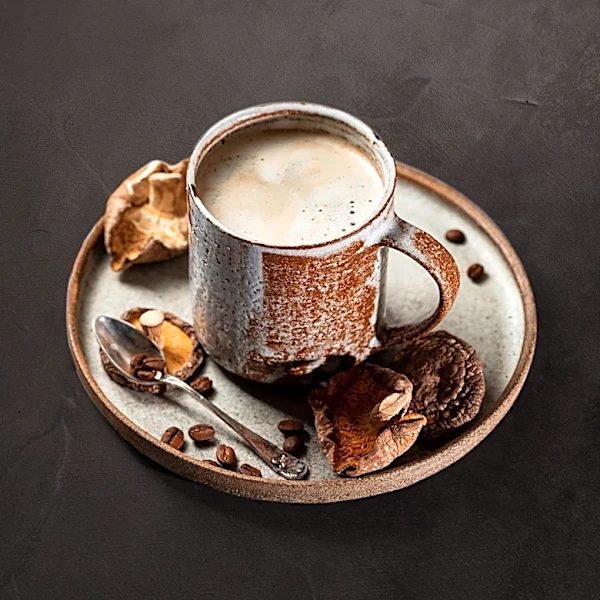
caffeine for health reasons. The company emphasizes that these blends are thick and bold, capable of taking cream and sugar, similar to regular coffee. The 'Not Coffee' line includes various options such as Sugar Maker's Not Coffee® and Mushroom NOT Coffee® Herbal Tea, alongside trial size starter packs. This development comes as many consumers seek alternatives to traditional caffeinated beverages due to health concerns, with the company itself noting that its founder had to give up coffee for similar reasons. The product aims to provide a satisfying substitute for coffee drinkers looking to reduce or eliminate their caffeine intake.
Why It's Important?
The introduction of the 'Not Coffee' line by Farmhouse Teas is significant for the growing segment of the U.S. population seeking caffeine alternatives. As health awareness increases, more individuals are looking to mitigate potential negative effects of caffeine, such as cardiovascular issues or sleep disruption, as highlighted by experts. This product offers a solution that allows consumers to maintain their daily ritual of a warm, flavorful beverage without the physiological impact of caffeine. For businesses in the beverage industry, this trend signals a shift in consumer demand towards healthier, more customizable options. Companies that can innovate to meet these evolving preferences, particularly in the 'coffee-like' category, stand to gain a competitive advantage. The emphasis on taste and texture ensures that the alternative is not a compromise but a viable substitute, potentially expanding the market for herbal teas beyond traditional tea enthusiasts.
What's Next?
The success of Farmhouse Teas' 'Not Coffee' line could encourage other beverage companies to invest further in developing and marketing caffeine-free alternatives that mimic popular caffeinated drinks. We may see an increase in research and development efforts to create more diverse and sophisticated 'coffee-like' or 'energy drink-like' herbal blends. Consumer feedback and sales performance of these products will likely dictate the pace and direction of this trend. Furthermore, as the market for health-conscious beverages expands, there could be a greater focus on transparency regarding ingredients and their health benefits, potentially leading to more stringent labeling or marketing standards for such products. The continued growth of this niche could also influence cafes and food service establishments to broaden their caffeine-free menus to include more innovative and satisfying options.
Beyond the Headlines
This trend reflects a broader cultural shift towards wellness and mindful consumption in the U.S. The desire for caffeine alternatives goes beyond mere health benefits; it touches upon the psychological and social aspects of beverage consumption. For many, coffee is a ritual, a comfort, or a social lubricant. Products like 'Not Coffee' aim to preserve these non-caffeine-related benefits, allowing individuals to participate in these rituals without the stimulant. This highlights a growing consumer sophistication where people are not just looking for a product but for an experience that aligns with their lifestyle choices. It also underscores the ethical considerations for companies to provide genuine alternatives rather than simply 'decaffeinated' versions, which may still contain trace amounts of caffeine or lack the desired sensory profile. The long-term implication is a more diverse and inclusive beverage market that caters to a wider range of dietary needs and preferences.