






What's Happening?
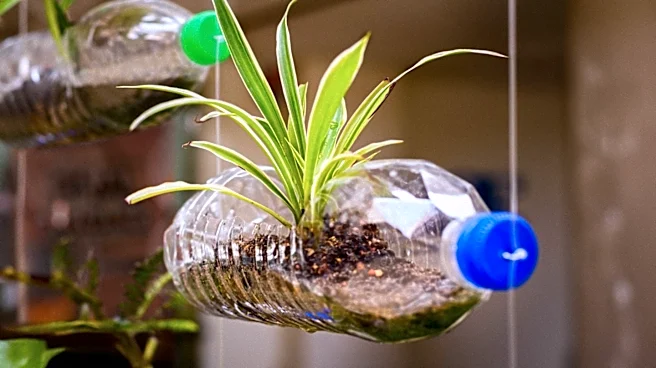
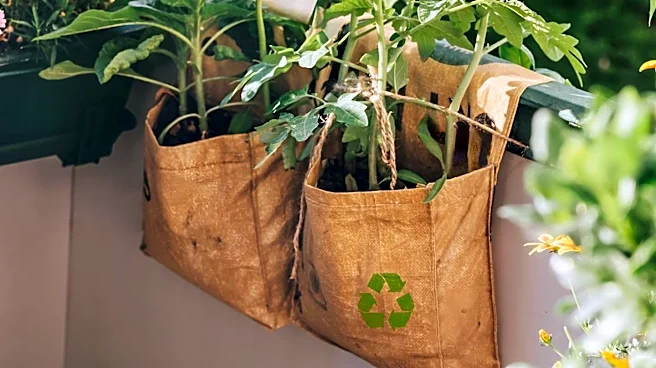
Ukoke tools are being highlighted as essential for creating and maintaining vertical gardens, a method gaining traction for maximizing gardening space. Vertical gardening involves growing plants upwards on structures like walls, trellises, or hanging
baskets, making it suitable for limited areas such as apartments or small patios. The company emphasizes that its tools, including trowels with measurement markings and cultivators, are designed for efficiency and comfort in these specific gardening applications. The approach not only saves floor space but also creates visually appealing displays. Proper tool selection, such as those with soft-grip handles, is crucial for reducing strain during extended gardening sessions in confined spaces. The guide from Ukoke also stresses the importance of choosing plants that thrive in vertical environments and consistent maintenance, including pruning and watering, to ensure the garden's success.
Why It's Important?
The promotion of vertical gardening with specialized tools addresses a growing need for urban dwellers and those with limited outdoor space to engage in gardening. This trend has significant implications for urban greening initiatives, potentially transforming unused vertical surfaces into productive and aesthetic green spaces. By making gardening more accessible, it can contribute to improved mental well-being, local food production, and enhanced urban biodiversity. For businesses like Ukoke, this represents a market opportunity to cater to a niche but expanding segment of gardeners. The emphasis on ergonomic tools also highlights a broader industry trend towards user-friendly and health-conscious product design, benefiting consumers by making gardening less physically demanding and more enjoyable.
What's Next?
As urban populations continue to grow and living spaces become more compact, the demand for space-saving gardening solutions like vertical gardens is likely to increase. This could lead to further innovation in gardening tools and vertical gardening systems. Manufacturers may develop more integrated systems that combine planters, irrigation, and structural support, making vertical gardening even easier for consumers. Educational initiatives promoting the benefits and techniques of vertical gardening could also expand, encouraging more individuals and communities to adopt this practice. Additionally, the success of vertical gardening could inspire urban planners and architects to incorporate these green solutions into new building designs and public spaces, further integrating nature into urban environments.
Beyond the Headlines
The rise of vertical gardening extends beyond mere aesthetics and space-saving; it touches upon deeper themes of sustainability, urban resilience, and community engagement. By enabling food production in urban settings, vertical gardens can reduce reliance on long-distance food supply chains, contributing to food security and a smaller carbon footprint. They also offer a unique opportunity for community building, as shared vertical gardens can foster social interaction and environmental stewardship among residents. Furthermore, these green installations can play a role in mitigating the urban heat island effect and improving air quality, offering tangible environmental benefits. The integration of technology, such as automated watering systems or smart sensors, could further enhance the efficiency and appeal of vertical gardening, pushing the boundaries of urban agriculture.