




What's Happening?
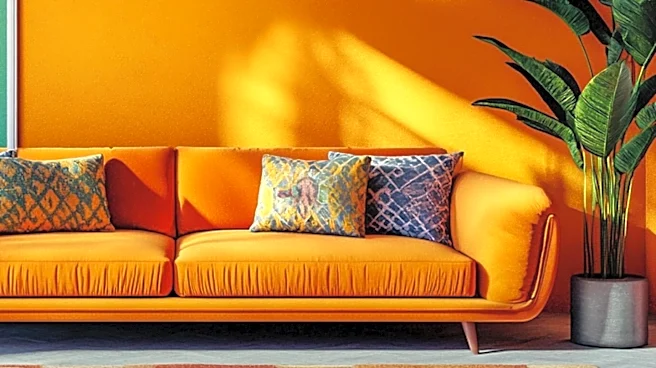
The concept of 'fast fashion,' characterized by the rapid production of inexpensive, trendy, and often low-quality clothing, has found a parallel in the furniture industry, leading to a significant increase in waste. Retailers like IKEA, Wayfair, and Amazon
are noted for selling 'fast furniture' made with low-quality materials such as particle board and plastic, designed for short-term use. This mirrors the fast fashion model where affordability drives consumer purchases despite known unsustainable practices. In 2018, nearly 10 million tons of furniture ended up in landfills, a nearly fivefold increase since 1960, according to data from the Environmental Protection Agency. This trend highlights a shift from durable, long-lasting furniture to disposable items, contributing to a growing environmental problem. The practice of donating these low-quality items to thrift stores often doesn't alleviate the issue, as many pieces are too flimsy or damaged to be resold and ultimately still end up in landfills.
Why It's Important?
The rise of fast furniture has significant environmental and economic implications for the U.S. The substantial increase in furniture waste places a growing burden on landfills and natural resources. This trend reflects a broader societal shift towards disposability and away from investing in durable goods, impacting consumer habits and manufacturing practices. While affordability is a key driver for consumers, particularly in the context of economic pressures, the long-term costs include environmental degradation and the perpetuation of a wasteful cycle. The challenge extends to charitable organizations, which are often overwhelmed with donations of low-quality items that they cannot sell, diverting resources and space. This situation underscores the need for a reevaluation of production and consumption patterns to promote more sustainable alternatives and reduce the environmental footprint of household goods.
What's Next?
To combat the fast furniture cycle, consumers are encouraged to adopt more sustainable purchasing habits. This includes investing in artisanal, heirloom pieces made from durable materials that are designed to last for decades. Shopping secondhand is another recommended approach to extend the life of existing furniture and reduce demand for new, low-quality items. Additionally, modifying or repairing existing furniture rather than replacing it can help break the cycle of waste. The industry may see a growing demand for products that prioritize longevity and quality, potentially influencing manufacturers to shift towards more sustainable production methods. Increased consumer awareness and a focus on the entire lifecycle of products, from design to disposal, will be crucial in addressing this escalating waste problem.
Beyond the Headlines
The fast furniture phenomenon reveals deeper societal and ethical considerations beyond immediate environmental impact. It highlights the tension between consumer demand for affordability and the long-term costs of unsustainable production. The ease of purchasing inexpensive, disposable items can obscure the ethical implications of resource depletion and waste generation. This trend also raises questions about corporate responsibility, as companies continue to profit from models that prioritize rapid turnover over product durability and environmental stewardship. The cultural shift towards valuing convenience and low cost over quality and longevity has profound implications for future generations and the planet's capacity to absorb waste. Addressing this issue requires not only changes in consumer behavior but also systemic shifts in manufacturing, retail, and waste management policies.