



What's Happening?
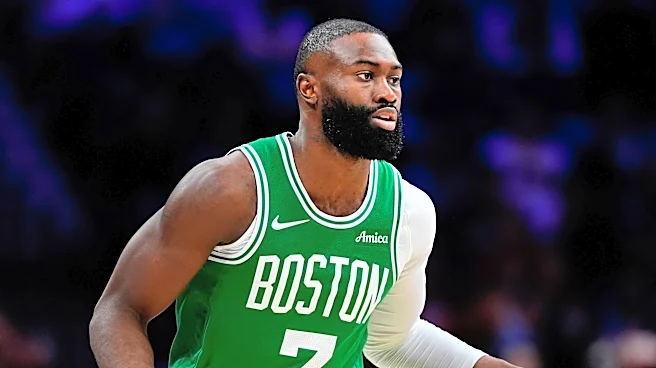
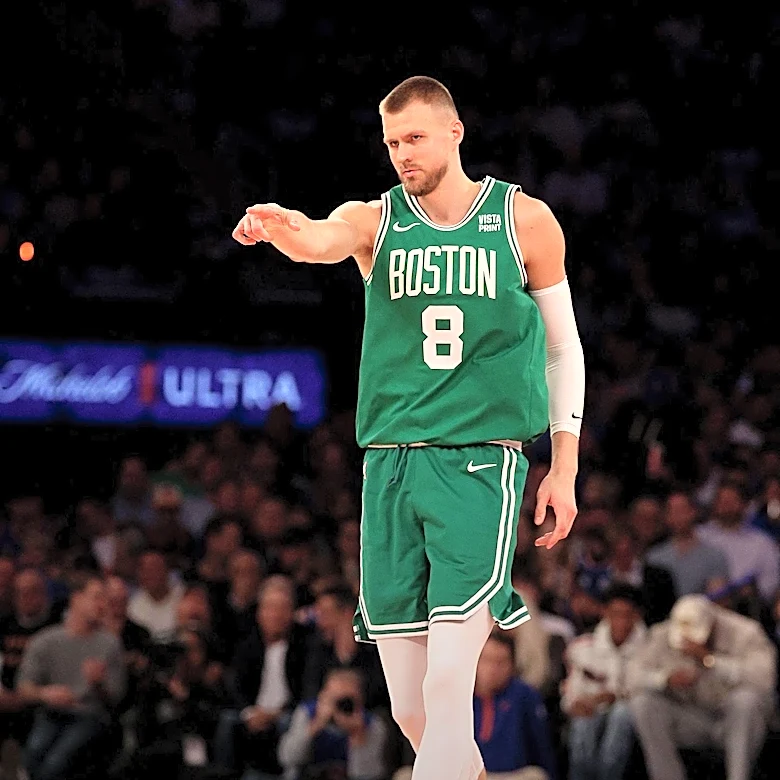
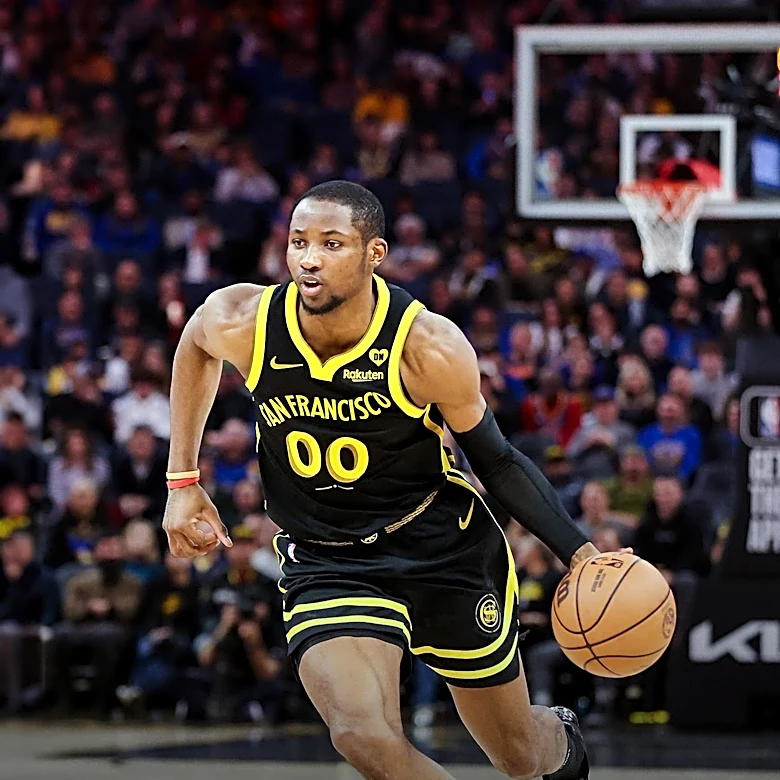
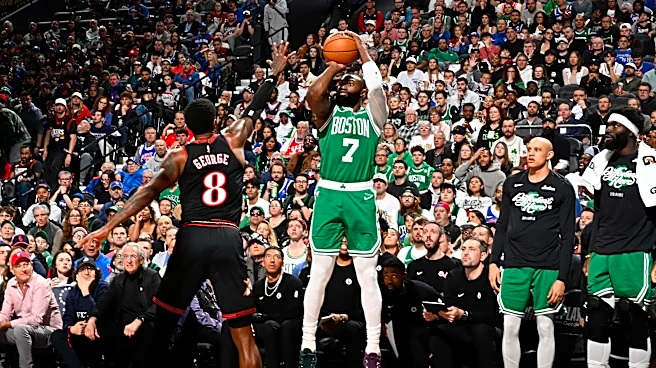
Jaylen Brown, a key player for the Boston Celtics, has been traded to the Philadelphia 76ers in a significant move that reshapes the NBA Eastern Conference. Brown, a five-time All-Star and the 2024 NBA Finals MVP, was traded in exchange for Paul George
and a package of future draft picks. This trade ends Brown's ten-year tenure with the Celtics, where he was a pivotal figure, contributing to a championship win and numerous playoff successes. Brown expressed feelings of disrespect in the way the trade was handled, highlighting the emotional challenges athletes face when business decisions lead to team changes.
Why It's Important?
The trade of Jaylen Brown to the 76ers is significant for both teams involved. For Philadelphia, acquiring Brown strengthens their roster, adding a player with extensive playoff experience and defensive versatility. This move signals an aggressive push towards the top of the Eastern Conference. For Boston, the trade marks the end of a successful era, raising questions about the team's future strategy without Brown, who was a cornerstone of their recent successes. The trade also highlights the emotional and personal challenges athletes face in professional sports, where business decisions can abruptly change their career paths.
What's Next?
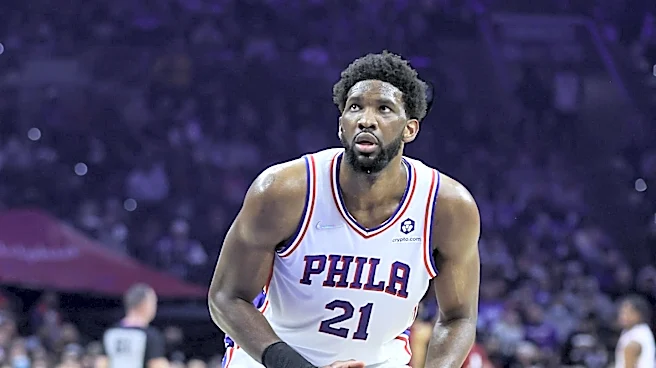
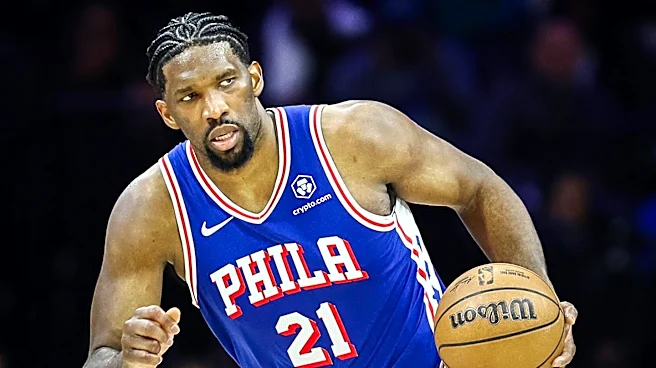
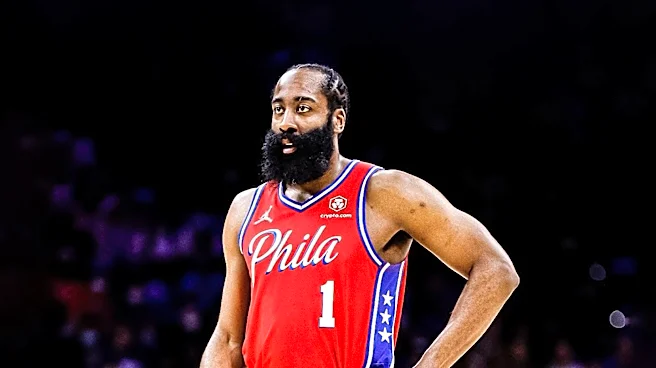
As Jaylen Brown joins the 76ers, his integration into the team will be closely watched, particularly how he adapts to playing alongside stars like Joel Embiid and Tyrese Maxey. For the Celtics, the focus will be on how they utilize the assets acquired in the trade, including Paul George and future draft picks, to rebuild and maintain competitiveness in the league. The trade's impact on team dynamics and performance will unfold in the upcoming NBA season, with both teams aiming to capitalize on their new rosters.
Beyond the Headlines
The trade not only affects team strategies but also touches on broader themes in professional sports, such as player loyalty, team identity, and the business aspects of sports management. Brown's public comments about feeling disrespected highlight the personal side of trades, where players' emotional ties to teams and cities are often overlooked in the business-driven decisions of sports franchises.