





What's Happening?
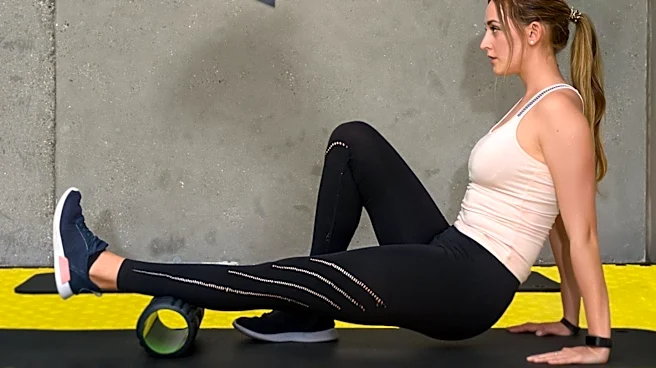
Foam rolling is a self-massage technique used for myofascial release and to address muscle knots. Research indicates that it can temporarily alleviate the effects of delayed onset muscle soreness (DOMS) and improve range of motion, particularly in muscles
like the quadriceps. Products such as the Foam Roller™ Deluxe by Merrithew are specifically designed for this purpose, featuring non-skid surfaces and various sizes to target different muscle groups. While foam rolling can provide immediate benefits, its effects on reducing tightness and improving flexibility are generally modest and short-lived, making it more of a preparatory tool than a long-term solution for muscle issues.
Why It's Important?
The widespread use of foam rolling highlights a growing public interest in accessible, at-home methods for muscle recovery and flexibility. For individuals engaged in physical activities, from casual exercisers to athletes, foam rolling offers a convenient way to manage post-exercise discomfort and enhance mobility without requiring professional intervention. This trend impacts the fitness and wellness industry, driving demand for related products and educational content. While not a cure-all, its role in warm-up routines and immediate post-activity relief can contribute to better exercise adherence and reduced perceived muscle stiffness, potentially lowering the barrier to consistent physical activity for many Americans.
What's Next?
As understanding of foam rolling's benefits and limitations evolves, consumers can expect to see continued innovation in product design, with features like varied densities and textures to target specific needs. Fitness professionals and physical therapists will likely continue to integrate foam rolling into recommended warm-up and cool-down routines, emphasizing its temporary nature and best practices for use. Educational resources will focus on combining foam rolling with other strategies, such as static stretching and strength training, for more comprehensive and lasting improvements in muscle health and flexibility. The market may also see an increase in guided foam rolling programs and apps to help users maximize its benefits.
Beyond the Headlines
Beyond its immediate physical benefits, the practice of foam rolling taps into a broader cultural shift towards self-care and proactive health management. It empowers individuals to take an active role in their physical well-being, fostering a sense of agency over their bodies and recovery processes. This self-reliance can be particularly impactful in a healthcare landscape where access to professional massage or physical therapy may be limited or costly. However, it also underscores the importance of accurate information to prevent misuse or over-reliance on a tool that offers temporary rather than curative effects, highlighting the need for a balanced approach to fitness and recovery.