


What's Happening?
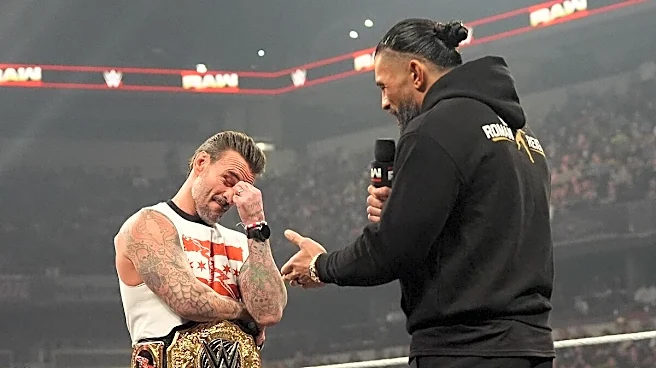
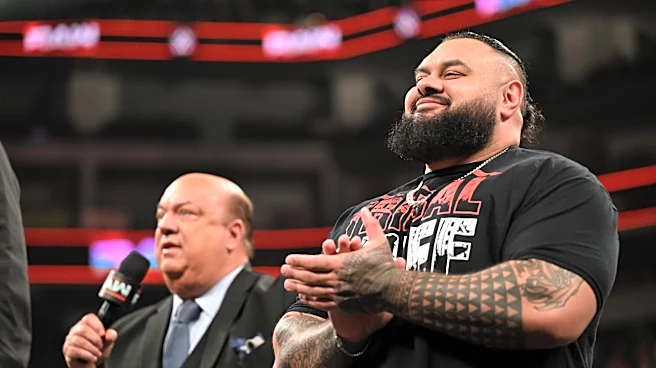
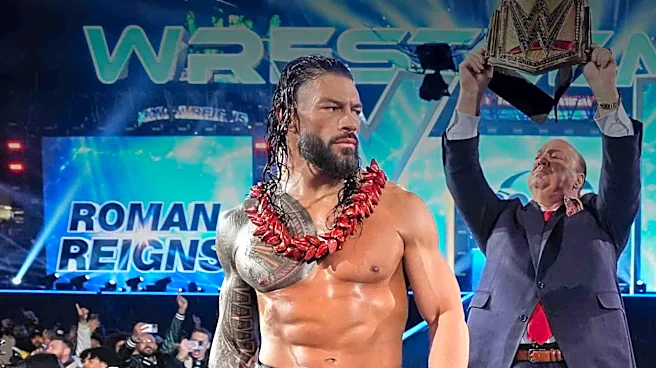
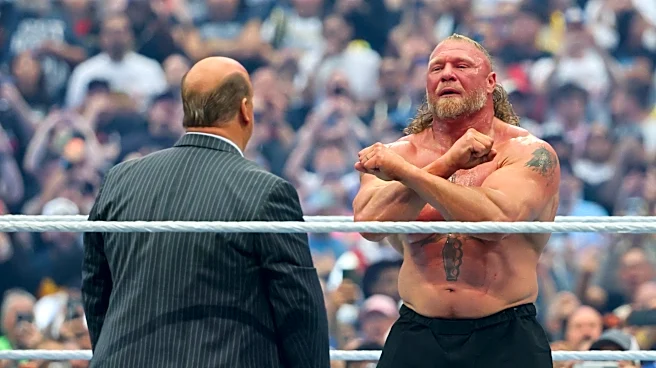
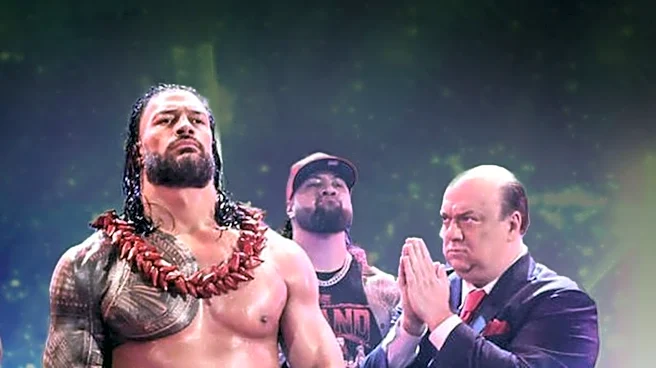
Paul Heyman, a prominent figure in WWE, has revealed the unique coaching methods he employed to help Roman Reigns develop his 'Tribal Chief' character. According to Heyman, who spoke in an interview with The Undertaker, he would frequently engage Reigns in phone
conversations where Reigns was required to speak in character as 'The Tribal Chief.' These weren't just for promotional purposes; Heyman encouraged Reigns to engage in everyday small talk, such as discussing his breakfast or taking his children to school, all while maintaining the persona. This immersive approach aimed to make Reigns so comfortable in the character that it became a natural extension of himself, blurring the lines between his real identity, Joe Anoa'i, and his on-screen role. Heyman's involvement with Reigns began in late August 2020, marking a significant transition for Reigns from his previous 'The Big Dog' character.
Why It's Important?
Heyman's coaching strategy highlights a significant aspect of character development in professional wrestling, emphasizing authenticity and immersion. By requiring Reigns to live and breathe the 'Tribal Chief' persona even off-camera, Heyman facilitated a deeper understanding and embodiment of the character. This approach is crucial in an industry where character believability directly impacts audience engagement and a performer's ability to connect with fans. The success of Reigns' 'Tribal Chief' character, widely considered the best work of his career, demonstrates the effectiveness of Heyman's methods. This transformation not only elevated Reigns to one of the biggest stars in wrestling but also showcased the value of dedicated character coaching in sports entertainment, influencing how future talents might be developed and presented to a global audience.
What's Next?
While Paul Heyman and Roman Reigns have since parted ways on-screen, the impact of Heyman's coaching is expected to have lasting effects on Reigns' career. Reigns continues to be a top-tier performer in WWE, and the foundation laid by Heyman's character development techniques will likely inform his future portrayals and interactions. The success of this collaboration may also inspire other wrestling talents and coaches to adopt similar immersive strategies for character building. The wrestling industry could see a shift towards more in-depth character work, moving beyond superficial portrayals to foster more authentic and compelling personalities. This could lead to a new generation of wrestlers who are more deeply connected to their on-screen personas, potentially enhancing the overall quality of storytelling and performance in professional wrestling.
Beyond the Headlines
The detailed account of Heyman's coaching offers a glimpse into the psychological and performative demands of professional wrestling. It underscores the idea that successful character portrayal goes beyond memorizing lines or executing moves; it requires a profound understanding and internalization of the persona. This process can be likened to method acting, where performers immerse themselves in their roles to achieve a higher level of authenticity. The ability to 'switch on' and 'switch off' a character, as Heyman described, is a critical skill that allows performers to maintain their personal lives while delivering compelling performances. This insight reveals the dedication and psychological effort involved in creating enduring characters in sports entertainment, highlighting the often-unseen work that contributes to a wrestler's success and legacy.