



What's Happening?
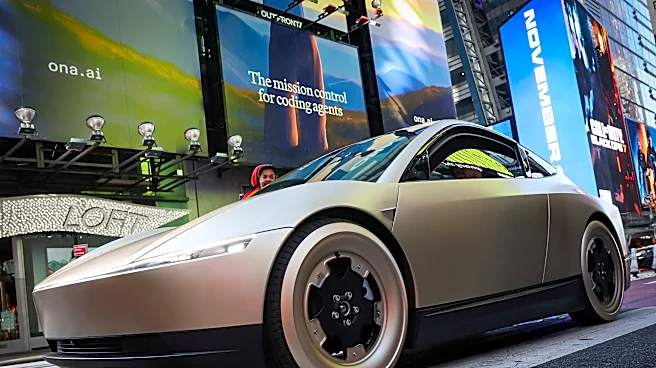
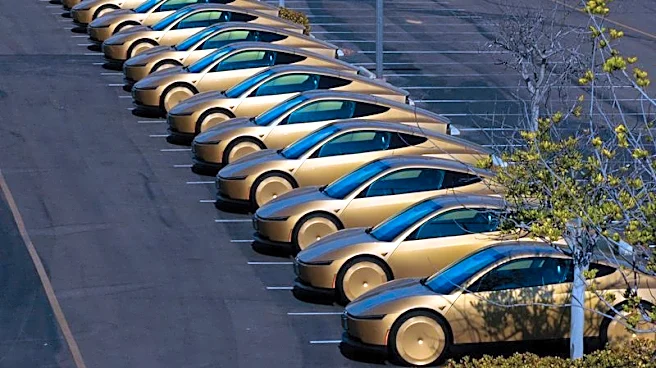
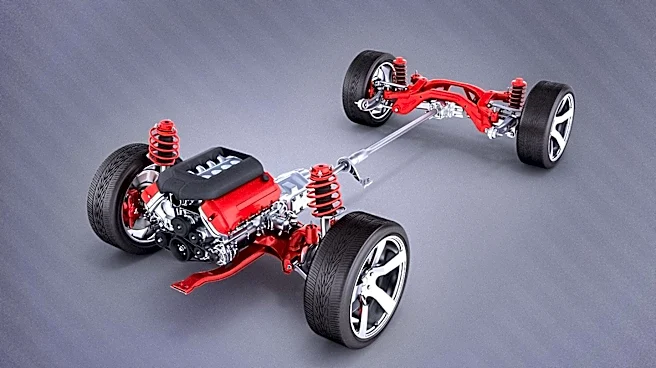
The Tesla Cybercab, also known as the Robotaxi, is designed with a novel brake-by-wire system that eliminates traditional hydraulic brake lines and a master cylinder. Instead of fluid-based braking, the Cybercab utilizes electro-mechanical braking (EMB),
where electronically controlled actuators apply braking force individually to each wheel's rotors. This system is a significant departure from conventional automotive braking, which typically relies on hydraulic fluid. Kyle Conner from Out of Spec Reviews provided a glimpse of a partially assembled Cybercab, confirming the absence of traditional brake components. While electro-hydraulic braking has been in production for years, the Cybercab's fully electric brake-by-wire system is a newer and less common technology in the automotive industry.
Why It's Important?
The implementation of an electro-mechanical brake-by-wire system in the Tesla Cybercab represents a potentially transformative shift in automotive engineering and safety. By eliminating hydraulic fluid, the system reduces complexity, weight, and potential points of failure associated with leaks or fluid degradation. This technology allows for precise, individual control over each wheel's braking force, which could enhance traction, stability, and overall vehicle control, especially in autonomous driving scenarios. For the automotive industry, this could set a new standard for braking systems, potentially influencing future designs across various vehicle types. However, the novelty of EMB also raises questions about long-term reliability, maintenance, and regulatory acceptance, particularly as the National Highway Traffic Safety Administration (NHTSA) has opened an investigation into the Cybercab's certification process.
What's Next?
The future of the Tesla Cybercab's brake-by-wire system will largely depend on the outcome of the NHTSA's investigation into its certification and safety. If the system proves reliable and safe under scrutiny, it could pave the way for wider adoption of electro-mechanical braking in other autonomous and conventional vehicles. Tesla will likely continue to refine the technology and address any regulatory concerns to facilitate mass production and deployment of the Cybercab. The success of this system could also spur other automotive manufacturers to accelerate their research and development into similar brake-by-wire technologies, potentially leading to a new industry standard. Conversely, any significant safety concerns or regulatory hurdles could delay its widespread implementation and prompt a re-evaluation of its design.
Beyond the Headlines
The Tesla Cybercab's brake-by-wire system delves into deeper implications concerning the future of transportation and the ethical considerations of autonomous technology. The move away from mechanical linkages to purely electronic controls in critical safety systems like braking raises questions about cybersecurity vulnerabilities and the potential for software malfunctions. As vehicles become increasingly reliant on complex electronic systems, the integrity and security of these systems become paramount. Furthermore, the concept of a vehicle designed for disposability, as suggested by its low-cost construction, challenges traditional notions of vehicle ownership and longevity, potentially ushering in a new era of mobility services where vehicles are treated more like appliances. This shift could have profound impacts on manufacturing processes, consumer expectations, and environmental sustainability, as the lifecycle and recyclability of such vehicles become critical considerations.