






What's Happening?
The AI Interior & Home Design app, available on Google Play, provides users with a suite of tools to visualize and plan home makeovers. This application allows individuals to explore various interior and exterior design concepts, offering features such
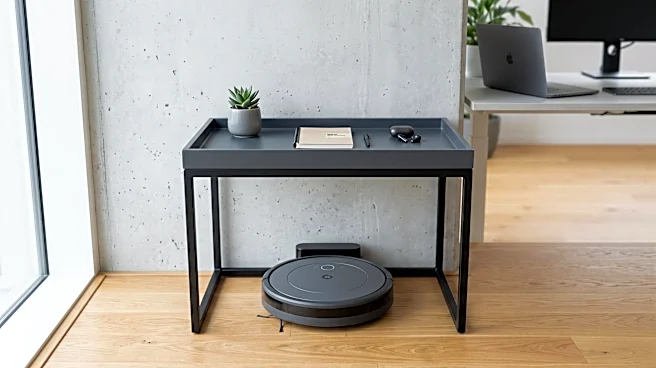
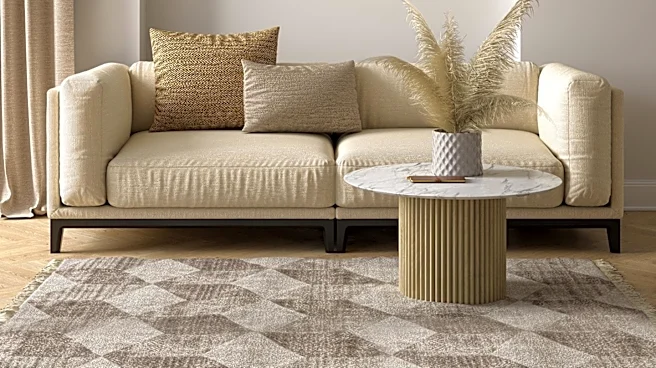
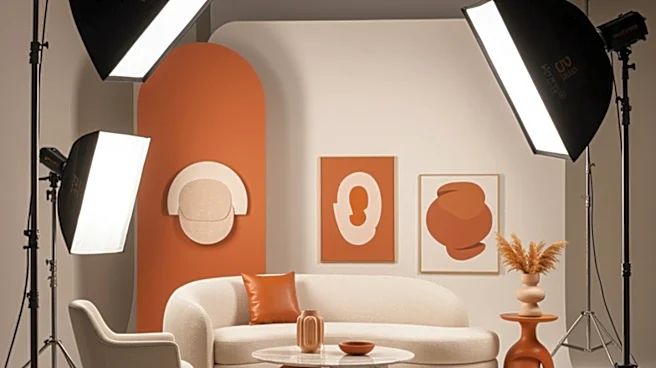
as room redesigns, style exploration, and the ability to change wall colors, floor designs, and object placements. Users can generate design ideas based on their preferred aesthetics, rearrange room layouts, and even visualize exterior and garden designs. The app aims to help users plan complete room makeovers or home renovations by allowing them to experiment with different looks and styles before making physical changes. It also includes functionalities to replace or remove objects from a space and explore design references for inspiration.
Why It's Important?
This development is important for the U.S. lifestyle and home improvement sectors, as it democratizes access to professional-grade design visualization tools. Homeowners and renters can now experiment with costly design decisions virtually, potentially saving time and money by avoiding mistakes. The app's comprehensive features, from interior decor to exterior landscaping, cater to a broad audience looking to personalize their living spaces. This technology could reduce the reliance on traditional interior designers for initial concept generation, empowering individuals to take a more active role in their home's aesthetic. Furthermore, it could stimulate the market for home goods and services by inspiring users with new design possibilities, leading to increased purchases of furniture, decor, and renovation materials.
What's Next?
The continued evolution of AI interior design tools is expected to bring more sophisticated features, potentially integrating augmented reality (AR) for real-time visualization within a user's home. Future updates might include more advanced material rendering, personalized style recommendations based on user preferences, and direct links to purchase products seen in the designs. The app could also expand its collaborative features, allowing users to share designs with family or professionals for feedback. As AI technology advances, these tools are likely to become even more intuitive and realistic, further blurring the lines between virtual planning and physical execution in home design. This could lead to a broader adoption of such apps as a standard first step in any home improvement project.
Beyond the Headlines
The rise of AI interior design tools like this app signifies a broader trend in consumer technology: the personalization and democratization of traditionally expert-driven services. This shift has ethical implications regarding the role of human designers, potentially leading to a redefinition of their services towards more complex, bespoke projects rather than initial conceptualization. Legally, there might be considerations around intellectual property for AI-generated designs and the liability for design flaws if users rely solely on the app's suggestions. Culturally, these tools could foster a greater appreciation for design among the general public, encouraging more people to engage with and understand aesthetic principles in their living environments, ultimately influencing broader design trends and consumer expectations for home aesthetics.