



What's Happening?
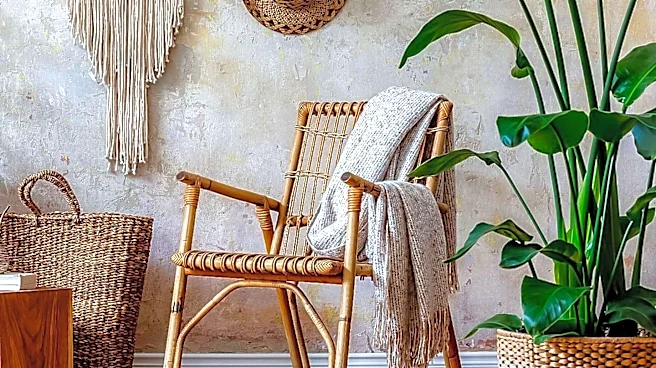
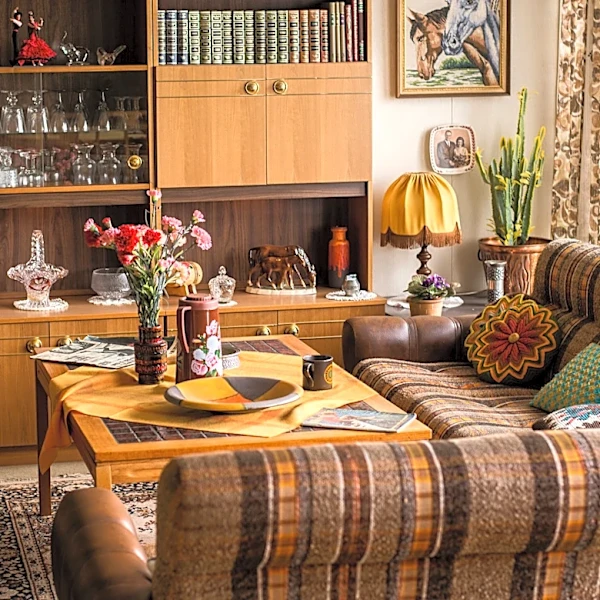
The trend of folklore-inspired interiors is gaining traction as people seek to infuse their homes with personality and a connection to nature. This aesthetic, characterized by hand-painted walls, vintage wooden furniture, and intricate floral decorations,
draws from ancient traditions and mythical stories. The style, often referred to as 'cottagecore with a witchy twist,' is rooted in the simplicity and honesty of folk culture. Artists like Cesca Dvorak, who draws on her Polish heritage, are creating home textiles that reflect these themes. Her work includes Polish Folk Dance prints and floral motifs, inspired by traditional Polish papercutting and dance costumes. This movement towards folklore aesthetics is seen as a response to the increasing digitalization of life, offering a retreat into a more grounded and nature-connected lifestyle.
Why It's Important?
The rise of folklore-inspired interiors reflects a broader cultural shift towards valuing authenticity and simplicity in a highly digital world. As people become more fatigued by constant digital engagement, there is a growing desire to create living spaces that offer a sense of escape and connection to nature. This trend not only influences interior design but also impacts consumer behavior, as individuals seek out artisanal and handcrafted items that embody these values. The movement also highlights a resurgence of interest in cultural heritage and traditional crafts, which can support local artisans and preserve cultural practices. By embracing folklore aesthetics, individuals are making a statement about their values and lifestyle choices, prioritizing personal expression and environmental consciousness.
What's Next?
As the trend of folklore-inspired interiors continues to grow, it is likely to influence other areas of design and consumer products. Designers and brands may increasingly incorporate folk elements into their offerings, catering to the demand for unique and meaningful home decor. This could lead to collaborations between artists and commercial brands, bringing traditional crafts to a wider audience. Additionally, as more people embrace this aesthetic, there may be a greater emphasis on sustainability and ethical production practices, aligning with the values of simplicity and honesty that underpin the folklore movement. The trend may also inspire a renewed interest in cultural heritage and storytelling, encouraging individuals to explore and celebrate their own cultural roots.