


What's Happening?
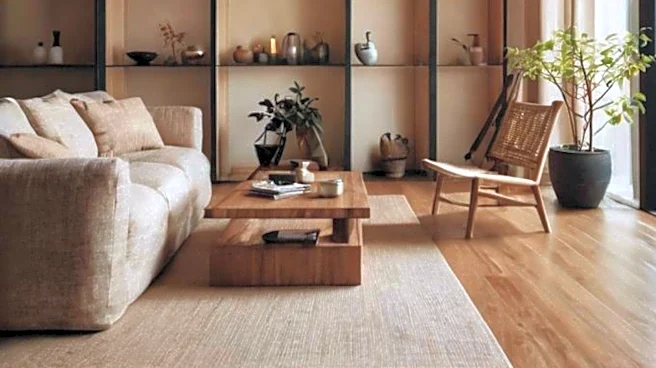
Traditional coffee tables are increasingly being replaced by side tables in home decor, driven by a growing preference for functionality, visual openness, and lightness in living spaces. This trend is particularly evident in smaller homes and apartments
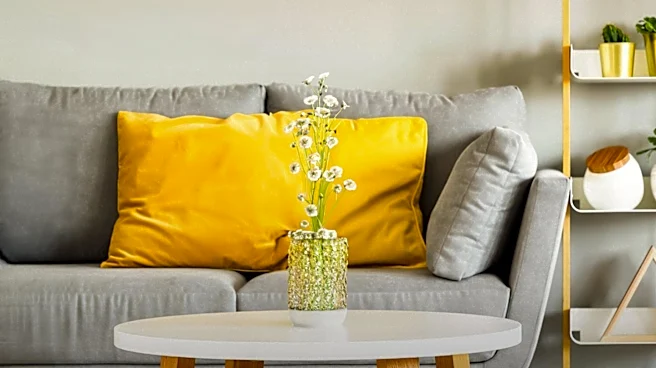
where optimizing space is crucial. Side tables offer a flexible alternative, allowing for smoother traffic flow and the utilization of different areas within a living room, unlike a fixed center coffee table. Options gaining traction include small side tables, nesting tables that can be separated or grouped, round side tables for softer lines, and tables made of wood, metal, or glass. Homeowners are incorporating these tables next to armchairs or sofas to provide surfaces for drinks, books, or decorative items without cluttering the room. The choice of material, such as warm wood or visually lighter glass, also plays a role in achieving desired aesthetic effects. This shift reflects a broader trend towards functional furniture that takes up less space and allows for adaptable layouts, a focus expected to continue into 2027.
Why It's Important?
This shift in furniture preference reflects evolving lifestyle trends and the increasing urbanization of the U.S., where smaller living spaces are becoming more common. The move towards side tables over traditional coffee tables signifies a prioritization of practicality and adaptability in home design. For consumers, this means more versatile living areas that can be easily reconfigured to suit different needs, enhancing the functionality of their homes. For the furniture industry, this trend presents an opportunity for innovation in design and materials, focusing on modularity, space-saving solutions, and diverse aesthetic options. Manufacturers and retailers will need to adapt their product offerings to meet this demand for flexible and visually lighter furniture. This trend also highlights a broader cultural movement towards decluttering and maximizing space, which can influence interior design philosophies and consumer purchasing habits across various home goods categories.
What's Next?
Looking ahead to 2027, the trend of favoring functional, space-saving furniture like side tables is expected to continue. This will likely lead to further innovation in furniture design, with an emphasis on modularity, multi-purpose pieces, and lightweight materials. Consumers can anticipate a wider variety of side table designs, including those that integrate smart home technology or offer unique storage solutions. The interior design industry will likely see more emphasis on flexible layouts and adaptable living spaces, with designers incorporating side tables as key elements to achieve visual openness and practicality. This trend may also influence the design of other furniture pieces, encouraging manufacturers to create collections that complement this minimalist and functional aesthetic. Retailers will likely adjust their merchandising strategies to highlight the versatility and space-saving benefits of side tables, catering to a growing market of urban dwellers and those seeking more adaptable home environments.
Beyond the Headlines
The preference for side tables over traditional coffee tables subtly reflects a deeper cultural shift towards efficiency and personalization in personal spaces. In an increasingly fast-paced world, individuals seek environments that can adapt to their changing needs, from remote work setups to social gatherings. The flexibility offered by side tables aligns with this desire for dynamic living. This trend also speaks to a growing consciousness about consumption and clutter, encouraging a more curated and intentional approach to home furnishings. Ethically, it promotes a move away from bulky, less adaptable furniture that might be discarded more readily, towards pieces that offer longevity and versatility. This could contribute to a more sustainable consumption pattern in the long run, as consumers invest in furniture that serves multiple purposes and can be easily integrated into different design schemes, reducing the need for frequent replacements. The emphasis on visual lightness also suggests a psychological desire for less oppressive and more open environments, fostering a sense of calm and spaciousness in daily life.