








What's Happening?
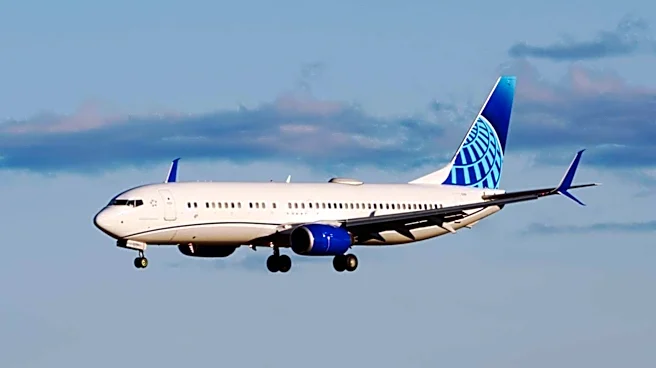
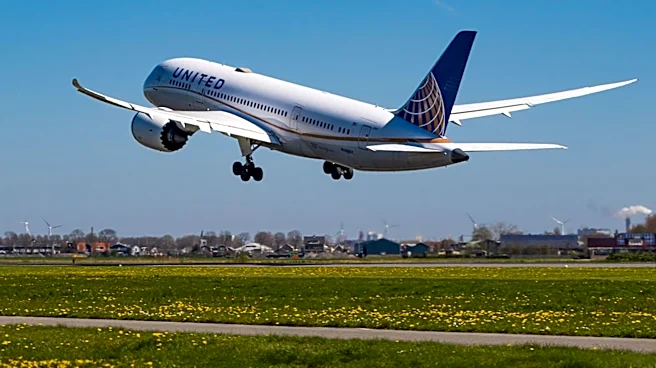
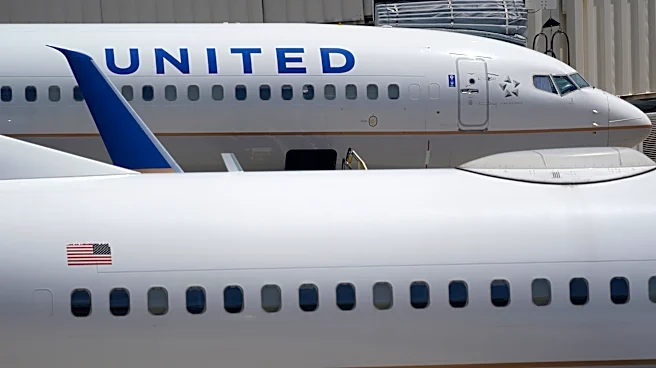
United Airlines has announced an expected $6 billion increase in fuel expenses for the year, driven by higher fuel prices. Despite this, the airline has managed to offset a significant portion of these costs through increased airfares and strong travel
demand. In the second quarter, United reported a profit of $805 million and a total operating revenue of $17.7 billion, marking a 16% increase from the previous year. The airline anticipates recovering 80% to 90% of the additional fuel costs in the third quarter.
Why It's Important?
The ability of United Airlines to offset rising fuel costs through higher fares and robust demand underscores the resilience of the travel industry. This development highlights the airline's strategic pricing adjustments and operational efficiency in managing external cost pressures. The situation also reflects broader economic trends, where consumer demand remains strong despite inflationary pressures. The airline's financial performance could influence investor confidence and impact future industry pricing strategies.
What's Next?
Looking ahead, United Airlines may continue to adjust its pricing strategies to manage ongoing fuel cost challenges. The airline's ability to maintain profitability will depend on sustained travel demand and effective cost management. Additionally, the industry may see further consolidation or strategic partnerships as airlines seek to optimize operations and enhance competitiveness. Stakeholders will be closely monitoring economic indicators and consumer behavior to anticipate future market dynamics.