



What's Happening?
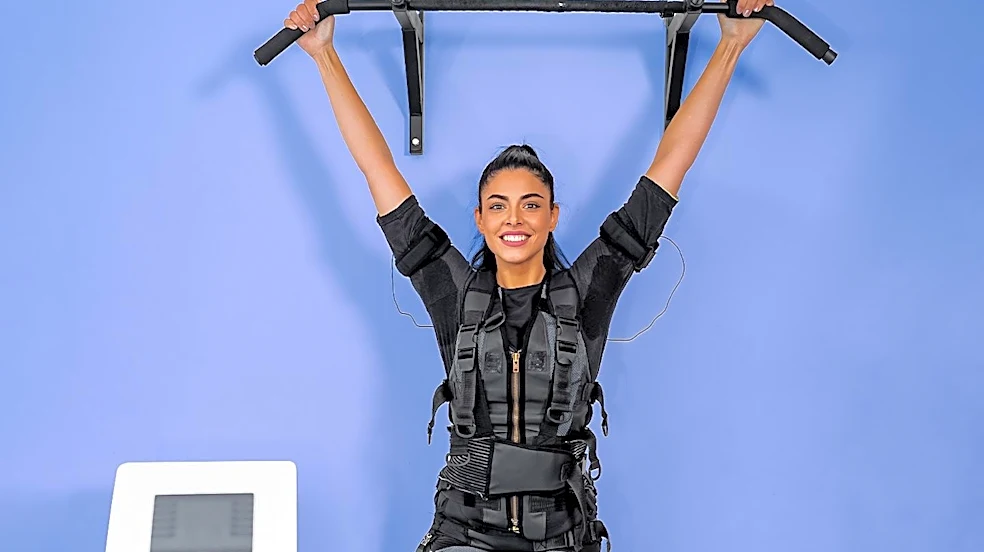
Freeletics has partnered with Antelope (by Beurer) to launch nine new Electrical Muscle Stimulation (EMS) workouts within the Freeletics app. These on-demand workouts are designed to intensify traditional bodyweight exercises by delivering controlled
electrical impulses that stimulate muscles, enhancing contraction during each repetition. The new programs are categorized into Core, Upper Body, Lower Body, and Full Body, and are available in Beginner, Intermediate, and Advanced levels, catering to a wide range of fitness enthusiasts. The EMS technology, while seemingly new to the fitness scene, has a long history of use in clinical settings for physical rehabilitation, where it's known as NMES, to help patients rebuild strength after injuries or surgeries. The integration of EMS with Freeletics' signature bodyweight exercises aims to provide a more challenging and efficient workout experience, allowing users to achieve more in less time.
Why It's Important?
This development is significant for the fitness industry as it merges established bodyweight training principles with advanced EMS technology, offering a new avenue for individuals seeking to maximize workout efficiency and intensity. For consumers, it provides an option to enhance their home workout routines without necessarily increasing the duration of their sessions. The availability of varied difficulty levels makes it accessible to a broad audience, from beginners to advanced athletes. The emphasis on intensifying existing movements rather than replacing them highlights a trend towards optimizing current fitness practices. This could lead to increased adoption of hybrid training methods, potentially influencing how fitness programs are designed and marketed, and offering a competitive edge to companies that can effectively integrate technology into traditional exercise forms.
What's Next?
Users interested in these new EMS workouts will need to acquire an Antelope Evolution EMS suit to utilize the full potential of the programs. Freeletics will continue to offer these workouts through its app, with instructions on how to integrate the EMS suit into training. The company anticipates that this will allow users to 'level up' their fitness by adding an extra layer of stimulation to their existing bodyweight routines. The success of this integration could pave the way for further collaborations between fitness platforms and wearable technology companies, potentially leading to more personalized and technologically advanced workout solutions in the future. The focus will likely remain on demonstrating the effectiveness and safety of combining EMS with bodyweight training to encourage broader adoption.
Beyond the Headlines
The introduction of EMS-enhanced bodyweight workouts touches upon deeper implications regarding the future of personalized fitness and the role of technology in physical training. It raises questions about the accessibility of such advanced tools, as the requirement for a specialized EMS suit adds an additional cost barrier. Furthermore, while the technology has clinical roots, its widespread use in general fitness settings could prompt discussions around proper usage, potential risks, and the need for qualified guidance to prevent misuse or injury. This trend also highlights a shift towards 'smarter' workouts, where technology is used to optimize physiological responses, potentially leading to a re-evaluation of traditional training methodologies and the development of new fitness paradigms that blend physical effort with technological augmentation.