






What's Happening?
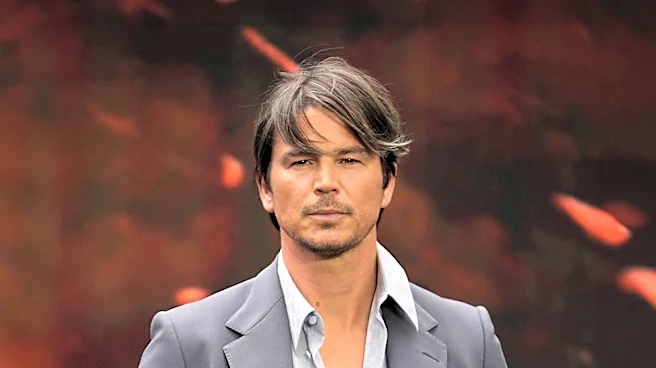
In 2003, actor Josh Hartnett declined a lucrative offer of approximately $100 million to portray Superman in a multi-picture deal. Hartnett explained his decision by stating he did not want to be 'branded for life' as the iconic superhero. He expressed
a desire to pursue a long-term acting career with diverse roles, rather than being perpetually identified with a single character. This rejection came after his experience with Michael Bay's 'Pearl Harbor,' which solidified his reluctance to engage in big-budget, effects-driven blockbusters. Hartnett's decision prioritized artistic freedom and career longevity over significant financial gain, a stance he publicly confirmed in April 2006, two months before the release of Bryan Singer's 'Superman Returns,' where Brandon Routh ultimately took on the role.
Why It's Important?
Hartnett's decision highlights a recurring challenge for actors in Hollywood: balancing financial opportunities with artistic integrity and career trajectory. Accepting a role like Superman, while offering immense financial rewards and global recognition, often leads to typecasting, where an actor becomes synonymous with a single character. This can limit future opportunities for diverse roles and creative expression, potentially hindering a long-term career in varied genres. His choice underscores the value some actors place on artistic development and the ability to explore different characters, even at the cost of a nine-figure payday. This perspective offers insight into the pressures and strategic choices actors face in an industry often driven by commercial success and franchise potential.
What's Next?
While Hartnett's decision was made two decades ago, its implications continue to resonate in the careers of actors who take on iconic superhero roles. The ongoing debate about typecasting and its impact on an actor's career remains relevant, particularly with the proliferation of cinematic universes. Future actors cast in major franchise roles will likely continue to weigh the benefits of immense fame and wealth against the potential for being pigeonholed. The industry may see more actors, inspired by figures like Hartnett, strategically choosing roles that allow for greater versatility, or negotiating contracts that provide more flexibility for other projects. The long-term success of actors like Henry Cavill and David Corenswet, who have also portrayed Superman, will continue to be observed as case studies in navigating such high-profile roles.
Beyond the Headlines
Hartnett's rejection of the Superman role touches upon deeper themes within the entertainment industry regarding artistic control versus commercialism. His choice reflects a broader philosophical stance against becoming a 'commodity' in the Hollywood machine. This decision challenges the conventional wisdom that actors should always pursue the most financially rewarding opportunities. It also brings to light the psychological impact of fame and the desire for a career that is not solely defined by one role. The 'Superman curse,' a perceived phenomenon where actors who play the character struggle to find similar success afterward, adds another layer to Hartnett's foresight. His actions suggest a conscious effort to maintain a sense of self and professional identity beyond the confines of a single, globally recognized character, influencing how actors might approach similar career-defining choices.