



What's Happening?
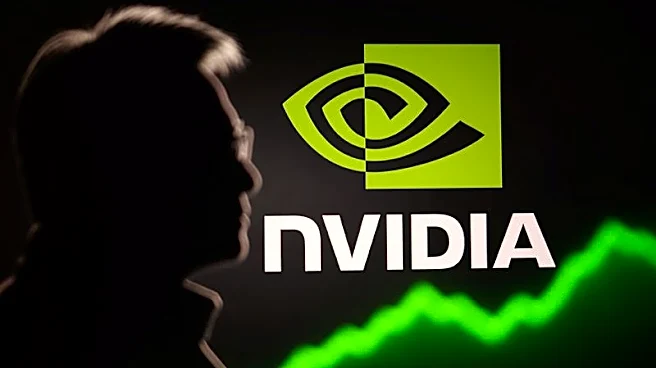
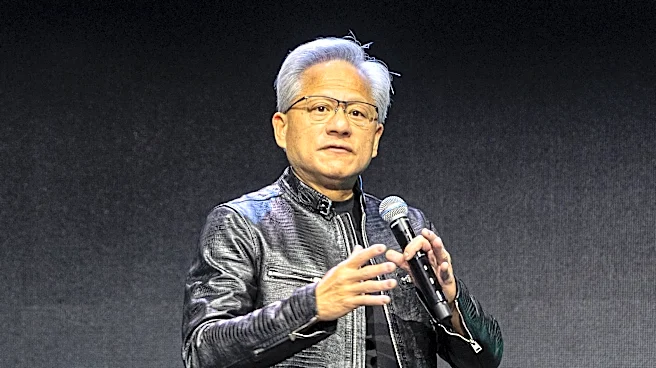
Ben Reitzes, head of technology research at Melius, appeared on CNBC's 'Squawk on the Street' to discuss key developments concerning Nvidia. The primary topics of discussion included Jensen Huang's reinstatement as Nvidia's CEO and potential areas of concern regarding
the company's future growth. Reitzes provided his expert analysis on the implications of Huang's return, offering insights into how this leadership change might influence Nvidia's strategic direction and market performance. He also delved into specific challenges and opportunities that could impact Nvidia's trajectory in the technology sector, particularly within the context of its core businesses and emerging markets. The interview aimed to provide viewers with a comprehensive understanding of Nvidia's current standing and its prospects moving forward, as viewed by a leading technology analyst.
Why It's Important?
Nvidia is a critical player in the U.S. technology sector, particularly in areas like artificial intelligence, gaming, and data centers. Jensen Huang's leadership has been instrumental in the company's success and innovation. His reinstatement as CEO signals a potential reaffirmation of Nvidia's strategic path or a pivot to address new market dynamics. Reitzes' analysis is important for investors, industry stakeholders, and technology enthusiasts as it sheds light on the factors that could drive or hinder Nvidia's growth. Any significant shifts in Nvidia's performance or strategy can have ripple effects across the broader technology ecosystem, impacting supply chains, competitive landscapes, and investment trends. Understanding the 'concern areas' highlighted by Reitzes can help stakeholders anticipate market movements and adjust their strategies accordingly, influencing investment decisions and competitive positioning within the tech industry.
What's Next?
Following Jensen Huang's reinstatement, market observers will closely watch Nvidia's upcoming product announcements, financial reports, and strategic partnerships for indications of the company's future direction. Reitzes' insights suggest that investors should pay attention to specific growth drivers and potential headwinds identified during his CNBC interview. Nvidia's performance in key segments like AI accelerators, professional visualization, and automotive platforms will be under scrutiny. Any strategic adjustments under Huang's renewed leadership could lead to shifts in market share, competitive responses from rivals like AMD and Intel, and potential impacts on the broader semiconductor industry. Future earnings calls and investor presentations will likely provide more clarity on how Nvidia plans to address the growth concerns and capitalize on emerging opportunities in the rapidly evolving technology landscape.
Beyond the Headlines
The discussion around Nvidia's growth and leadership extends beyond immediate financial performance, touching upon the broader implications for technological innovation and U.S. competitiveness. Nvidia's advancements in AI and high-performance computing are foundational to numerous emerging technologies, from autonomous vehicles to advanced scientific research. Any challenges to Nvidia's growth could therefore impact the pace of innovation in these critical fields. Furthermore, the stability of leadership, as exemplified by Huang's return, often reflects investor confidence and long-term strategic vision, which are crucial for maintaining a competitive edge in the global technology race. The 'concern areas' mentioned by Reitzes might also hint at broader industry trends, such as increased competition, supply chain vulnerabilities, or evolving regulatory landscapes, which could affect other U.S. tech giants. This makes Nvidia's trajectory a bellwether for the health and direction of the wider U.S. technology sector.