






What's Happening?
The 'clean beauty' movement, emphasizing nature-driven and authentic ingredients in skincare and haircare, is gaining significant traction in the U.S. However, there is no single legal definition for 'clean' in cosmetics within the United States. This
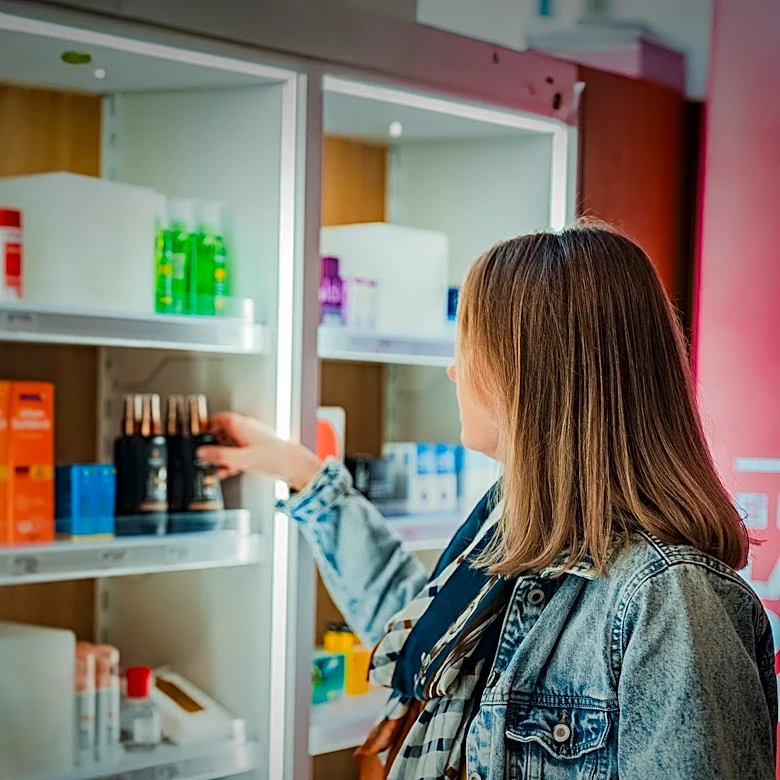
absence of a standardized definition means that each retailer, brand, and certifier establishes its own criteria for what constitutes 'clean.' For instance, Credo Beauty, a prominent retailer, curates brands under its 'Clean Standard,' which mandates screening products against a list of approximately 2,700 excluded ingredients. Similarly, Target has expanded its 'Clean' icon to nearly 4,000 beauty products that are biodegradable and free of dyes, parabens, and GMOs. This fragmented landscape requires consumers to navigate various definitions and ingredient lists, as an ingredient's exclusion does not always correlate with its real-world risk, and 'natural' does not automatically equate to gentleness or safety for all skin types.
Why It's Important?
The lack of a unified definition for 'clean beauty' has significant implications for both consumers and the beauty industry. For consumers, it creates confusion and necessitates extensive research to understand what they are purchasing, especially for those with sensitive skin or specific ingredient concerns. The term 'clean' can be perceived as a marketing tool rather than a clear indicator of product safety or efficacy, leading to potential distrust. For brands, the absence of a universal standard means they must align with various retailer-specific requirements, which can complicate product development, labeling, and market entry. This also allows for a wide range of interpretations, potentially leading to 'greenwashing' where products are marketed as clean without substantial adherence to strict, universally recognized guidelines. The U.S. market, characterized by high consumer awareness and demand for natural products, could benefit from clearer regulatory frameworks to foster greater transparency and consumer confidence.
What's Next?
In the absence of federal regulation, the clean beauty market will likely continue to be shaped by individual retailer standards and consumer advocacy. Retailers like Credo Beauty and Target will likely continue to refine and promote their proprietary 'clean' standards, influencing brands to formulate products that meet these specific criteria. This could lead to a de facto industry standard emerging from leading retailers, even without government oversight. Consumers are expected to become more discerning, demanding greater transparency from brands regarding ingredient sourcing and formulation. Industry groups may also push for self-regulatory guidelines to bring more consistency to the 'clean beauty' label. The ongoing growth in demand for natural and sustainable skincare solutions will likely drive further innovation in plant-based and biotechnologically derived ingredients, with brands investing in R&D to differentiate themselves through efficacy and eco-credentials.
Beyond the Headlines
The 'clean beauty' phenomenon extends beyond mere ingredient lists, touching upon broader ethical and philosophical considerations within the beauty industry. The emphasis on 'natural' ingredients often overlooks the environmental impact of sourcing and processing these components, as well as the potential for natural substances to cause allergic reactions. This raises questions about the true sustainability and safety of some 'clean' products. Furthermore, the movement highlights a growing consumer desire for authenticity and transparency from corporations, reflecting a broader societal shift towards conscious consumption. The lack of a legal definition also underscores the challenges of regulating rapidly evolving consumer trends in a way that protects consumers without stifling innovation. This ongoing debate could eventually prompt legislative action to establish clearer guidelines, similar to regulations in other consumer goods sectors, to ensure that marketing claims align with product realities.