



What's Happening?
When the skin's outermost layer, known as the skin barrier, is disrupted, it can lead to increased water loss and heightened vulnerability to irritation. This disruption often manifests as dryness, flaking, roughness, tightness, and stinging. To repair
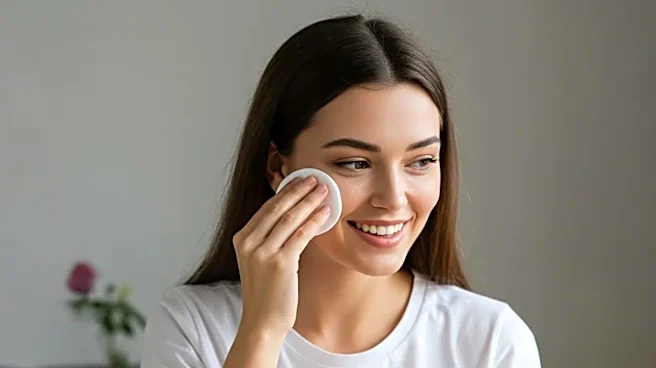
a compromised skin barrier, a gentle and simplified skincare approach is recommended. This involves removing potential irritants, such as nonessential exfoliating acids, scrubs, and harsh cleansing brushes. Cleansing should be mild, using fragrance-free cleansers, lukewarm water, and fingertips, followed by patting the skin dry. The goal is to achieve comfortable skin rather than a 'squeaky-clean' feeling, which can indicate over-stripping. Moisturizers should be chosen carefully, focusing on ingredients that attract and hold water (humectants like glycerin, hyaluronic acid), soften skin (emollients like squalane, cetyl alcohol), reduce water escape (occlusives like petrolatum, dimethicone), and replenish barrier components (barrier lipids like ceramides, cholesterol).
Why It's Important?
The health of the skin barrier is paramount for protecting the body from external aggressors and maintaining hydration. A damaged barrier can lead to chronic skin sensitivity, discomfort, and a heightened risk of various skin conditions. In the U.S., where consumers are exposed to a wide array of skincare products and environmental stressors, understanding how to repair and maintain the skin barrier is crucial for public health and well-being. The emphasis on gentle care and specific ingredient types empowers individuals to make informed choices that support their skin's natural functions. This approach can reduce reliance on more aggressive treatments and prevent the escalation of minor irritations into more severe issues, ultimately leading to healthier skin and improved quality of life for those affected by sensitive or compromised skin.
What's Next?
Individuals with a compromised skin barrier should prioritize protecting their skin during recovery. This includes using a broad-spectrum, water-resistant mineral sunscreen with SPF 30 or higher, containing zinc oxide and/or titanium dioxide, which are suitable for sensitive skin. Seeking shade, wearing sun-protective clothing, and avoiding unnecessary friction are also important. In dry environments, a regularly cleaned humidifier can help. Recovery time varies depending on the cause and ongoing exposure to irritants. It is important to be cautious of products that promise quick fixes. If symptoms are persistent or worsening, or if there are painful cracks, weeping, crusting, or spreading redness, professional medical care should be sought, as these may indicate conditions like eczema, allergy, or infection that require specific medical interventions beyond standard skincare.
Beyond the Headlines
The focus on repairing the skin barrier extends beyond individual skincare routines to influence product development and consumer education within the beauty industry. There's a growing recognition that 'more is not always better' in skincare, leading to a demand for simpler, more effective formulations that respect the skin's natural biology. This shift encourages brands to prioritize ingredients that support barrier function and to educate consumers on the importance of gentle care. Ethically, this movement promotes a more responsible approach to skincare, moving away from harsh treatments that can inadvertently damage the skin. It also highlights the interconnectedness of skin health with environmental factors and lifestyle choices, fostering a holistic view of well-being that impacts how products are marketed and how consumers approach their daily routines.