




What's Happening?
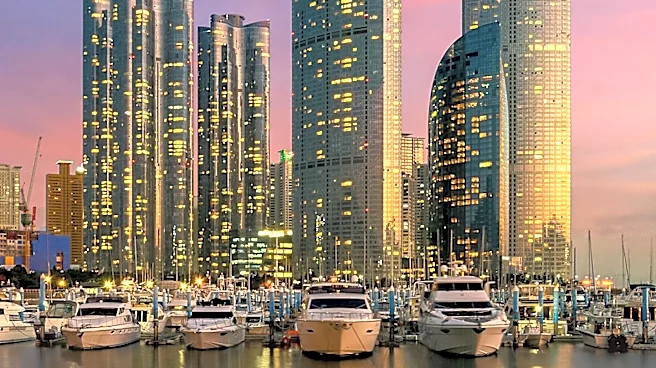
The World Customs Organization (WCO), the sole intergovernmental body dedicated to customs matters, has announced its 2027 WCO Technology Conference & Exhibition. The event is scheduled to take place in Songdo, Republic of Korea, from March 9 to 11, 2027.
In addition to this upcoming conference, the WCO recently published a study focusing on the origin determination of remanufactured and recycled goods. This study identified deficiencies in the origin-related provisions within existing free trade agreements and put forth recommendations aimed at facilitating the unlocking of lower tariffs for these types of goods. The WCO is recognized globally as the authoritative voice for the customs community, actively working to establish global standards, streamline and harmonize customs procedures, enhance trade supply chain security, and promote international trade facilitation. Its mandate also includes enforcement and compliance activities, initiatives against counterfeiting and piracy, fostering public-private partnerships, advocating for integrity, and developing sustainable global customs capacity-building programs. Furthermore, the organization is responsible for maintaining the international Harmonized System goods nomenclature and managing the technical aspects of the World Trade Organization (WTO).
Why It's Important?
The WCO's announcement of its 2027 Technology Conference underscores the increasing importance of technological advancements in customs operations globally. This event will likely serve as a critical platform for discussing and showcasing innovations that can enhance efficiency, security, and compliance in international trade, directly impacting U.S. businesses involved in global supply chains. The study on remanufactured and recycled goods is particularly significant for U.S. industries engaged in circular economy practices. By highlighting gaps in free trade agreements regarding the origin of these goods, the WCO is addressing a barrier that can prevent U.S. companies from benefiting from lower tariffs. Improved clarity and recommendations in this area could lead to more favorable trade conditions, reducing costs for businesses that import or export remanufactured and recycled products. This initiative supports sustainability efforts and could provide a competitive advantage for U.S. companies that prioritize environmentally friendly production and consumption models. The WCO's broader role in harmonizing customs procedures and ensuring trade security also directly benefits U.S. economic stakeholders by creating a more predictable and secure global trading environment.
What's Next?
Following the announcement, preparations for the 2027 WCO Technology Conference & Exhibition in Songdo, Republic of Korea, will commence, involving detailed planning for agenda, speakers, and exhibitors. This conference is expected to attract customs officials, technology providers, and trade experts from around the world, including the U.S., to discuss and collaborate on future customs technologies and strategies. The WCO's study on remanufactured and recycled goods is likely to prompt further discussions and potential policy adjustments among member countries, including the U.S., regarding free trade agreements. Stakeholders, including U.S. trade representatives and industry associations, may review the study's recommendations to advocate for changes that could facilitate trade in these goods. This could lead to amendments in existing trade agreements or the development of new provisions that better accommodate the unique characteristics of remanufactured and recycled products, potentially unlocking lower tariffs and fostering more sustainable trade practices. The WCO will continue its work on global standards and capacity building, with ongoing efforts to enhance trade facilitation and security.
Beyond the Headlines
The WCO's focus on technology and the origin of remanufactured goods points to deeper shifts in global trade and customs. The emphasis on technology, particularly through the 2027 conference, highlights the accelerating digital transformation within customs administrations worldwide. This transformation is not merely about efficiency but also about enhancing data analytics, risk management, and combating illicit trade, which has significant implications for national security and economic integrity. The study on remanufactured and recycled goods reflects a growing global recognition of the circular economy and sustainability. As environmental concerns become more central to international policy, the classification and tariff treatment of these goods will be crucial. This initiative could set precedents for how international trade frameworks adapt to support sustainable practices, potentially influencing future trade agreements and environmental regulations. For the U.S., these developments could lead to a re-evaluation of domestic policies and trade strategies to align with evolving global standards, fostering both economic growth and environmental stewardship. The WCO's role in these areas underscores the complex interplay between trade, technology, and sustainability on a global scale.