




What's Happening?
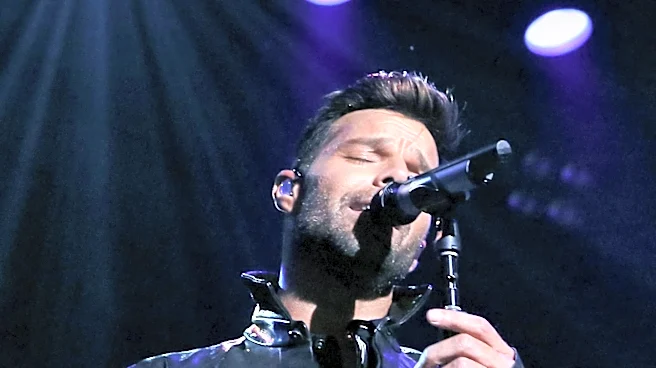
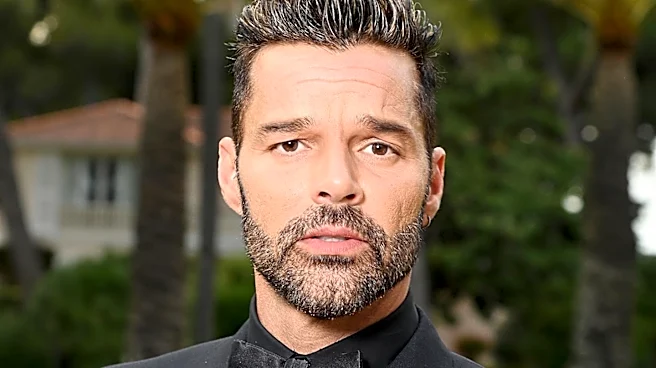
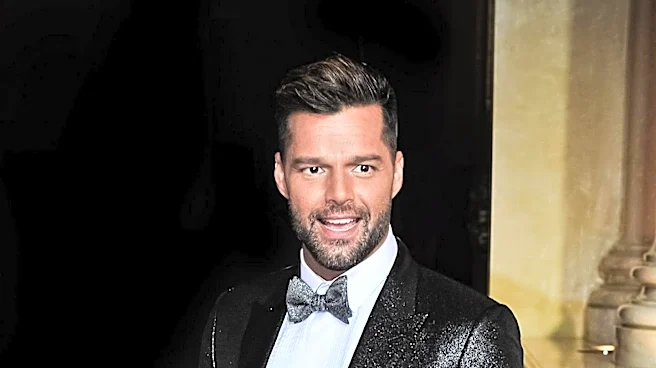
Singer Ricky Martin recently disclosed details about a severe health crisis he experienced after contracting COVID-19. During an interview on a radio show hosted by Enrique Santos and Dayanara Torres, Martin revealed that his case was so serious he spent
50 days bedridden, unable to perform basic functions like getting up to use the bathroom. He described feeling close to death on multiple occasions and chose to remain at home rather than go to a hospital, fearing intubation. This harrowing experience, though not the first time he has alluded to it, has now been shared in greater detail, highlighting the extreme challenges he faced during his illness. Martin emphasized that this period of intense suffering ultimately led to a profound sense of gratitude and a renewed appreciation for life.
Why It's Important?
Ricky Martin's candid revelation about his near-fatal battle with COVID-19 underscores the severe and unpredictable nature of the virus, even years after its initial widespread impact. His experience highlights the psychological and physical toll the pandemic took on individuals, particularly those who faced critical illness outside of hospital settings due to fear or other factors. For the public, his story serves as a powerful reminder of the importance of health and the fragility of life, potentially encouraging continued vigilance regarding health precautions. For the entertainment industry, it sheds light on the personal struggles artists faced during a global crisis, often behind the scenes, and how these experiences can shape their perspectives and artistic output. His message of gratitude could resonate widely, promoting a focus on mental well-being and appreciation for everyday life.
What's Next?
Following his public disclosure, Ricky Martin's story may prompt further discussions about the long-term impacts of COVID-19 on individuals' health and mental well-being. His renewed sense of purpose and gratitude could influence his future music and public appearances, potentially leading to more introspective or socially conscious themes in his work. The interview may also encourage other public figures to share their own health struggles, contributing to a broader conversation about vulnerability and resilience. For his fans, this revelation offers a deeper understanding of the artist's personal journey and the challenges he has overcome, potentially strengthening their connection to his music and message. His emphasis on gratitude might also inspire charitable endeavors or advocacy related to health and recovery.
Beyond the Headlines
Ricky Martin's account delves into the deeper psychological and existential shifts that can occur after a life-threatening illness. His decision to avoid hospitalization due to fear of intubation reflects a broader public sentiment and distrust that emerged during the pandemic, highlighting the complex interplay between medical advice, public perception, and personal autonomy. The profound gratitude he now expresses speaks to a common human experience of re-evaluating priorities after facing mortality. This narrative transcends a mere health update, touching upon themes of resilience, the search for meaning, and the re-affirmation of one's life purpose. It also subtly critiques the societal pressures on public figures to maintain an image of invincibility, revealing the shared human vulnerability that connects everyone, regardless of celebrity status.