


What's Happening?
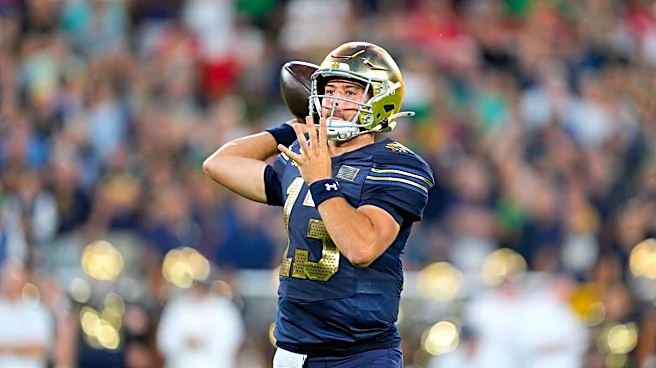
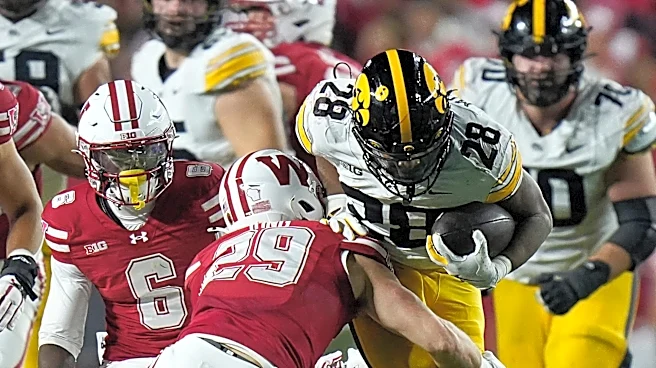
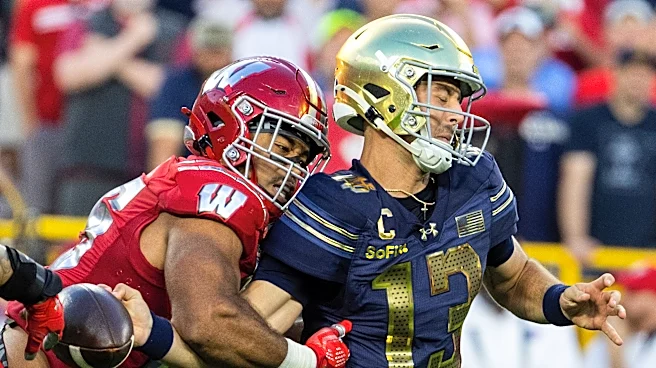
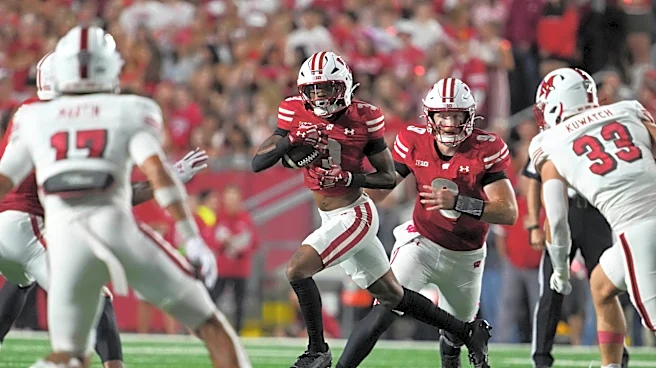
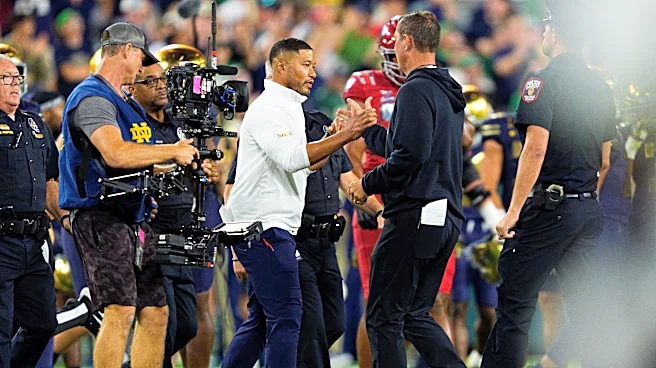
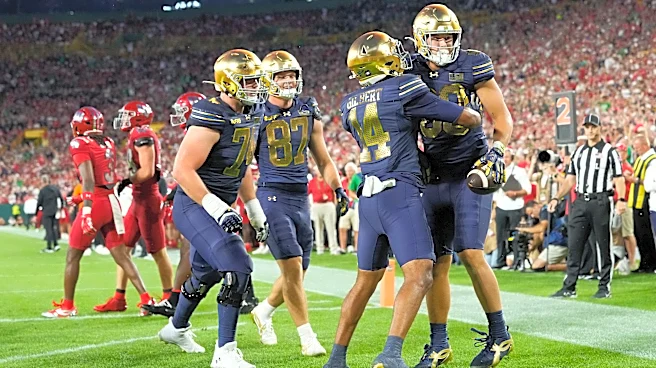
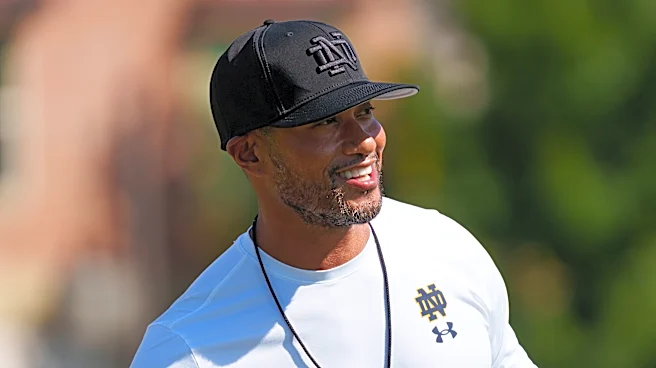
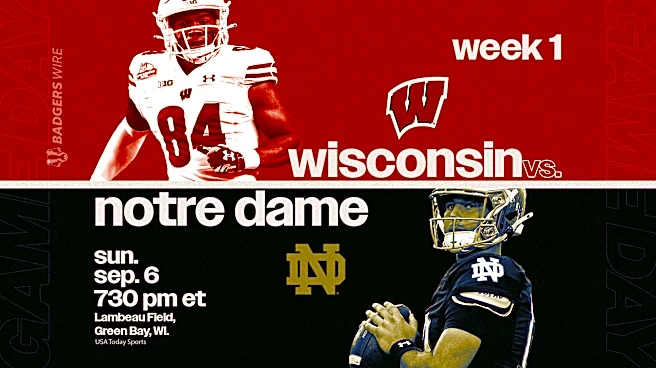
On Sunday, the Notre Dame Fighting Irish secured a decisive 41-13 victory over the Wisconsin Badgers at Lambeau Field. Following the game, head coach Marcus Freeman addressed the media in a postgame press conference, with Irish Illustrated in attendance.
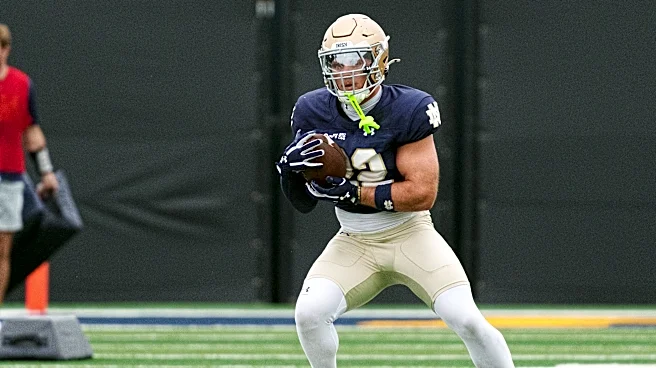
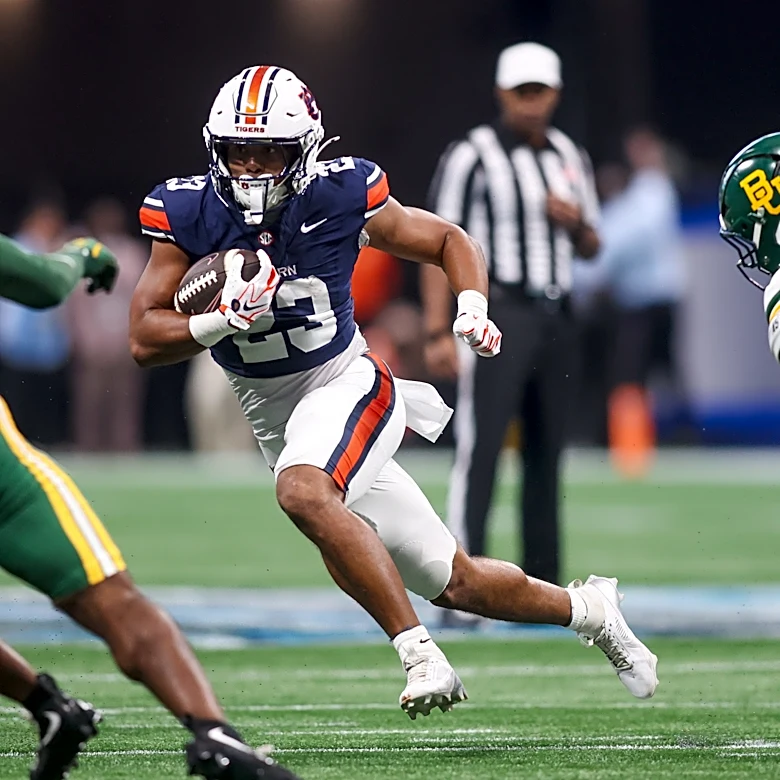
Freeman emphasized that he instructed his team to set aside pre-game expectations and focus on executing their game plan without significant errors, such as penalties. He noted that once the team adopted this approach, they gained control of the contest. While acknowledging that the Badgers had some success against Notre Dame's man-to-man defense, Freeman stressed the need for more sound execution in this defensive scheme. Despite a short field provided to Wisconsin due to a blocked punt by special teams, Notre Dame's defense largely dominated the game. Freeman also highlighted his offseason efforts to revamp the team's preparation process to combat historical slow starts, stating that data indicated these changes were successful even before the game commenced. He concluded by discussing the capabilities of the running back room, mentioning Aneyas Williams and Nolan James Jr., in the absence of Jadarian Price and Jeremiyah Love.
Why It's Important?
This victory is significant for the Notre Dame Fighting Irish football program, demonstrating the effectiveness of Head Coach Marcus Freeman's strategic adjustments and offseason reforms. A dominant win against a Big Ten opponent like Wisconsin, especially at a neutral site like Lambeau Field, can significantly boost team morale, national ranking, and recruiting efforts. For the Wisconsin Badgers, the loss highlights areas for improvement, particularly in their defensive execution and special teams, which provided a short field for Notre Dame. The outcome could influence the perception of both teams within the national college football landscape, affecting their trajectories for the remainder of the season. For college football fans and analysts, this game provides early-season insights into the strengths and weaknesses of two prominent programs, potentially shaping future matchups and playoff considerations. The successful implementation of Freeman's data-driven offseason changes could also serve as a model for other collegiate programs seeking to overcome persistent performance issues.
What's Next?
Following this victory, Notre Dame will likely continue to refine its defensive strategies, particularly in man coverage, as identified by Coach Freeman. The team will also focus on maintaining the momentum gained from this win as they progress through their schedule. For Wisconsin, the coaching staff will need to address the defensive lapses and special teams errors that contributed to the significant point differential. Both teams will analyze game film to identify areas for improvement and prepare for their upcoming opponents. The performance of the running back room for Notre Dame, especially with key players absent, will be closely monitored to ensure depth and effectiveness. The broader college football community will be watching to see if Notre Dame can sustain this level of performance and if Wisconsin can rebound from this substantial loss, impacting their respective conference standings and national rankings.
Beyond the Headlines
The game's location at Lambeau Field, a historic NFL stadium, adds a unique dimension beyond a typical college football matchup. Playing in such an iconic venue can provide invaluable experience for collegiate athletes, exposing them to a professional-level atmosphere and potentially influencing their aspirations. For the cities and regions involved, such high-profile games can generate significant economic activity through tourism and local spending. Furthermore, Coach Freeman's emphasis on data-driven offseason changes reflects a growing trend in sports analytics, where performance data is increasingly used to inform coaching decisions and player development. This approach signifies a shift towards more scientific and evidence-based methods in collegiate athletics, moving beyond traditional coaching instincts. The outcome also subtly underscores the ongoing debate about neutral-site games in college football and their impact on team performance and fan engagement, offering a glimpse into the evolving landscape of collegiate sports scheduling.