





What's Happening?
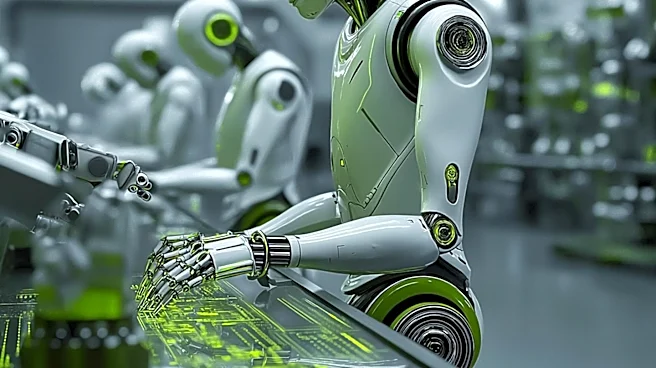
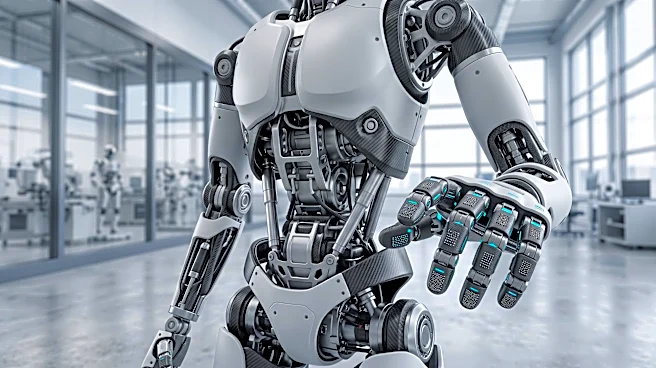
Agility Robotics, alongside other prominent Western humanoid developers such as Tesla, Figure, and Apptronik, are currently operating with a vertically integrated business model. This approach, where companies control both hardware and software development,
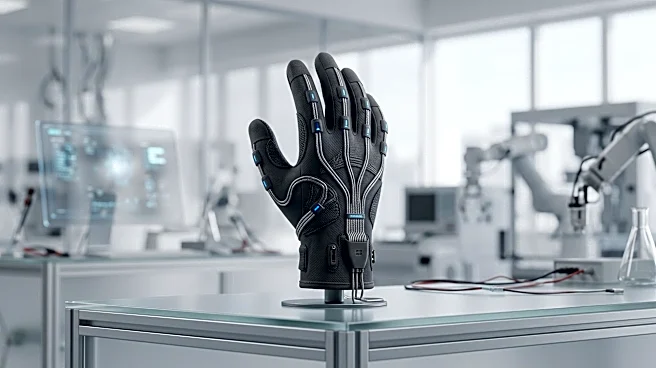
is considered a rational response to current market conditions in the robotics industry. According to L.E.K. Consulting, this integration is crucial because the most valuable data for robot performance combines robot state, forces, tactile feedback, and operator interventions, which necessitates control over both sensors and policy. Additionally, sourcing high-performance and cost-effective actuators, tactile sensors, and dexterous hands remains challenging. The humanoid robotics market is still relatively small, with approximately 19,100 units shipped globally in the first half of 2026, representing a 272% increase from the previous year, albeit from a low base. Full-year revenue for humanoid robots is estimated at $1.6 billion. While McKinsey forecasts that physical AI applications could generate over $1 trillion in economic value by 2035, the current investment landscape heavily favors robot makers and model developers, with deployment partners and component suppliers receiving significantly less funding.
Why It's Important?
The vertical integration strategy adopted by Agility Robotics and its peers is significant for the U.S. robotics industry as it highlights the current challenges and strategic responses within a nascent but rapidly growing sector. By maintaining control over both hardware and software, these companies aim to optimize data collection and robot performance, which is critical for advancing physical AI capabilities. This approach also underscores the difficulty in sourcing specialized components, suggesting potential bottlenecks or opportunities for domestic suppliers to innovate. The projected shift in value from hardware to software, deployment, and field operations, as identified by McKinsey, indicates a future where the operational data and integration expertise will become paramount. This could lead to a re-evaluation of business models, potentially favoring 'robots-as-a-service' pricing, which would impact how U.S. businesses acquire and utilize robotic solutions. The growth of humanoid robotics, even from a low base, signifies a burgeoning market with substantial long-term economic potential for the U.S., particularly in intelligent factories and general-purpose robotics.
What's Next?
The robotics industry is expected to see continued evolution in its business models and technological interfaces. While vertical integration currently dominates, there are early signs of separation, such as NVIDIA's open reference design for humanoids that distinguishes body from brain. However, the feasibility of a cross-hardware layer remains uncertain due to the potential expense of custom drivers and integration work. Future developments will be tested by milestones in less structured work environments, such as shipbuilding, where companies like HII plan proof-of-concept demonstrations for adaptive welding and autonomous surface preparation in 2026 and 2027. These pilots will be crucial in proving the deployment loop's effectiveness beyond controlled settings. Furthermore, a key indicator to watch will be the funding data: if McKinsey's forecast is accurate, investment in deployment partners, training data, and key components should begin to outpace that of robot makers. This shift would likely lead to more contracts being structured per task or outcome, reflecting a move towards value-based pricing in physical AI.
Beyond the Headlines
The strategic vertical integration in humanoid robotics, while a practical response to current market conditions, also raises deeper implications regarding data ownership and intellectual property. As field deployment becomes the richest source of insight and data, the terms of contracts between vendors and operators will need to carefully address how site data, intervention logs, and resulting model improvements are utilized. This could lead to complex legal and ethical considerations surrounding data sharing and competitive advantage. The emphasis on 'failure and intervention data' as the most valuable training material suggests a paradigm shift in how robotic systems learn and improve, moving beyond routine data to focus on critical incidents. This approach, while potentially accelerating development, also highlights the inherent risks and the necessity of human oversight in the early stages of autonomous system deployment. The long-term shift towards software and deployment value could also foster a new ecosystem of specialized service providers and integrators, potentially decentralizing some aspects of the robotics industry and creating new economic opportunities.