


What's Happening?
Skincare experts are increasingly advocating for ritualized morning and evening routines that align with the skin's natural circadian rhythms to address stressed skin. Morning routines are designed to provide barrier protection, antioxidant defense, and broad-spectrum
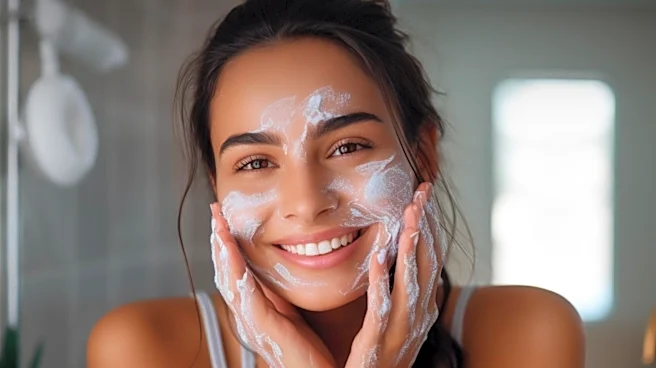
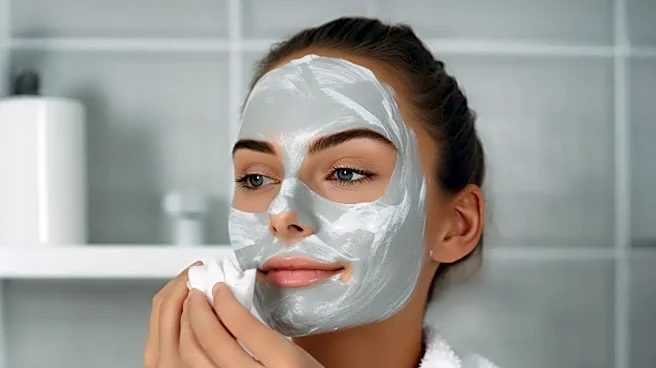
SPF to shield the skin from environmental damage. Conversely, nighttime routines focus on restorative actives, barrier-repair ingredients like ceramides, and gentle techniques such as facial massage to support overnight cellular renewal. This approach recognizes that stress triggers neuropeptide release and cortisol dysregulation, which directly compromise the skin barrier. Ingredients like niacinamide, adaptogens, and peptides are highlighted as beneficial for stressed skin in both phases, while harsh essential oils and strong exfoliants are advised against. The emphasis is on treating skincare as a sensory ritual to help regulate the stress response, which can exacerbate skin reactivity. This involves engaging tactile and olfactory pathways through consistent calming routines to potentially lower cortisol levels and improve skin texture. Evening rituals, such as warm baths or showers, body scans, and avoiding screens, are also suggested to contribute to improved well-being and skin health.
Why It's Important?
This shift in skincare philosophy is important because it moves beyond superficial product application to address the deeper physiological and neurological connections influencing skin health. By acknowledging the skin-brain axis and the impact of stress on the skin barrier, these routines offer a more holistic and effective approach to managing skin reactivity and damage. The focus on circadian rhythms ensures that products are applied when the skin is most receptive to their benefits, maximizing efficacy. For individuals experiencing chronic stress, which is prevalent in modern society, this approach provides a tangible method to mitigate its visible effects on the skin. Furthermore, the integration of sensory rituals transforms daily skincare into a self-care practice, potentially reducing overall stress levels and promoting a sense of well-being, which has broader implications for mental and physical health. This can lead to more sustainable and satisfying results for consumers, reducing the need for more aggressive treatments in the long run.
What's Next?
The trend towards neurocosmetics and circadian-aligned skincare is likely to continue growing, with more brands developing products and routines specifically designed to address the skin-brain connection and stress response. Consumers can expect to see an increase in products featuring adaptogens, ceramides, niacinamide, and peptides, along with formulations that emphasize calming textures and aromatics. Educational initiatives will likely focus on teaching consumers how to integrate sensory rituals into their daily routines, promoting mindful application and self-care practices. The skincare industry may also see further research into the precise mechanisms by which stress impacts skin at a cellular level and how specific ingredients and practices can counteract these effects. This could lead to more personalized skincare recommendations based on individual stress levels and lifestyle factors, moving beyond traditional skin type classifications.
Beyond the Headlines
The emphasis on ritualized skincare and the skin-brain axis highlights a broader cultural shift towards integrating wellness practices into daily routines. This approach acknowledges that external appearance is often a reflection of internal well-being, and that addressing stress and promoting relaxation can have profound effects on physical health, including skin condition. The concept of neurocosmetics, which designs product experiences to engage multiple senses and support the nervous system's shift towards calm, suggests a future where beauty products are not just about active ingredients but also about their therapeutic and psychological benefits. This could lead to a re-evaluation of what constitutes 'effective' skincare, moving beyond purely chemical efficacy to include the emotional and sensory experience. It also underscores the importance of a holistic lifestyle, where sleep, stress management, and mindful practices are seen as integral components of a comprehensive beauty and health regimen.