




What's Happening?
European confectionery giant Loacker has announced a new Corporate Venture Capital program, committing €1 million ($1.2 million) annually to invest in high-growth startups aimed at transforming the food ecosystem. As part of this initiative, Loacker has backed
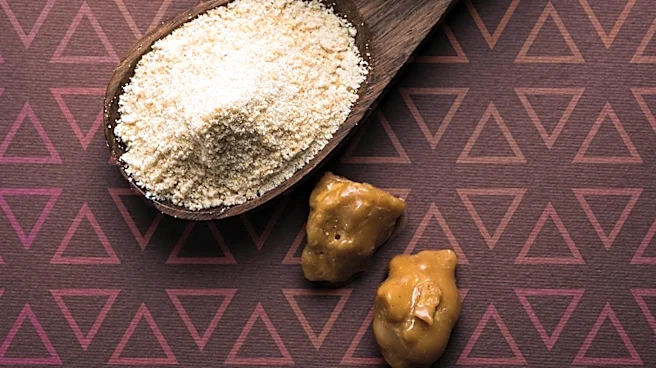
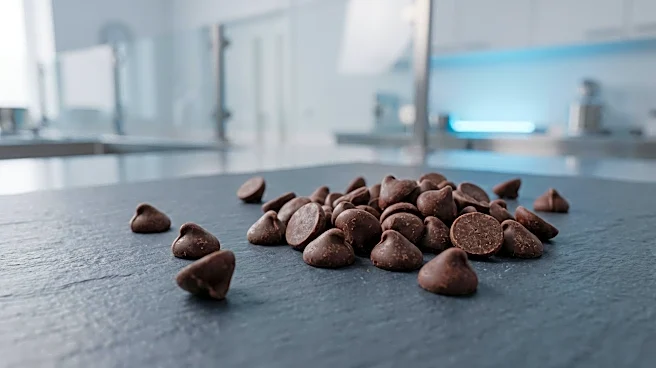
two companies: Copenhagen-based Endless Food Co. and Italian tech start-up Dr Taste. Endless Food Co. specializes in producing chocolate alternatives from upcycled ingredients such as spent grain from breweries and cacao shells, marketing its product as THIC (this isn’t chocolate) in various formats like chips and powders. Dr Taste is developing a predictive platform that utilizes market, sensory, and neuroscientific data to help food businesses understand consumer responses to products. Loacker's investment strategy focuses on key areas including pioneering natural ingredients, developing balanced nutrition without compromising taste, driving circular economy solutions, and enhancing supply chain transparency through smart data. This move reflects a growing interest among food manufacturers in alternatives to traditional chocolate, particularly cocoa-free options, as seen with Mars's recent launch of a cocoa-free trail mix in Germany.
Why It's Important?
This investment by a major European confectioner like Loacker signals a significant shift in the food industry towards sustainability and innovation, which could have ripple effects on the U.S. market. The focus on upcycled ingredients and chocolate alternatives addresses increasing consumer demand for environmentally friendly and ethically sourced products. For U.S. consumers, this could mean a wider availability of alternative chocolate products and more transparent supply chains in the future. For U.S. businesses, particularly those in the food and beverage sector, Loacker's strategy highlights the growing importance of sustainable practices and ingredient innovation. Startups in the U.S. developing similar alternative food technologies or data-driven consumer insight platforms might find increased investor interest and market opportunities. The emphasis on circular economy solutions and supply chain transparency also sets a precedent for industry standards, potentially influencing regulatory discussions and corporate social responsibility initiatives within the U.S. food industry. Companies that fail to adapt to these evolving consumer preferences and sustainable practices risk losing market share to more innovative and environmentally conscious competitors.
What's Next?
Loacker's continued annual investment of €1 million into startups suggests a sustained commitment to fostering innovation in the food sector. This could lead to further partnerships with other alternative food technology companies, potentially expanding their reach into new markets, including the U.S. The success of Endless Food Co.'s products, such as their supply to 7-Eleven stores in Denmark, could serve as a model for other alternative food companies seeking to scale their operations and enter mainstream retail channels. The development of Dr Taste's predictive platform could also influence how food businesses globally, including those in the U.S., approach product development and consumer engagement, leading to more data-driven and consumer-centric strategies. As these alternative food technologies mature and gain wider acceptance, U.S. food manufacturers may face increased pressure to innovate and offer similar sustainable options to remain competitive. The broader trend of investing in cocoa-free and alternative chocolate options is likely to continue, potentially leading to new product launches and market disruptions in the U.S. confectionery landscape.
Beyond the Headlines
Loacker's strategic investments delve deeper than mere product diversification; they represent a proactive engagement with the ethical and environmental challenges facing the global food system. The backing of companies utilizing upcycled ingredients, like Endless Food Co., addresses the critical issue of food waste and resource efficiency, promoting a more circular economy. This approach could inspire a broader re-evaluation of waste streams in the U.S. food industry, transforming what was once considered refuse into valuable inputs for new products. Furthermore, the investment in Dr Taste's neuroscientific data platform highlights a growing trend towards understanding consumer behavior at a more granular, psychological level. This could lead to more personalized and effective product development, but also raises ethical considerations regarding data privacy and the potential for manipulative marketing practices. The broader implication is a shift towards a food industry that is not only sustainable and innovative but also deeply attuned to consumer psychology, potentially reshaping dietary habits and consumption patterns in the long term. This move also underscores the increasing importance of corporate venture capital as a mechanism for established companies to drive innovation and adapt to rapidly changing market dynamics, fostering a symbiotic relationship between large corporations and agile startups.