
What's Happening?
The halal food industry is increasingly focusing on the global sourcing of ingredients and robust certification processes to ensure product integrity. Halal food can originate from various facilities worldwide,
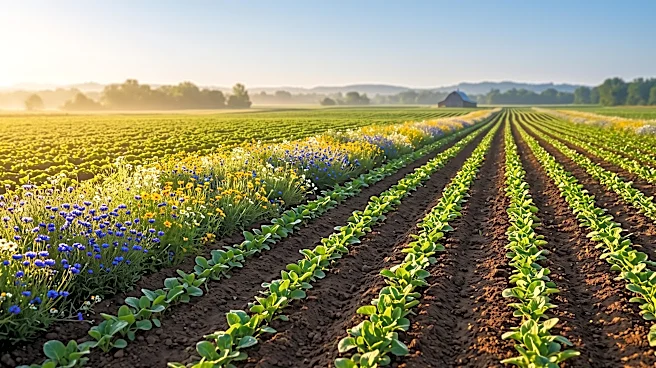
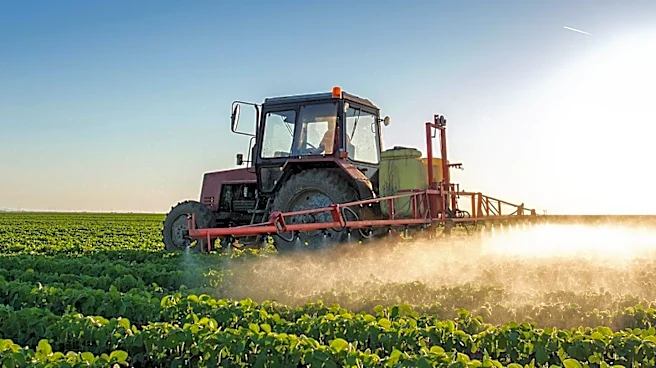
including farms, meat processors, dairy plants, and ingredient manufacturers. The critical factor for halal status is not the country of origin, but rather the ingredients used, their production methods, sourcing, and the maintenance of halal integrity throughout manufacturing, storage, and transportation. For food businesses, halal compliance begins with thorough purchasing and supplier approval. This involves collecting detailed information on ingredients, their origin, materials used, and any changes during production. Key documents include product specifications, certificates of analysis, technical data sheets, and halal certificates. The American Halal Foundation (AHF) emphasizes that ingredient sourcing, processing, cleaning, handling, and storage are all crucial aspects of halal food certification requirements.
Why It's Important?
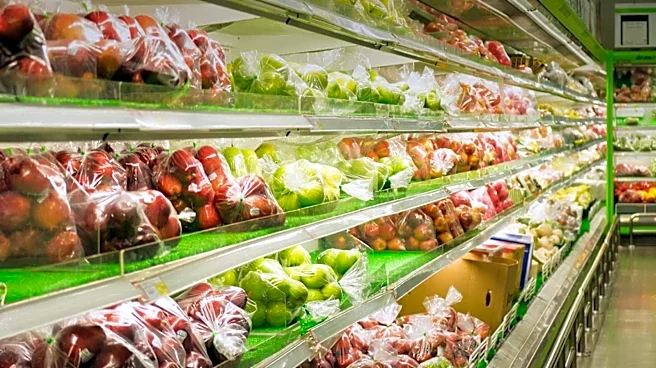
This emphasis on comprehensive sourcing and certification is vital for the U.S. halal food market, which serves a growing Muslim consumer base. Ensuring halal integrity across a global supply chain builds consumer trust and expands market access for U.S. businesses. For manufacturers, it means navigating complex international regulations and establishing rigorous internal controls to prevent cross-contamination, especially when facilities handle both halal and non-halal products. The need for detailed documentation and supplier verification reduces risks associated with non-compliant ingredients, which can lead to costly product recalls and reputational damage. This trend also drives demand for specialized halal certification services and expertise in supply chain management, creating opportunities for businesses that can demonstrate adherence to strict halal standards. Ultimately, it supports the growth of a transparent and reliable halal food ecosystem within the U.S. and globally.
What's Next?
The halal food industry will likely continue to strengthen its focus on supplier verification and traceability. Companies will need to implement more sophisticated systems to track ingredients from their raw material stage through to the finished product, especially for high-risk ingredients like gelatin, enzymes, and flavors. There will be an increased demand for clear communication between purchasing, quality, and halal compliance teams to manage changes in formulations, production facilities, or raw material sources. Halal certification bodies will play an even more critical role in providing structured systems for reviewing supply chains, including production flows, cleaning procedures, storage controls, and labeling. Consumers will increasingly rely on recognized halal certification marks to verify product authenticity. This will push more food businesses to seek and maintain halal certification to remain competitive and meet consumer expectations in the U.S. market.
Beyond the Headlines
The meticulous requirements for halal food sourcing and certification extend beyond mere religious compliance, touching upon broader ethical and quality control dimensions. The emphasis on ingredient origin, production methods, and supply chain integrity aligns with growing consumer demand for transparency and ethical sourcing in the general food market. This could influence non-halal food sectors to adopt similar rigorous verification processes, particularly concerning animal welfare, environmental impact, and ingredient authenticity. The need for detailed documentation and continuous monitoring of suppliers also highlights the vulnerabilities of global supply chains and the importance of robust quality management systems. Furthermore, the concept of 'halal integrity' during manufacturing and transportation underscores the significance of preventing contamination and maintaining product purity, which has implications for food safety standards across the board. This holistic approach to food production, driven by religious principles, offers a model for enhanced accountability and consumer confidence in the wider food industry.