



What's Happening?
The haptic motors market is undergoing a significant transformation due to advancements in artificial intelligence (AI) and automation technologies. This shift is driven by the increasing demand for more immersive and responsive user experiences across
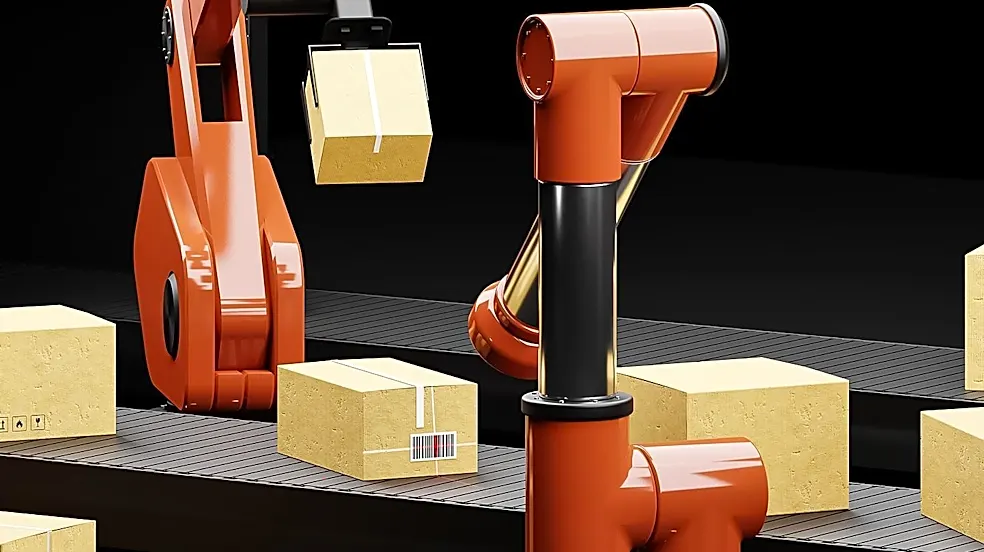
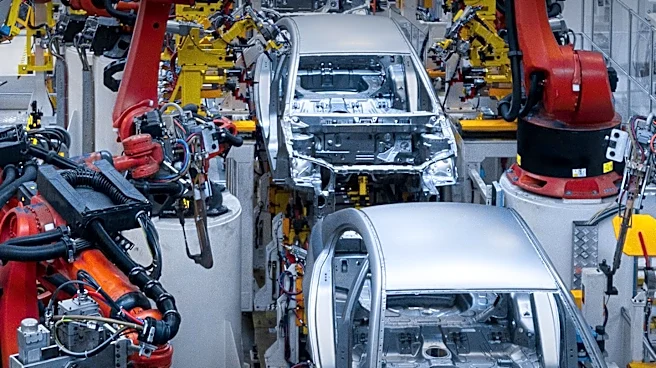
various industries, including consumer electronics, automotive, healthcare, and gaming. AI-powered control systems are enabling real-time adaptation of haptic feedback based on user behavior, environmental context, and device interactions, moving beyond traditional predefined vibration patterns. Machine learning algorithms analyze vast amounts of data to optimize haptic responses dynamically, leading to more nuanced and precise tactile sensations. Concurrently, automation in manufacturing processes, such as automated assembly lines and precision machining, is enhancing production efficiency, reducing costs, and improving consistency and reliability in haptic motor production. This dual advancement in AI control and automated manufacturing is accelerating innovation cycles and opening new avenues for customized solutions in the haptic motors market.
Why It's Important?
This evolution is critical for U.S. industries as it directly impacts product differentiation and innovation across multiple high-value sectors. The ability of AI to personalize user experiences, such as calibrating haptic feedback to individual patient needs in healthcare devices or providing context-aware alerts in automotive interfaces, significantly enhances product value and user engagement. For manufacturers, automation in production allows for the creation of high-quality, miniaturized haptic components at scale, reducing costs and speeding up time-to-market. This competitive edge is vital in a rapidly evolving technological landscape. As haptic applications expand into new areas like virtual reality and remote diagnostics, companies that leverage AI and automation will be better positioned to meet evolving customer expectations and unlock new growth opportunities, ensuring their relevance and profitability in the global market.
What's Next?
The haptic motors market is expected to continue its growth trajectory, with further advancements in AI enabling even more sophisticated and personalized tactile sensations. Automation will further streamline production, allowing for rapid innovation and deployment of complex haptic solutions. Emerging applications, such as tactile internet, remote robotics, and advanced prosthetics, are anticipated to create new revenue streams. Companies will likely focus on investing in AI-driven design, flexible manufacturing, and strategic collaborations between AI software developers and hardware manufacturers to deliver integrated solutions. Addressing challenges such as ensuring the reliability and safety of AI-controlled systems, managing high initial investment costs for automation, and mitigating supply chain disruptions will be crucial for sustained growth and market leadership.
Beyond the Headlines
Beyond the immediate market implications, the integration of AI and automation in haptic motors points to a broader trend of human-computer interaction becoming increasingly tactile and intuitive. This could lead to significant changes in how we interact with technology, making digital experiences feel more natural and immersive. The ethical implications of highly personalized haptic feedback, particularly in sensitive applications like healthcare, will require careful consideration to ensure user privacy and prevent potential misuse. Furthermore, the demand for specialized skills in AI, robotics, and advanced manufacturing will likely increase, necessitating educational and workforce development initiatives to prepare for these evolving technological demands. This shift could fundamentally alter user expectations for device interaction, pushing the boundaries of what is considered a 'responsive' and 'immersive' digital experience.