






What's Happening?
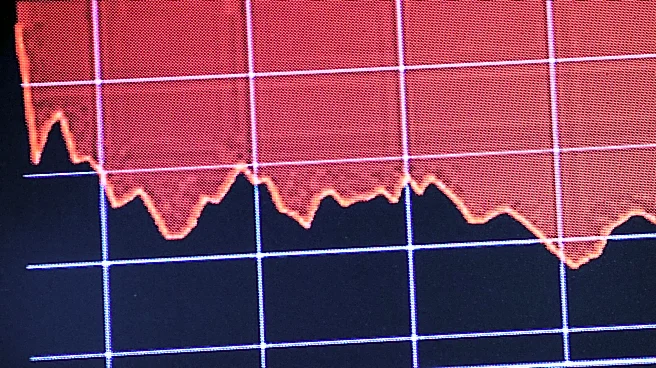
Advanced Micro Devices (AMD), a Santa Clara-based semiconductor designer, saw its stock decline by 0.11% to $405.60 in a shortened post-Thanksgiving trading session. This marginal dip followed an initial surge of approximately 3.5% that later evaporated.
The session was characterized by a struggle between a sector-wide relief rally and ongoing valuation and dilution concerns that have affected AMD shares throughout the month. There was no specific company-related shock driving the decline. A significant factor contributing to investor caution is a November 23 shelf registration for up to 336,934,324 shares for resale, representing about 20% of the 1.66 billion outstanding shares. These shares are primarily linked to warrants granted to OpenAI and another holder, vesting against Instinct GPU purchase milestones and stock-price hurdles. Although AMD receives no proceeds from this filing, investors perceive it as a potential cap on future stock rallies. Additionally, several law firms have initiated securities investigations following the stock's recent slide.
Why It's Important?
The slight decline in AMD's stock, despite a broader sector rally, highlights persistent investor concerns regarding valuation and potential dilution. As a major player in high-performance processors for data centers and consumer computing, AMD's stock performance can influence the broader semiconductor industry and investor sentiment towards technology stocks. The shelf registration for a substantial number of shares, even if not directly selling stock, creates an overhang that could limit upward price movement by increasing the supply of shares in the market. This situation could impact the company's ability to attract new investors or maintain its current valuation. Furthermore, the initiation of securities investigations by law firms adds a layer of uncertainty and potential legal risk, which could deter investors and affect the company's reputation. The performance of companies like AMD is crucial for the U.S. technology sector, as they are at the forefront of innovation in areas like AI accelerators and server processors, which are vital for economic growth and technological advancement.
What's Next?
The next significant event for AMD is its fourth-quarter report, scheduled for February 2, 2027. This report will provide updated financial performance figures, following a strong third quarter that saw $13.4 billion in revenue and a 97% increase in data-center sales. Management has projected further acceleration in Helios rack-scale ramps, which will be closely watched by investors. Before this report, the market will be monitoring several key events, including Jensen Huang's congressional testimony on export controls, Marvell's results on December 2, the December 9 FOMC decision, and the December 10 CPI print. These broader economic and regulatory developments could influence the semiconductor sector and AMD's stock. Analyst sentiment remains largely constructive, with a 'Strong Buy' consensus, but risks such as tighter export rules, questions about AI capital-spending returns, and the ongoing legal inquiries will continue to be factors influencing the stock's trajectory.
Beyond the Headlines
The situation with AMD extends beyond immediate stock fluctuations, touching upon broader themes within the technology and financial sectors. The dilution overhang from the shelf registration, tied to warrants granted to entities like OpenAI, underscores the complex financial arrangements and strategic partnerships prevalent in the high-tech industry. These agreements, while potentially beneficial for long-term growth and market penetration, can introduce short-term volatility and investor apprehension. The ongoing securities investigations highlight the increased scrutiny faced by major corporations, particularly in dynamic and high-growth sectors like semiconductors, where rapid changes in valuation can trigger legal challenges. This scenario also reflects the delicate balance between fostering innovation through strategic partnerships and managing investor expectations and potential dilution. The broader context of export controls, particularly concerning advanced AI processors, points to geopolitical influences on the U.S. technology industry, where regulatory decisions can significantly impact market access and revenue streams for companies like AMD.