





What's Happening?
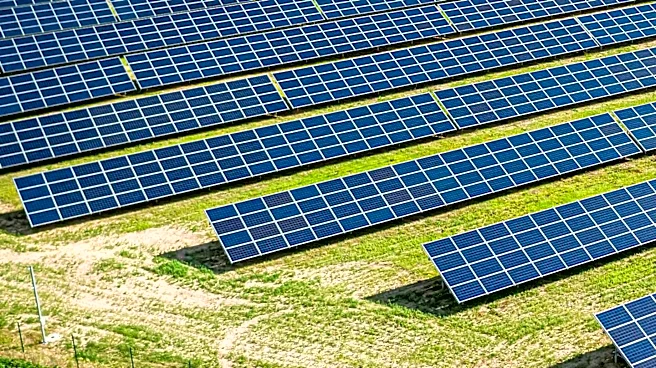
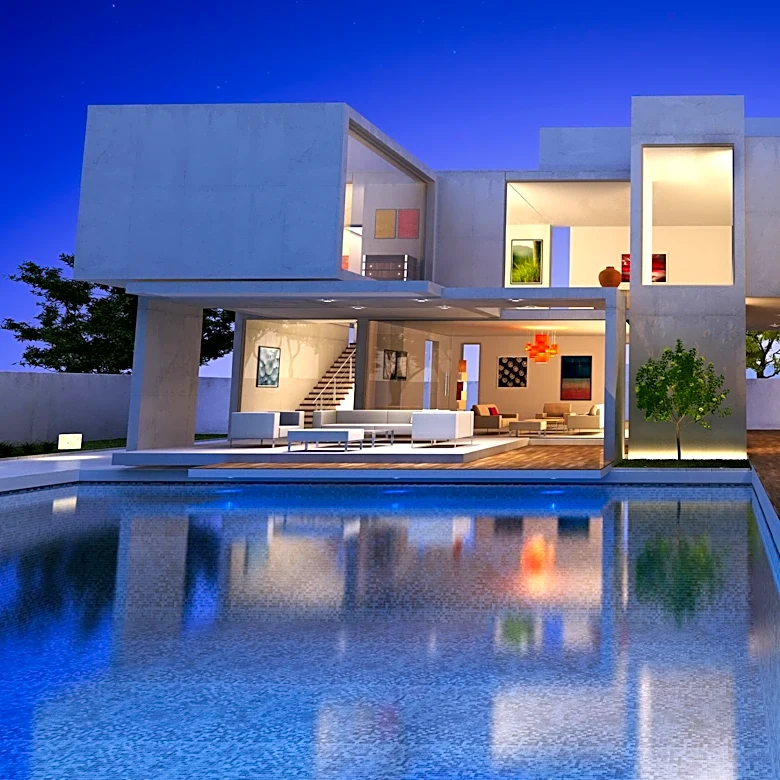
Actor Woody Harrelson's residence in Hawaii exemplifies a net-zero energy home, producing as much energy as it consumes. The house integrates several eco-friendly features, including rooftop solar panels for electricity generation and a comprehensive
rainwater harvesting system. This system collects and stores rainwater for non-potable uses such as irrigation, significantly reducing reliance on conventional water supplies. Additionally, the home utilizes a grey water system, which treats wastewater from sinks, showers, and washing machines for irrigation purposes. Advanced technologies are employed to monitor and regulate energy consumption, with a smart energy system that tracks real-time usage and adjusts solar panel output for optimal efficiency. The construction also prioritizes sustainable and non-toxic materials like reclaimed wood, bamboo, and natural fibers, coupled with high-R-value insulation to minimize heat transfer and energy use. These combined efforts aim to reduce the home's carbon footprint and promote environmental conservation.
Why It's Important?
Woody Harrelson's sustainable home serves as a significant model for eco-friendly living and advanced residential sustainability in the U.S. It demonstrates the practical application of net-zero energy concepts, showcasing how integrated systems like solar power, rainwater harvesting, and grey water recycling can drastically reduce environmental impact and utility costs. This initiative highlights the potential for homeowners to adopt similar technologies, contributing to broader energy independence and water conservation efforts across the nation. The use of sustainable building materials also promotes a healthier living environment and supports industries focused on eco-conscious construction. As climate change concerns grow, such examples can inspire innovation in residential development, influencing building codes, consumer demand for green homes, and investment in renewable energy infrastructure. The project underscores the feasibility of achieving a harmonious balance between modern living and environmental stewardship.
Beyond the Headlines
The design and functionality of Harrelson's home extend beyond mere energy efficiency, touching upon deeper philosophical and ethical considerations regarding human interaction with the environment. His wife, Leslie Harrelson, noted their inspiration from the Greek concept of 'biotopos,' emphasizing a harmonious relationship between humans and nature. This approach suggests a shift from simply minimizing harm to actively integrating living spaces within ecological systems. The home's comprehensive water management, including blackwater treatment and composting systems, reflects a closed-loop resource model that challenges conventional waste disposal paradigms. Such holistic designs could influence future architectural trends, promoting homes that are not just energy-efficient but also self-sufficient and regenerative. This model encourages a re-evaluation of resource consumption and waste generation in residential settings, potentially fostering a cultural shift towards more responsible and integrated living practices.