







What's Happening?
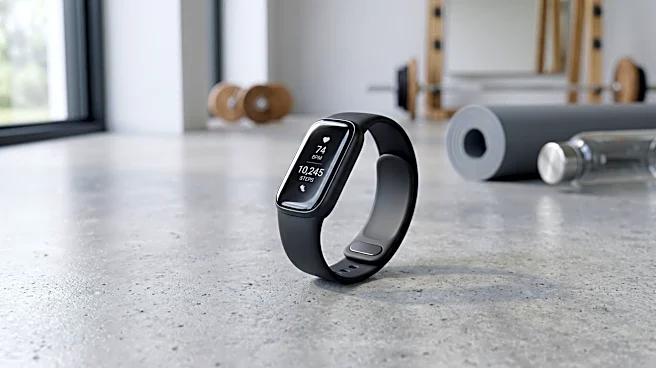
Searches for 'best fitness tracker without subscription' have surged over 600% in the past year, indicating a growing consumer aversion to recurring monthly fees for health data access. Many fitness tracker brands, including Xiaomi, JCVital, Amazfit,
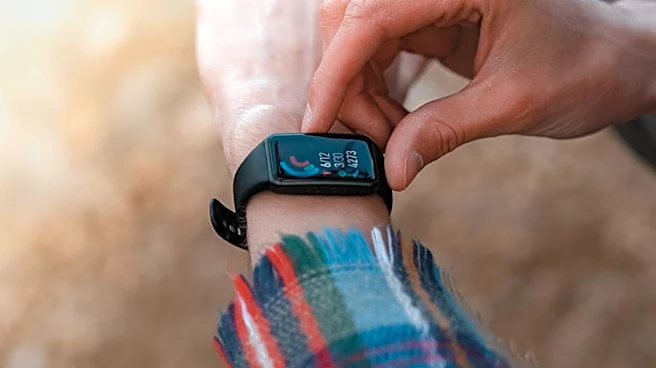
and Garmin, offer devices that provide core health and activity data without requiring a premium subscription. These trackers typically offer features such as heart rate monitoring, heart rate variability (HRV), blood oxygen levels (SpO2), and sleep tracking. While some brands like Fitbit offer optional premium plans for deeper insights and AI coaching, their basic tracking functionalities remain free. The market is seeing a variety of options, from budget-friendly bands like the Xiaomi Smart Band 10 at $49.99 to more advanced trackers with built-in GPS like the Amazfit Active 2 for $99.99, all emphasizing no mandatory subscription fees for essential data.
Why It's Important?
The shift towards subscription-free fitness trackers reflects a significant change in consumer expectations within the U.S. health and wellness technology market. Consumers are increasingly unwilling to pay ongoing fees for data they believe should be inherently accessible after purchasing a device. This trend could pressure companies that rely heavily on subscription models, such as Whoop, to re-evaluate their pricing strategies or risk losing market share. For consumers, it means greater transparency in costs and more control over their personal health data without hidden charges. The availability of affordable, subscription-free options democratizes access to health monitoring, potentially leading to broader adoption of fitness tracking among different socioeconomic groups and fostering a more competitive landscape among device manufacturers.
What's Next?
The increasing demand for subscription-free fitness trackers is likely to drive innovation in device capabilities and pricing models. Manufacturers may focus on enhancing the free features of their apps, integrating more advanced health metrics like skin temperature trends without additional costs, and ensuring seamless data export to platforms like Apple Health or Health Connect. Companies currently relying on subscription revenue might explore hybrid models, offering basic features for free while reserving highly specialized coaching or analytics for premium tiers. This trend could also lead to a clearer distinction between basic fitness trackers and full-fledged smartwatches, with the former emphasizing cost-effectiveness and data ownership, and the latter focusing on comprehensive connectivity and app ecosystems.
Beyond the Headlines
This consumer-driven push against subscription models for fitness data highlights a broader ethical and economic debate about data ownership and access. As personal health data becomes increasingly valuable, the expectation that users should pay to access their own generated information is being challenged. This movement could set a precedent for other technology sectors where data access is increasingly monetized. It also underscores the importance of transparency in product offerings, as consumers are becoming more vigilant about hidden costs and long-term financial commitments. The success of subscription-free models could encourage a re-evaluation of 'freemium' strategies across various digital services, emphasizing user control and upfront value over continuous revenue extraction.