






What's Happening?
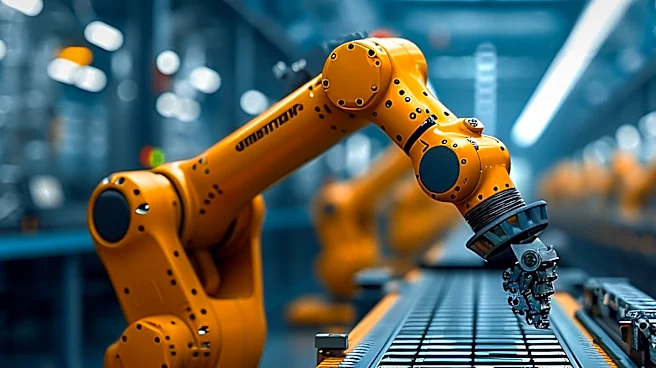
Yuyu Pharmaceutical's factory in Bio Valley, Jecheon-si, Chungcheongbuk-do, has implemented artificial intelligence (AI) and robotics to automate seven processes within its prescription omega-3 packaging line. This initiative, which began with the introduction
of robots for individual packaging in January and expanded to secondary packaging in August through a demonstration project for advanced manufacturing robots, aims to significantly enhance efficiency. The factory, originally built in 2006, required two months for autonomous mobile robots (AMRs) to learn navigation due to narrow passages. The company's decision to automate stems from the high demand for omega-3 products, which account for approximately 30% of its sales, and the challenge of finding additional workers to manage increasing production volumes. The automation has already reduced the number of employees required for packaging from four to two, with the freed-up personnel reallocated to other processes. Additionally, Yuyu Pharmaceutical has established a dedicated AI team to empower employees to develop programs for process improvement, such as an AI-assisted system for screening packaged medicine weight for defects.
Why It's Important?
This strategic move by Yuyu Pharmaceutical highlights a growing trend in the pharmaceutical manufacturing sector towards automation and AI integration to address labor shortages and boost productivity. By increasing the amount one worker processes per hour from 313 to 834 and aiming to lower the secondary packaging defect rate from 0.4% to 0.2%, the company is setting a precedent for operational efficiency. The reallocation of employees from repetitive packaging tasks to other areas requiring human oversight demonstrates how automation can optimize workforce utilization rather than simply replacing jobs. Furthermore, the company's approach of empowering on-site employees to develop AI-assisted programs fosters innovation from within, allowing for tailored solutions that directly address specific operational challenges and can be adapted as regulations or needs change. This model could serve as a blueprint for other industries facing similar pressures to enhance output and quality while managing labor resources effectively.
What's Next?
Yuyu Pharmaceutical plans to continue its digital transformation by establishing a system where AI will proactively identify abnormal signs in the production process by linking manufacturing records and quality test results. This will further enhance quality control and predictive maintenance capabilities. The company also aims to expand its operations from next year, following three years focused on improving profitability. A new product team has been established to identify items that will drive sales in the next three to five years, including health functional foods for companion animals, which have already begun overseas sales. Additionally, the company is investing in sustainable practices, with solar panels installed on its logistics building, civil service building, and employee soccer fields, aiming to generate approximately 31% of the factory's electricity needs, which is projected to save about 130 million won in electricity costs annually.
Beyond the Headlines
The integration of AI and robotics at Yuyu Pharmaceutical's Jecheon plant signifies a broader shift in manufacturing towards 'smart factories' where human-machine collaboration is central. This development not only addresses immediate operational challenges like labor scarcity and efficiency but also raises questions about the evolving skill sets required for the future workforce. The emphasis on empowering employees to develop AI programs suggests a move towards a more decentralized and agile approach to technological adoption, where domain expertise is combined with AI tools to create highly specific and effective solutions. This could lead to a redefinition of roles within manufacturing, with a greater focus on problem-solving, data analysis, and system optimization. The company's commitment to sustainability through solar energy also reflects a growing corporate responsibility trend, where operational efficiency is balanced with environmental stewardship, potentially influencing industry standards for green manufacturing practices.