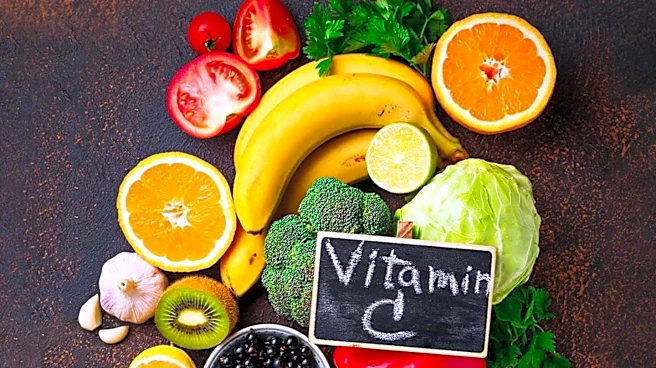









What's Happening?
Recent research published in PLOS One suggests that higher blood levels of vitamin C are associated with healthier brain structures in older adults. The study analyzed blood samples and MRI scans from 2,044 participants, finding that those with elevated
vitamin C levels had greater gray matter volume and better connectivity in the brain's default mode network. These findings were consistent even after adjusting for variables such as age, sex, and lifestyle factors. Dr. Alexander Y. Zubkov, a board-certified integrative neurologist, explains that gray matter is crucial for cognitive functions like memory and decision-making, and its preservation is linked to long-term brain health. The study also highlights vitamin C's role as a key antioxidant, protecting brain cells from damage and aiding in neurotransmitter production.
Why It's Important?
The study underscores the potential of vitamin C as a non-invasive means to support brain health, particularly in aging populations. As gray matter loss is associated with conditions like Alzheimer's and depression, maintaining its volume could mitigate these risks. The findings suggest that a diet rich in vitamin C could be a practical approach to preserving cognitive function, offering a preventive strategy against neurodegenerative diseases. This research could influence dietary recommendations and public health policies aimed at improving brain health through nutrition. It also opens avenues for further studies to explore vitamin C's efficacy in clinical settings.
What's Next?
Future research may focus on clinical trials to establish a causal relationship between vitamin C intake and brain health improvements. Such studies could lead to the development of dietary guidelines or supplements specifically targeting cognitive preservation. Additionally, public health campaigns might emphasize the importance of vitamin C-rich diets as part of a holistic approach to aging healthily. Researchers may also investigate the synergistic effects of vitamin C with other nutrients and lifestyle factors in promoting brain health.
Beyond the Headlines
The study highlights a broader trend towards understanding the role of nutrition in mental health and cognitive aging. It raises questions about the accessibility of vitamin C-rich foods and the potential socioeconomic barriers to achieving optimal dietary intake. Furthermore, it prompts ethical considerations regarding the promotion of supplements versus whole foods, as well as the environmental impact of increased demand for vitamin C-rich produce.