





What's Happening?
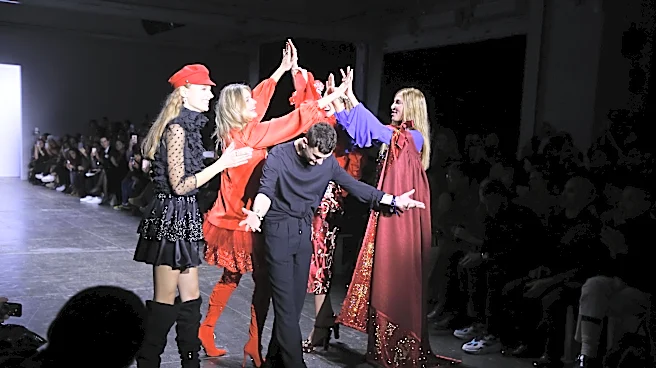
Lagos Fashion Week recently concluded, drawing approximately 16,000 attendees to the Federal Palace Hotel to showcase the collections of around 60 African designers. The vast majority of attendees were from Nigeria and neighboring African countries, with
only a small percentage being buyers. International buyers from major fashion hubs were notably scarce, a recurring trend attributed to factors such as distance and visa requirements. However, some buyers, including representatives from the US-based retailer Moda Operandi in 2024, have expressed interest in emerging African talent. This season, buyers observed a significant shift in the collections, with designers increasingly focusing on creating cohesive lines tailored to client needs and wearability. Arinola Fagbemi, a buyer at Lagos-based concept store Alara, noted this as the most cohesive year she has experienced at Lagos Fashion Week. A new initiative this year included a showroom hosted by Alara in partnership with Lagos Fashion Week, allowing buyers to inspect garments in person for finishing, texture, and weight.
Why It's Important?
The evolving focus at Lagos Fashion Week highlights a strategic pivot for African fashion brands towards building robust direct-to-consumer businesses and securing strong retail partnerships. The limited presence of international buyers underscores the challenges African designers face in accessing global markets, making direct sales and local retail crucial for financial viability. This shift indicates a growing maturity in the African fashion industry, where designers are becoming more attuned to market demands and client preferences, prioritizing wearability and quality. For US-based retailers like Moda Operandi, the event remains a valuable scouting ground for emerging talent, suggesting potential future collaborations and increased visibility for African designers in the American market. The emphasis on quality and client-centric design could enhance the global competitiveness of African fashion, even as it navigates logistical and geographical hurdles.
What's Next?
African fashion brands are expected to continue refining their direct-to-consumer strategies and strengthening local retail partnerships to ensure financial sustainability. The success of initiatives like the showroom at Lagos Fashion Week may lead to more structured platforms for buyers to engage with designers, potentially attracting a wider range of international retailers in the future. Designers will likely further concentrate on producing high-quality, wearable collections that meet discerning client expectations, regardless of geographical origin. Continued efforts to streamline logistics and address visa challenges could also facilitate greater international buyer participation in subsequent fashion weeks. The industry's focus on balancing brand buzz with tangible sales impact suggests a more business-oriented approach moving forward.
Beyond the Headlines
The shift in focus at Lagos Fashion Week reflects a broader trend in the global fashion industry towards localization and direct engagement with consumers, particularly in emerging markets. This development challenges the traditional fashion week model, which often relies heavily on international buyers and media attention. For African designers, it signifies a move towards greater self-reliance and the cultivation of a strong domestic and regional market base. Ethically, it promotes sustainable business practices by encouraging designers to build lasting relationships with their clientele rather than solely chasing fleeting international trends. This evolution could also foster a unique aesthetic identity for African fashion that is less influenced by Western trends and more rooted in local tastes and craftsmanship, potentially leading to a more diverse and authentic global fashion landscape.