



What's Happening?
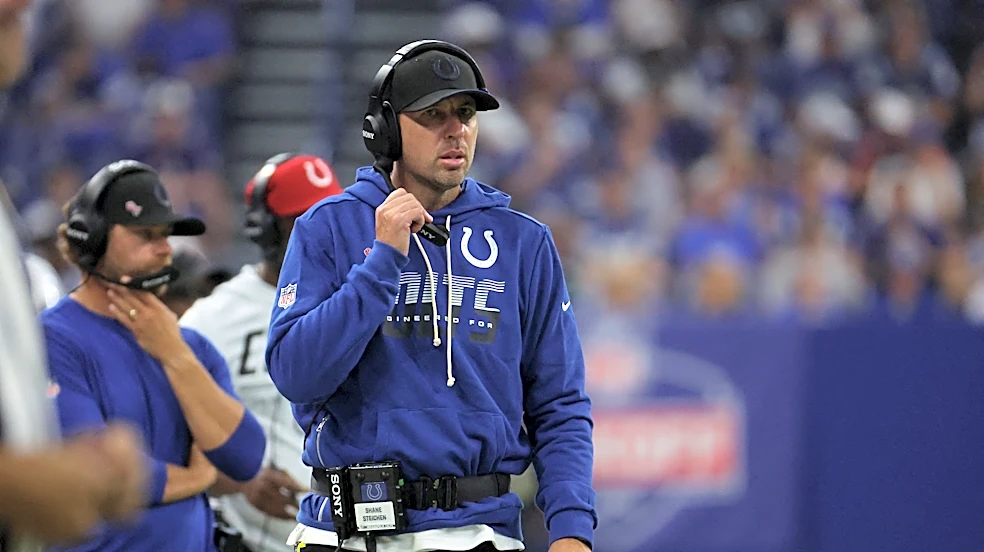
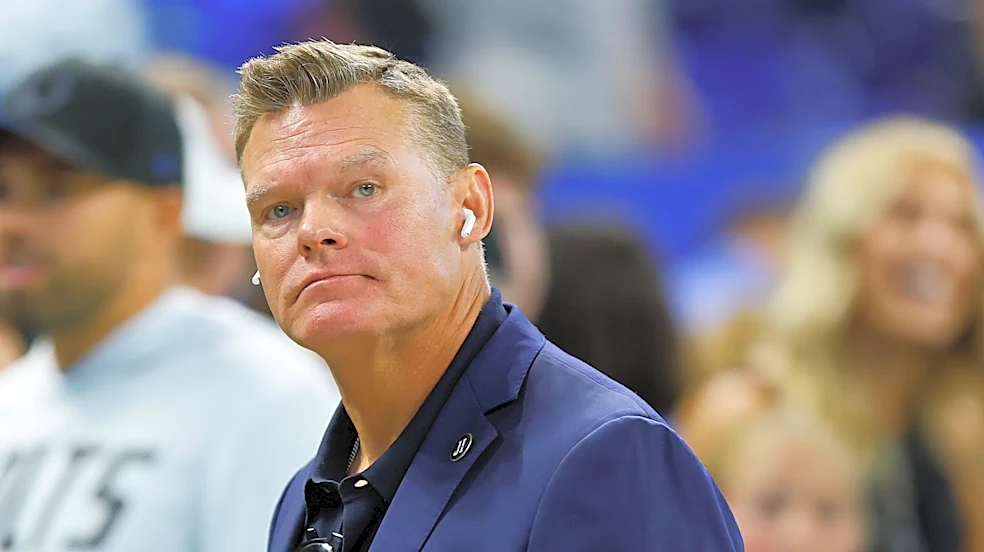
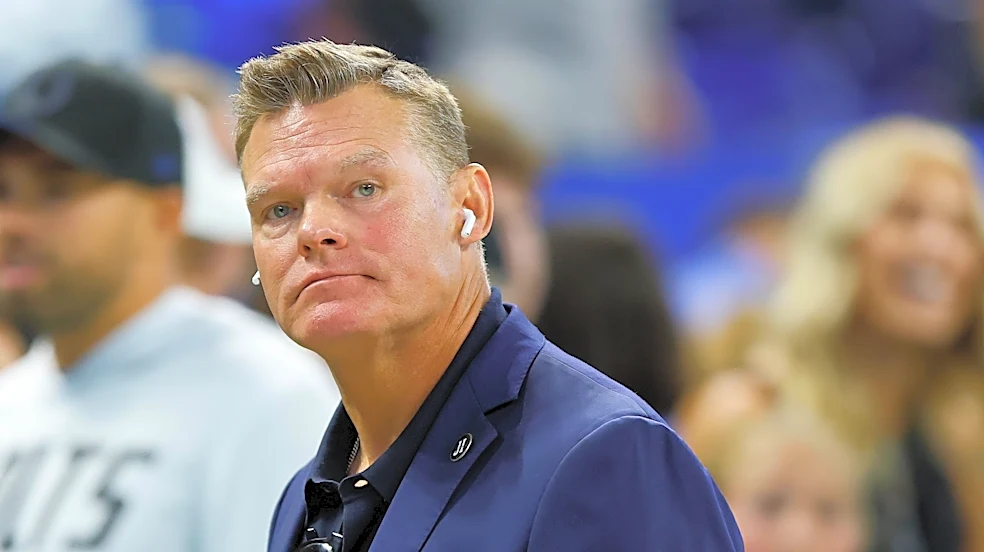
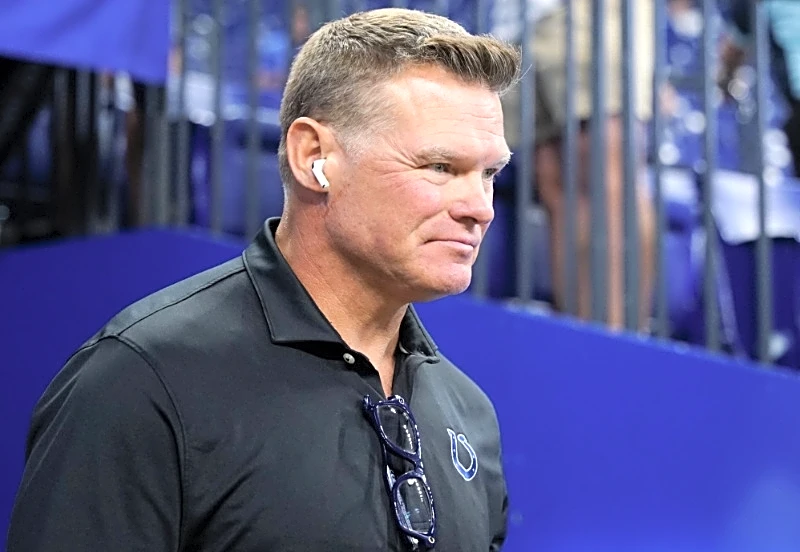
The Indianapolis Colts have officially fired General Manager Chris Ballard following the team's 26-20 loss to the Tennessee Titans, which dropped their record to 2-4. Owner/CEO Carlie Irsay-Gordon made the announcement on Monday. Ballard had served as
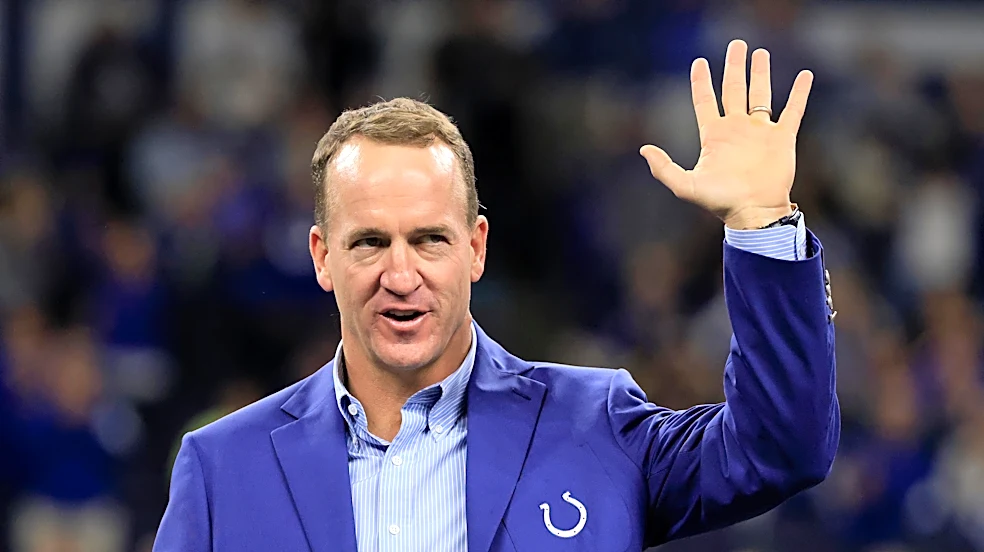
the general manager for nearly a decade, during which the team made two playoff appearances but failed to secure any division titles. The decision comes after a period of what has been described as mediocrity, despite Ballard's efforts to bring talented players to the roster. The organization is now seeking a fresh perspective and aims to find a new general manager who can combine strong player evaluation with a modern, analytics-driven approach. Several candidates are being considered, including Adam Berry of the Philadelphia Eagles, Glenn Cook of the Cleveland Browns, James Liipfert of the Houston Texans, John McKay of the Los Angeles Rams, and Ray Agnew of the Detroit Lions. There is also speculation about former Colts quarterback Peyton Manning potentially being considered for a leadership role, possibly with an ownership stake.
Why It's Important?
This change in leadership for the Indianapolis Colts signifies a pivotal moment for the franchise, aiming to reverse a trend of underperformance despite significant talent acquisitions. The decision to move on from Chris Ballard, after nearly a decade, underscores the high stakes and expectations within professional sports, where consistent playoff success and division titles are benchmarks for leadership effectiveness. The search for a new general manager who can integrate analytics with traditional player evaluation reflects a broader trend in professional sports towards data-driven decision-making to optimize roster construction and on-field performance. The potential involvement of a franchise legend like Peyton Manning could dramatically alter the team's trajectory, not just in terms of football operations but also in fan engagement and brand appeal, given his deep ties and iconic status within the organization and the league. This move will influence the team's strategic direction, player personnel decisions, and overall competitiveness in the AFC South.
What's Next?
The Indianapolis Colts will immediately begin the search for a new general manager, with Owner/CEO Carlie Irsay-Gordon facing a critical decision for the franchise's future. The team is expected to prioritize candidates who can bring a fresh perspective, combining strong player evaluation skills with an analytics-driven approach. Potential candidates include Adam Berry (Philadelphia Eagles), known for his analytical background; Glenn Cook (Cleveland Browns) and James Liipfert (Houston Texans), both recognized for their scouting and front-office experience; John McKay (Los Angeles Rams), who has a long tenure in player evaluation; and Ray Agnew (Detroit Lions), credited with helping build a strong roster. A significant development to watch is the potential involvement of Peyton Manning, with reports suggesting the Colts may approach him for a general manager role, possibly including an ownership stake. The new general manager will be tasked with overhauling the team's strategy to achieve consistent success and end the decade-long drought of division titles.
Beyond the Headlines
The firing of Chris Ballard and the subsequent search for a new general manager for the Indianapolis Colts highlight the intense pressure and short leash often associated with leadership roles in professional sports, even for those who bring in significant talent. The emphasis on an 'analytics-driven approach' for the next GM reflects a broader philosophical shift in sports management, moving beyond traditional scouting to incorporate advanced data science in player evaluation, contract negotiations, and roster construction. This trend suggests a growing reliance on quantitative methods to gain a competitive edge, potentially reshaping how NFL teams are built and managed. Furthermore, the speculation surrounding Peyton Manning's potential return in a leadership capacity, possibly with an ownership stake, points to a growing trend of former star athletes transitioning into executive roles within their former organizations. Such a move could leverage his deep football IQ and brand power, but also raises questions about the transition from player to executive and the unique challenges of managing a franchise from the top.